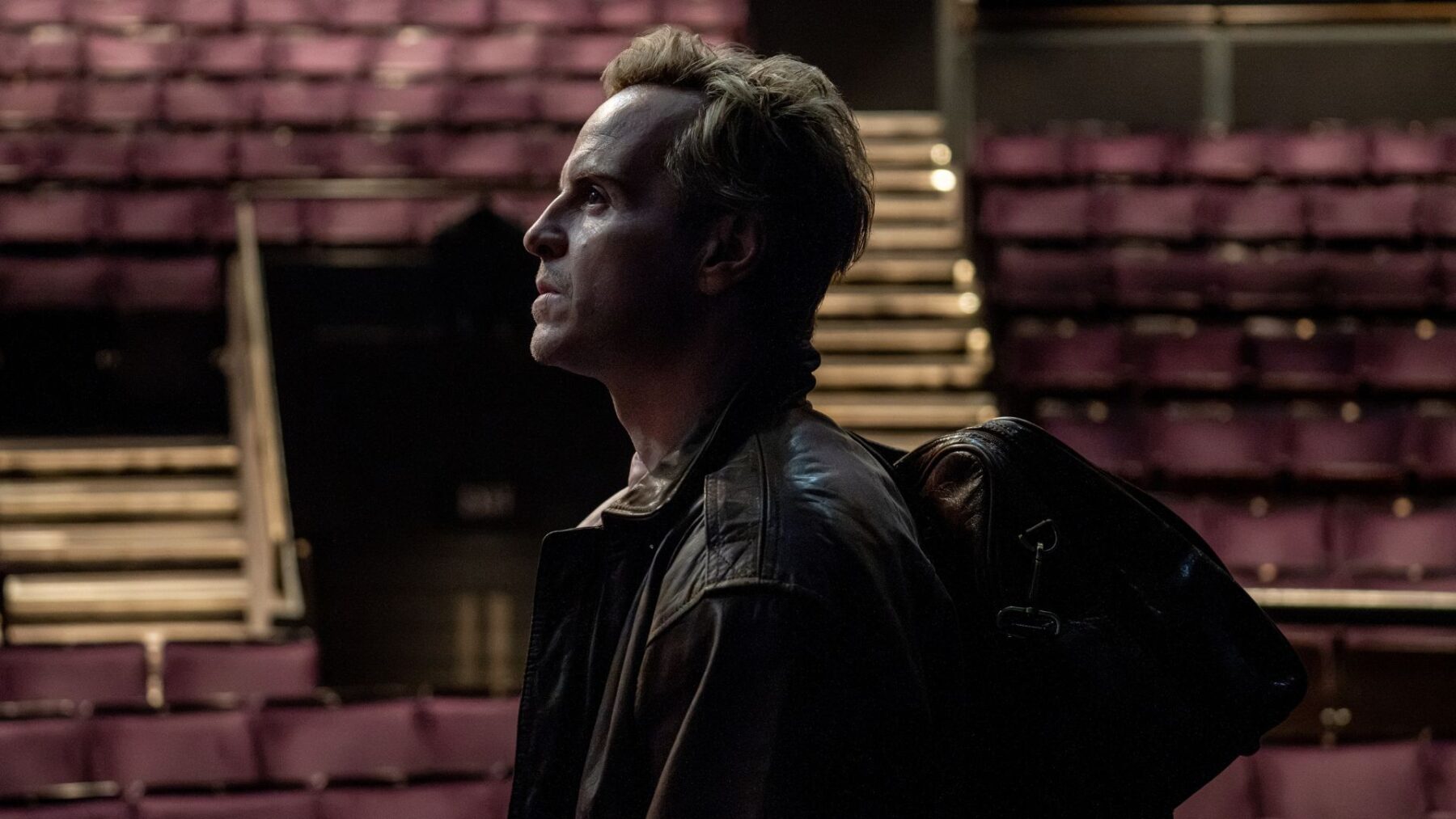
CLOSE MY EYES
Wielka Brytania
109’
W repertuarze

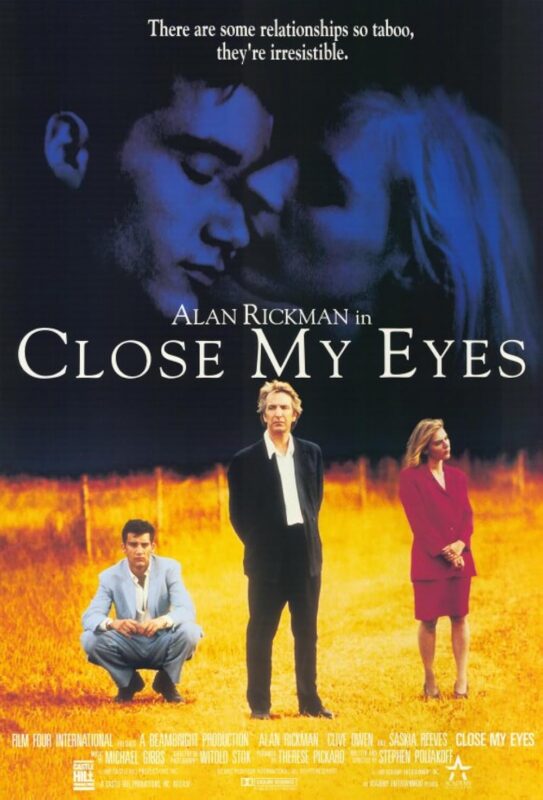
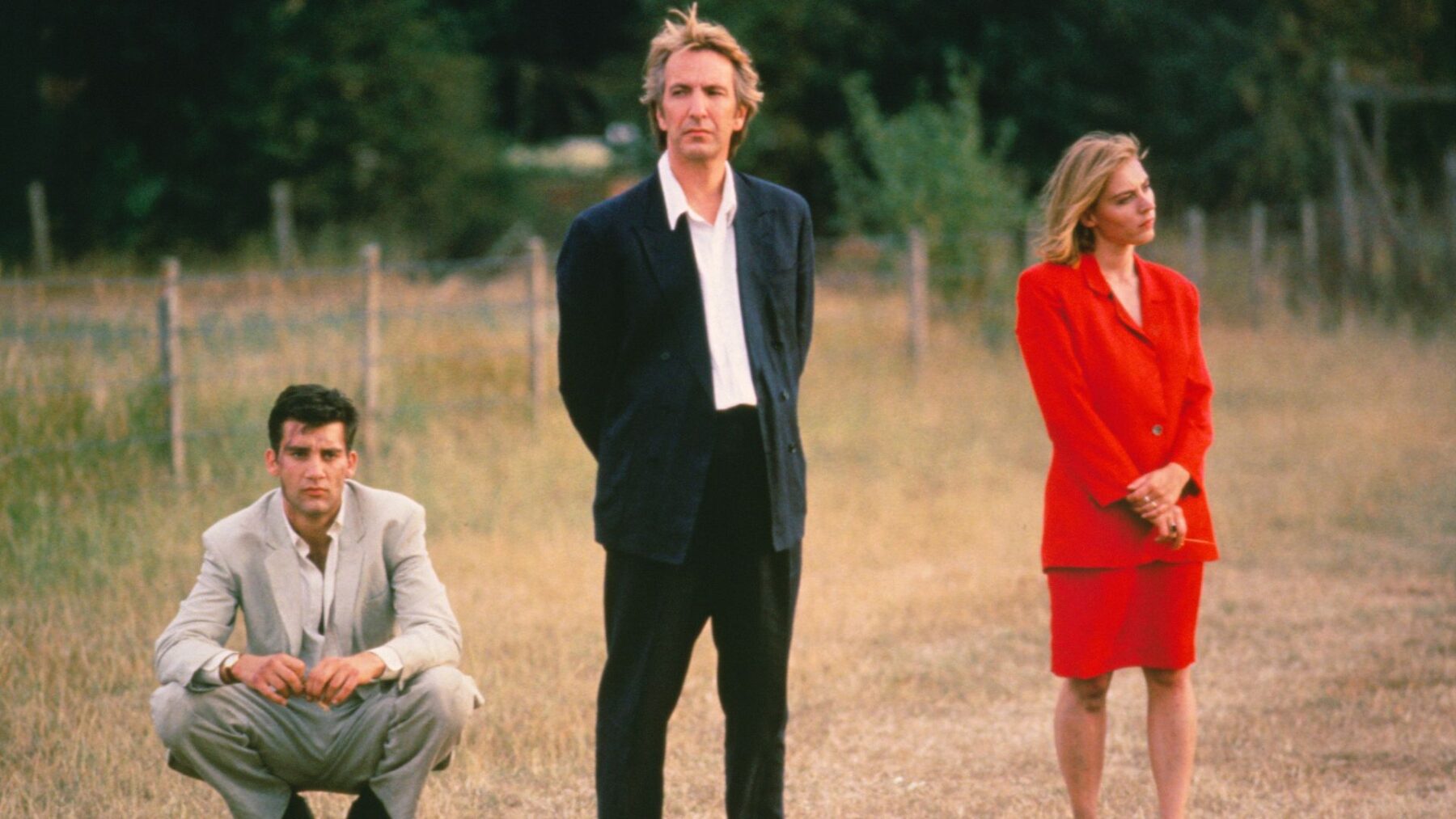
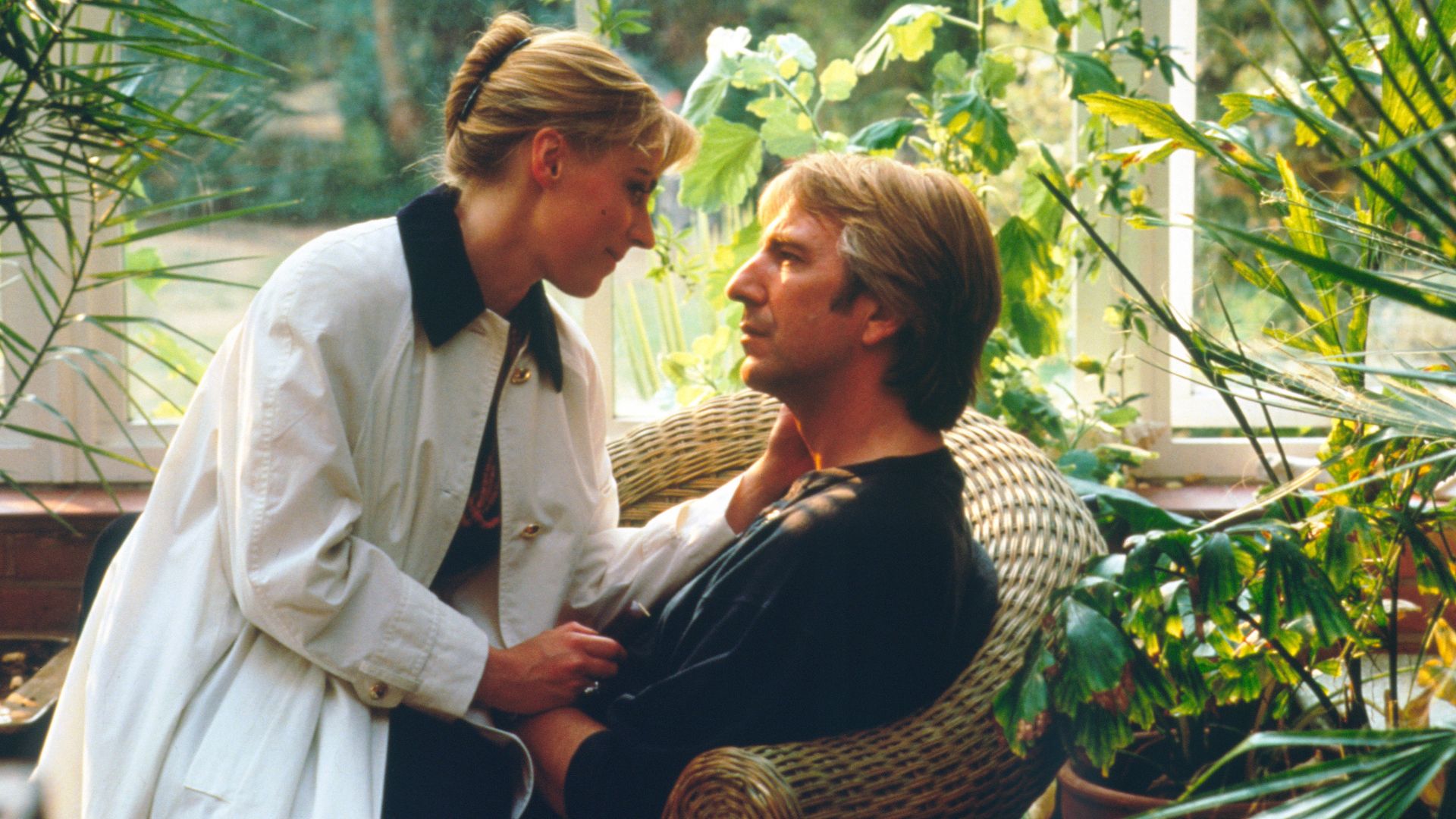
Szczery do bólu Stephen Poliakoff przesuwa granice tabu i rozkłada na czynniki pierwsze mechanizmy ludzkiego pożądania. Rozdzieleni jako nastolatkowie Natalie (Saskia Reeves) i jej brat Richard (Clive Owen) spotykają się po latach rozłąki. Ona jest nieszczęśliwą żoną bogatego przedsiębiorcy Sinclaira Bryanta (Alan Rickman), on po latach międzynarodowych sukcesów wraca do Londynu. Między rodzeństwem rodzi się zakazana fascynacja. Alan Rickman jako dominujący Sinclair porwał widzów połączeniem wpływowej natury i ekscentryzmu, ukazując w krzywym zwierciadle intelektualne zapędy przedstawiciela biznesowej elity.
Zdjęcia powstawały latem 1990 roku podczas jednej z największych fali upałów w historii południowej Anglii. Twórcy precyzyjnie zmiękczyli skandalizujący ton, przeciwstawiając sobie wstrząsającą tematykę z poezją obrazu. Ogromna w tym zasługa polskiego operatora Witolda Stoka, który wyemigrował do Wielkiej Brytanii w latach 80. i wykorzystał zmysł czułego dokumentalisty rozwijany wcześniej m.in. u boku Krzysztofa Kieślowskiego.
Ciepła kolorystyka i kontrast między nowoczesną architekturą a naturą w pełnym rozkwicie oddają zarówno subtelny klimat, jak i rozdarcie ekranowego rodzeństwa uciekającego przed resztą świata do zabytkowych murów, luksusowych apartamentów czy nad tajemniczy brzeg Tamizy. Z drugiej strony stworzyło to fundament od odczytania filmu jako metaforę schyłku rządów Margaret Thatcher i wypierania tradycji na wzór ukazanej w filmie rewitalizacji dzielnicy Docklands.
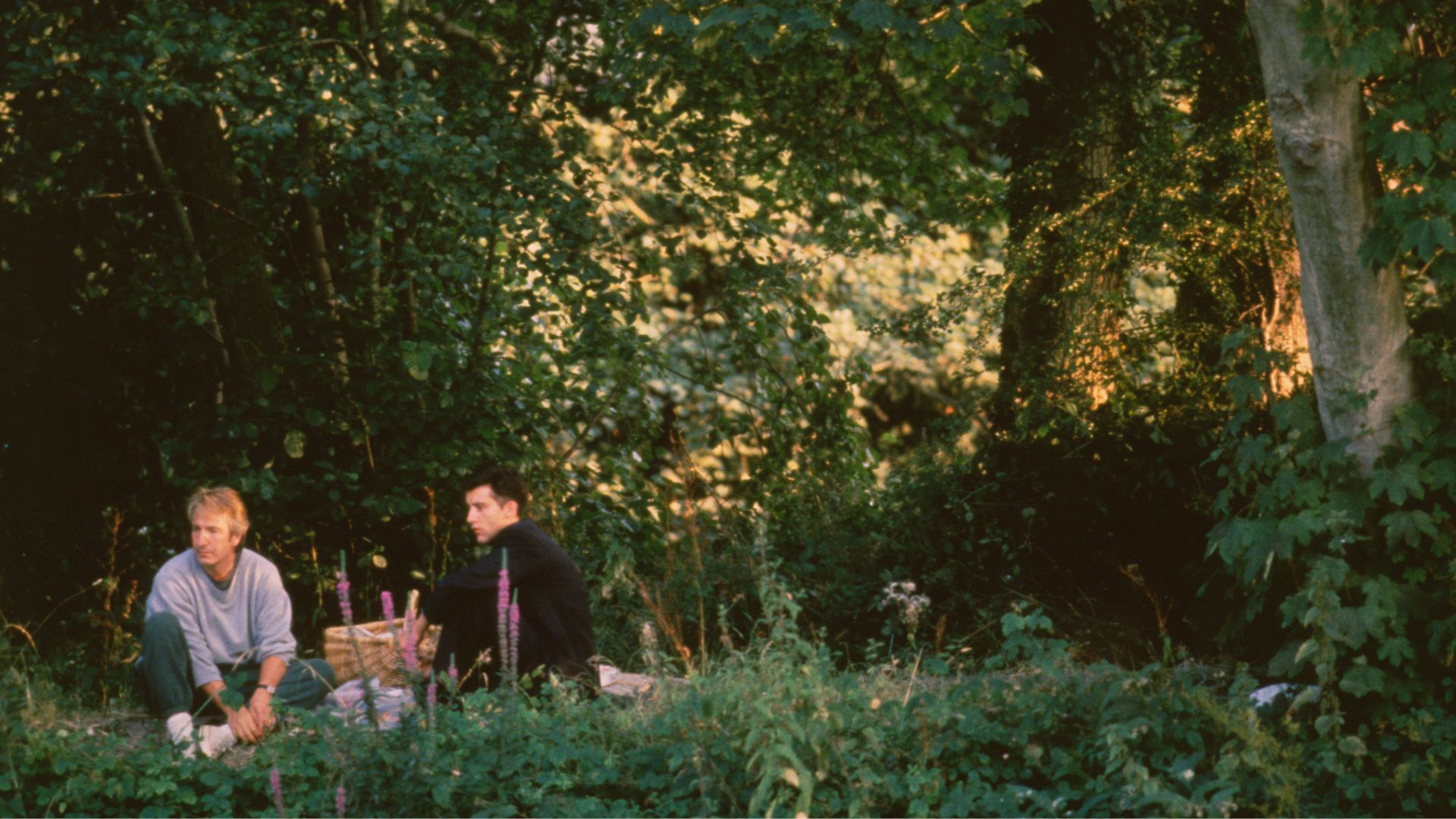
W tle rozbrzmiewał ponadto istotny aspekt społeczny wynikający ze wzmożonych w dekadzie przełomu kampanii dot. edukacji seksualnej i zapobiegania zakażeniem wirusem HIV. Scena, w której chory na AIDS szef Richarda dzieli się z nim kanapką na oczach ignorantów w garniturach to jeden z najwspanialszych kinowych przykładów rozliczenia się z krzywdzącymi stereotypami.
EN
Unflinchingly honest, Stephen Poliakoff pushes at the boundaries of taboo while laying bare the workings of human desire. Separated as teenagers, Natalie (Saskia Reeves) and her brother Richard (Clive Owen) meet again after years apart. She is unhappily married to the wealthy businessman Sinclair Bryant (Alan Rickman); he has returned to London after years of international success. A forbidden attraction begins to grow between the siblings. As the domineering Sinclair, Rickman captivated audiences with a performance that combines authority and eccentricity, while wryly exposing the intellectual pretensions of a member of the business elite.
Filming took place in the summer of 1990, during one of the most severe heatwaves southern England had ever experienced. The filmmakers carefully temper the film’s provocative subject matter by setting it against images of striking beauty. Much of the credit goes to Polish cinematographer Witold Stok, who emigrated to Britain in the 1980s and brought to the film the sensitive eye of a documentary filmmaker, honed earlier through work with, among others, Krzysztof Kieślowski.
The warm palette and the contrast between modern architecture and nature in full bloom capture both the film’s delicate mood and the inner conflict of the brother and sister, who retreat from the outside world into historic interiors, luxury flats and secluded spots along the Thames. At the same time, this visual contrast laid the groundwork for readings of the film as a metaphor for the waning years of Margaret Thatcher’s rule and the displacement of tradition, echoed in the film’s depiction of the regeneration of London’s Docklands.
There is also a significant social undercurrent, shaped by the intensified campaigns around sex education and HIV prevention at the turn of the decade. A scene in which Richard’s boss, who has AIDS, shares a sandwich with him in full view of a group of ignorant men in suits remains one of the film’s most powerful challenges to damaging stereotypes.
Kadry
Jeszcze dziś
 15:45
SALA 1
Otwiera się w nowym oknie - Bilety24
Lalka
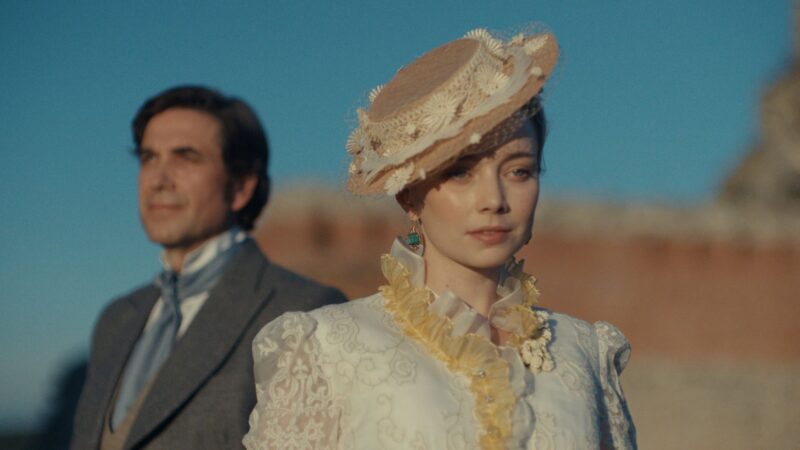
Dzieło Prusa od blisko 140 lat rozpala emocje i wyobraźnię kolejnych pokoleń. Teraz ta ponadczasowa historia trafia na wielki ekran w nowej, spektakularnej, filmowej odsłonie.
 16:00
SALA 1
Otwiera się w nowym oknie - Bilety24
Klara i słońce
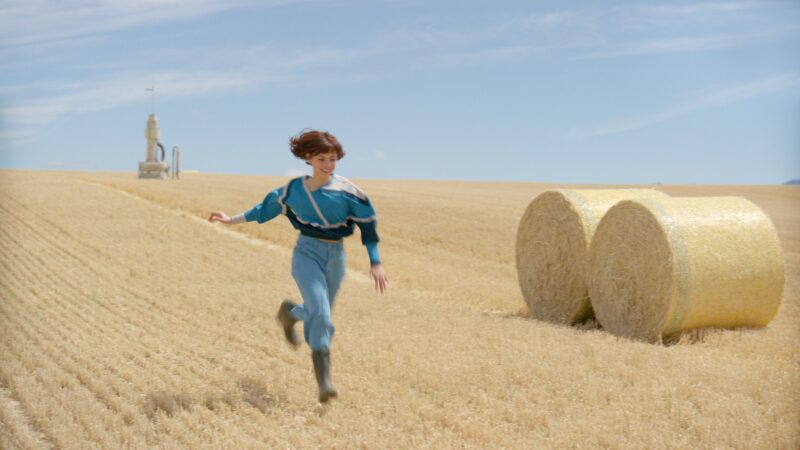
Historia Klary, robota zasilanego energią słoneczną, stworzonego po to, by wspierać i towarzyszyć ludziom w ich codziennym życiu.
 16:30
SALA 1
Otwiera się w nowym oknie - Bilety24
Rozważna i romantyczna
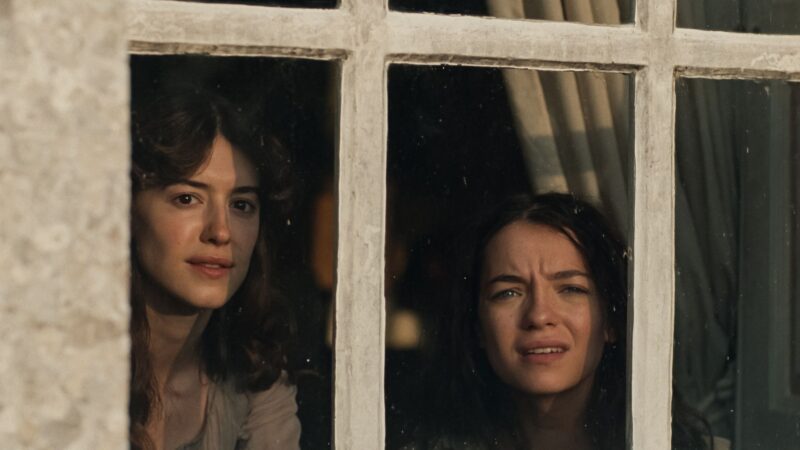
Akcja, osadzona w Anglii epoki georgiańskiej, podąża za losami zamożnego pana Dashwooda, który umiera, pozostawiając swoją drugą żonę oraz trzy córki w trudnej sytuacji finansow...
 18:15
SALA 1
Otwiera się w nowym oknie - Bilety24
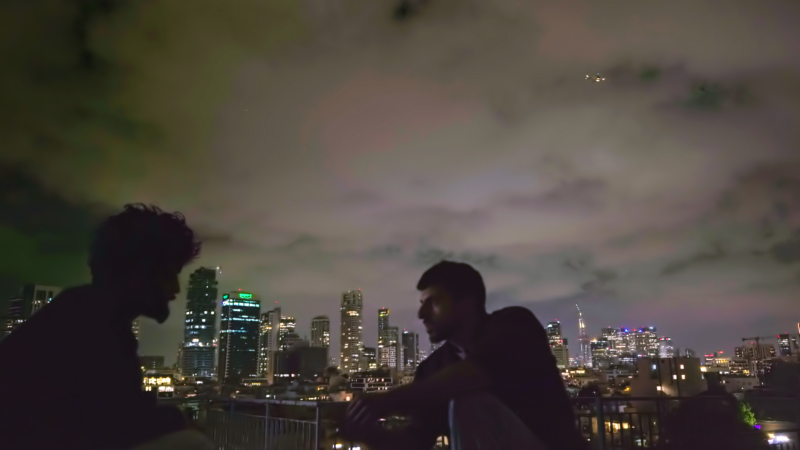
NAZA
Nocą, na dachach Tel Awiwu, z dala od oficjalnych komunikatów i kamer, byli i obecni członkowie izraelskich struktur wojskowych opowiadają o systemach, które współtworzyli.
18:45
SALA 1
Otwiera się w nowym oknie - Bilety24
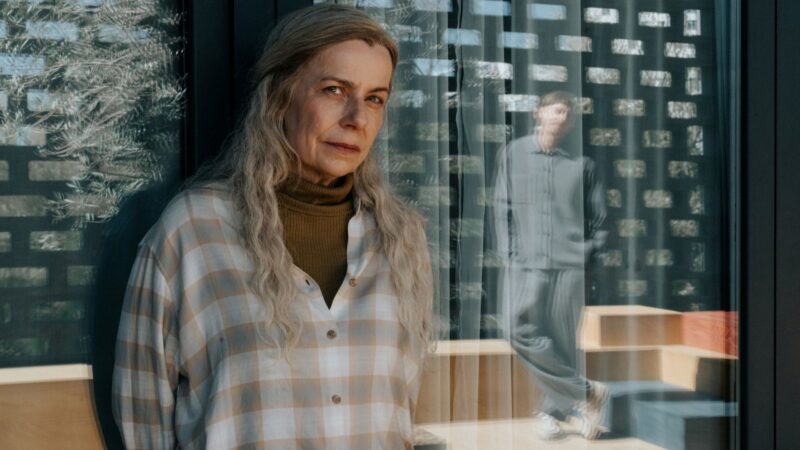
Klara i słońce
Historia Klary, robota zasilanego energią słoneczną, stworzonego po to, by wspierać i towarzyszyć ludziom w ich codziennym życiu.
 19:00
SALA 1
Otwiera się w nowym oknie - Bilety24
Czas, który nie nadszedł
Przyszłość jest teraz i nie ma w niej miejsca na starość, brzydotę i autentyczność. Pasujesz tu?
 20:00
SALA 1
Otwiera się w nowym oknie - Bilety24
Anatomia upadku
Mistrzowski thriller, w którym poszukiwanie odpowiedzi na pytanie czy zabiła? ogląda się jak pełną napięcia intrygę rodem z Zaginionej dziewczyny Davida Finchera.
21:00
SALA 1
Otwiera się w nowym oknie - Bilety24
Rozważna i romantyczna
Akcja, osadzona w Anglii epoki georgiańskiej, podąża za losami zamożnego pana Dashwooda, który umiera, pozostawiając swoją drugą żonę oraz trzy córki w trudnej sytuacji finansow...
 21:00
SALA 1
Otwiera się w nowym oknie - Bilety24
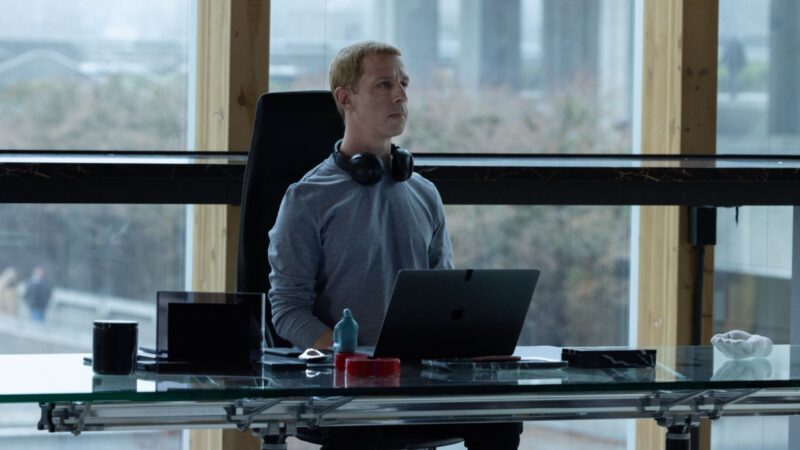
The Social Reckoning: W sieci konsekwencji
Opowieść o losach młodej inżynierki Facebooka, która we współpracy z reportem z „Wall Street Journal” – stara się ujawnić skryte tajemnice portalu społeczności...