Wyliczanka

Holandia, Wielka Brytania
119’
W repertuarze


WYLICZANKA zaczyna się od liczenia gwiazd. Dziewczynka w krynolinie zdobionej srebrzystym gwiazdozbiorem skacze na skakance i poprzestaje na stu, bo – jak tłumaczy – po setce wszystkie gwiazdy są już takie same. Podobnie kończy się film: setką ukrytą wśród rekwizytów jako ostatnią liczbą w śmiertelnej wyliczance fabuły. Wśród bogatej scenografii Greenaway maluje okrutny, ale piękny portret trzech pokoleń kobiet – trzech Cissie Colpitts, które jedna po drugiej uwalniają się od swoich zdradzających (albo zdradliwych), nijakich mężów. Ich wspólnikiem staje się zauroczony kobietami koroner Madgett, gotów tuszować kolejne zgony.
To opowieść o sile kobiecej wspólnoty, ale i studium różnych motywacji do zbrodni – od opanowanej zemsty, przez gorącą frustrację, po pełne żalu rozczarowanie – i opowieść o tym, co może się stać, kiedy kobieta ma już dość powtarzania, że ma dość. Greenaway znajduje humor w okrucieństwie: tabu wyciąga na wierzch, a świętości rozdeptuje jak Biblię, która służy za podpórkę pod buty jednej z kochanek męża najstarszej Cissie. W pokoju Madgetta wiszą Zabawy dziecięce Bruegela – i sam film jest jak bruegelowski obraz, w którym na każdym planie toczy się osobna, równie angażująca sekwencja. Kadry są przeładowane wizualnie – zabawkami, ceramiką, jedzeniem, liczbami – i audialnie, bo bohaterki potrafią prowadzić jednocześnie trzy rozmowy na różne tematy, a zza kadru nieustannie słyszymy syna koronera – Smuta (będącego, według samego Greenawaya, jego fikcyjnym autoportretem), który z powagą wykłada absurdalne reguły wymyślonych przez siebie gier.
A dla chętnych zabawa interaktywna – w kadrach ukryte są wszystkie liczby od 1 do 100.
EN
DROWNING BY NUMBERS begins with someone counting stars. A girl in a crinoline decorated with a silver constellation skips rope and stops at one hundred because, as she explains, after that all the stars begin to look the same. The film ends in much the same way, with the number 100 hidden among the props as the final figure in its deadly counting game.
Against Greenaway’s lavish sets unfolds a cruel yet beautiful portrait of three generations of women (all named Cissie Colpitts) who, one after another, rid themselves of their unfaithful, or simply unreliable, and thoroughly uninspiring husbands. Their accomplice is Madgett, a coroner infatuated with the women and willing to cover up each successive death.
It is a story about the strength of female solidarity, but also a study of the different impulses that can lead to murder: cool-headed revenge, simmering frustration and bitter disappointment. It asks what might happen when a woman finally tyres of saying that she has had enough. Greenaway finds humour in cruelty, dragging taboos into the open and cheerfully trampling over sacred objects – quite literally, in the case of a Bible used to prop up the shoes of one of Cissie’s husband’s eldest lovers.
Bruegel’s Children’s Games hangs in Madgett’s room, and the film itself resembles a Bruegel painting, with something different and equally absorbing happening in every corner of the frame. The images are crammed with toys, ceramics, food and numbers. The soundtrack is just as busy: the women can hold three different conversations at once, while Madgett’s son Smut – whom Greenaway described as a fictional self-portrait – can often be heard solemnly explaining the absurd rules of games he has invented.
And for anyone who wants to join in, there is another game to play: every number from 1 to 100 is hidden somewhere in the film.
Kadry


Jeszcze dziś
 15:45
SALA 1
Otwiera się w nowym oknie - Bilety24
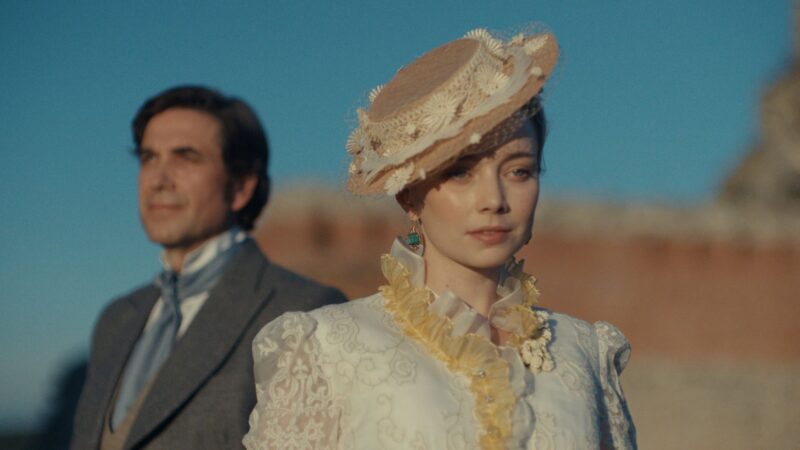
Lalka
Dzieło Prusa od blisko 140 lat rozpala emocje i wyobraźnię kolejnych pokoleń. Teraz ta ponadczasowa historia trafia na wielki ekran w nowej, spektakularnej, filmowej odsłonie.
 16:00
SALA 1
Otwiera się w nowym oknie - Bilety24
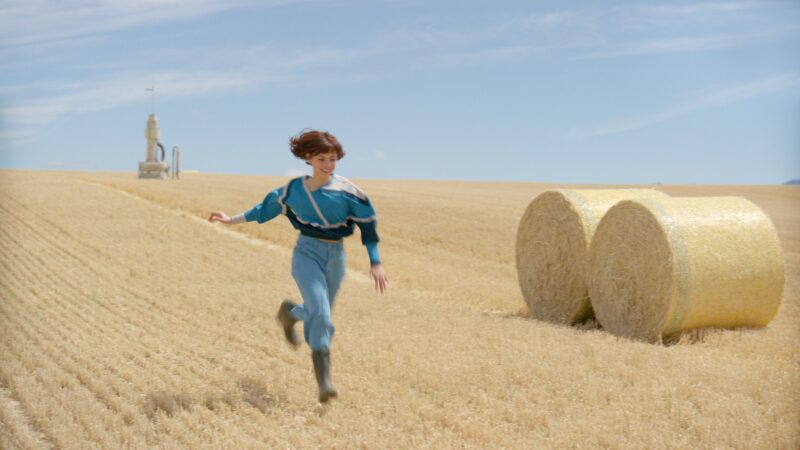
Klara i słońce
Historia Klary, robota zasilanego energią słoneczną, stworzonego po to, by wspierać i towarzyszyć ludziom w ich codziennym życiu.
 16:30
SALA 1
Otwiera się w nowym oknie - Bilety24
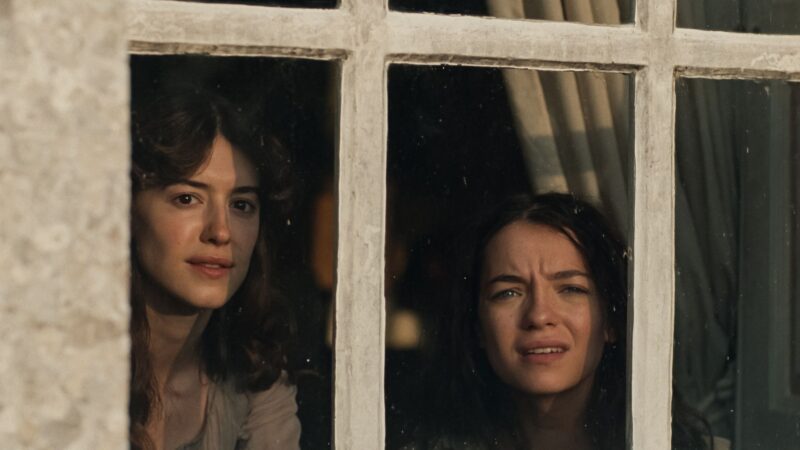
Rozważna i romantyczna
Akcja, osadzona w Anglii epoki georgiańskiej, podąża za losami zamożnego pana Dashwooda, który umiera, pozostawiając swoją drugą żonę oraz trzy córki w trudnej sytuacji finansow...
 18:15
SALA 1
Otwiera się w nowym oknie - Bilety24
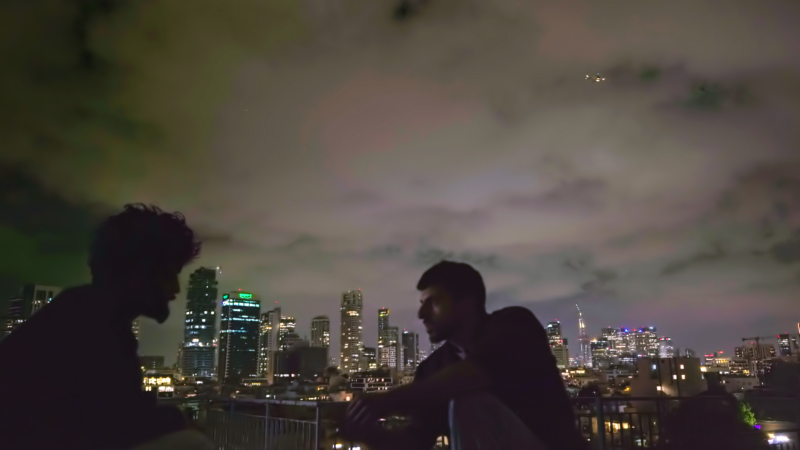
NAZA
Nocą, na dachach Tel Awiwu, z dala od oficjalnych komunikatów i kamer, byli i obecni członkowie izraelskich struktur wojskowych opowiadają o systemach, które współtworzyli.
18:45
SALA 1
Otwiera się w nowym oknie - Bilety24
Klara i słońce
Historia Klary, robota zasilanego energią słoneczną, stworzonego po to, by wspierać i towarzyszyć ludziom w ich codziennym życiu.
 19:00
SALA 1
Otwiera się w nowym oknie - Bilety24
Czas, który nie nadszedł
Przyszłość jest teraz i nie ma w niej miejsca na starość, brzydotę i autentyczność. Pasujesz tu?
 20:00
SALA 1
Otwiera się w nowym oknie - Bilety24
Anatomia upadku
Mistrzowski thriller, w którym poszukiwanie odpowiedzi na pytanie czy zabiła? ogląda się jak pełną napięcia intrygę rodem z Zaginionej dziewczyny Davida Finchera.
21:00
SALA 1
Otwiera się w nowym oknie - Bilety24
Rozważna i romantyczna
Akcja, osadzona w Anglii epoki georgiańskiej, podąża za losami zamożnego pana Dashwooda, który umiera, pozostawiając swoją drugą żonę oraz trzy córki w trudnej sytuacji finansow...
 21:00
SALA 1
Otwiera się w nowym oknie - Bilety24
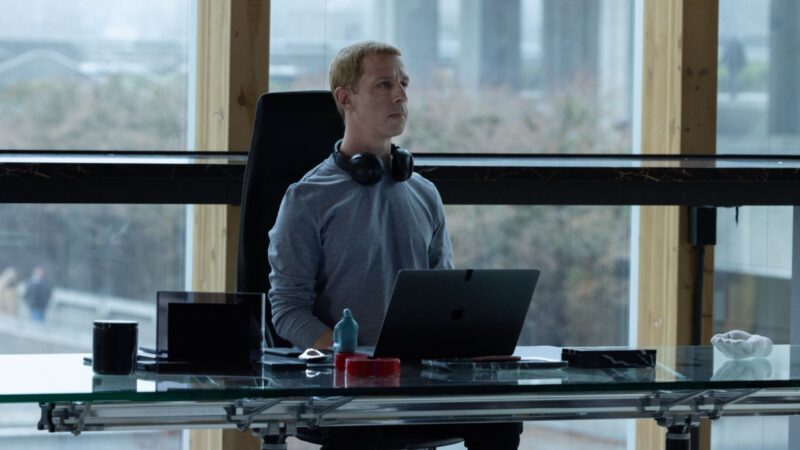
The Social Reckoning: W sieci konsekwencji
Opowieść o losach młodej inżynierki Facebooka, która we współpracy z reportem z „Wall Street Journal” – stara się ujawnić skryte tajemnice portalu społeczności...