W imię ojca
Wielka Brytania, Irlandia
133’
W repertuarze

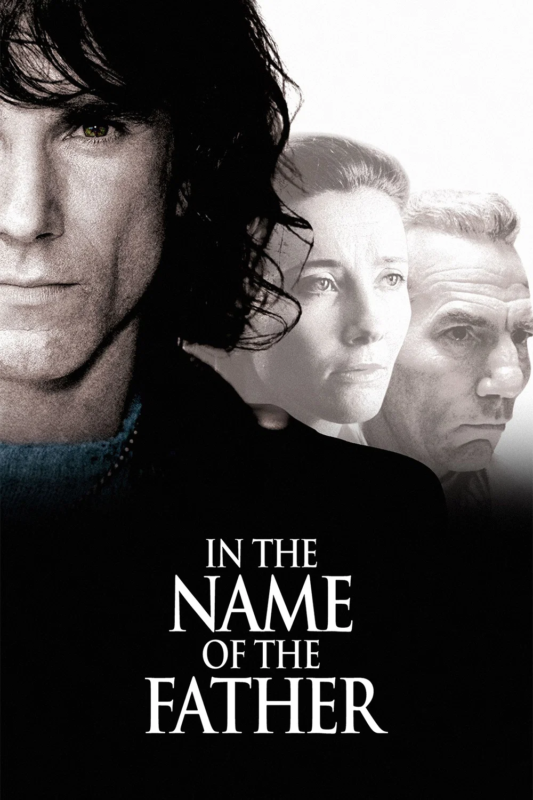
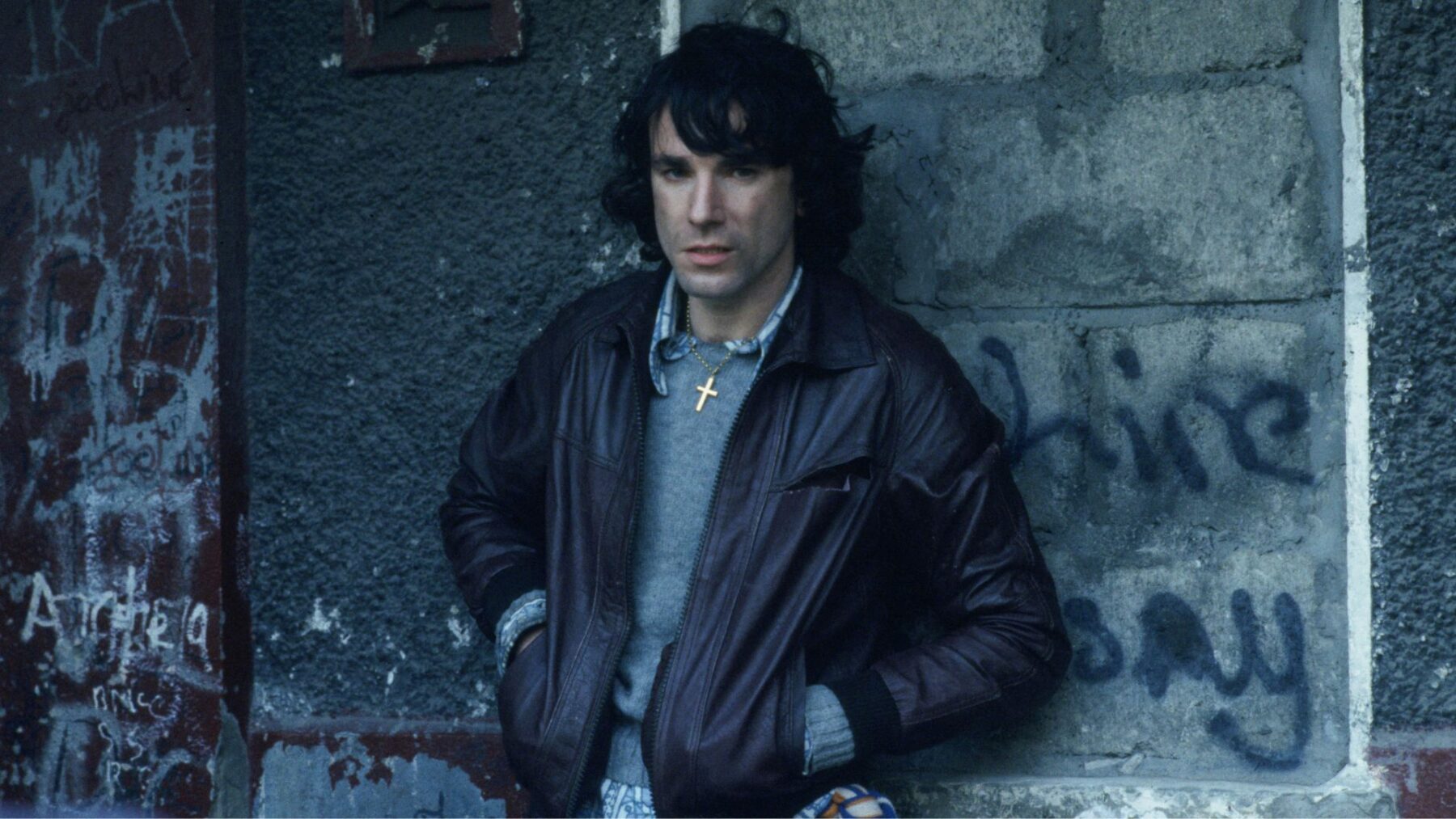
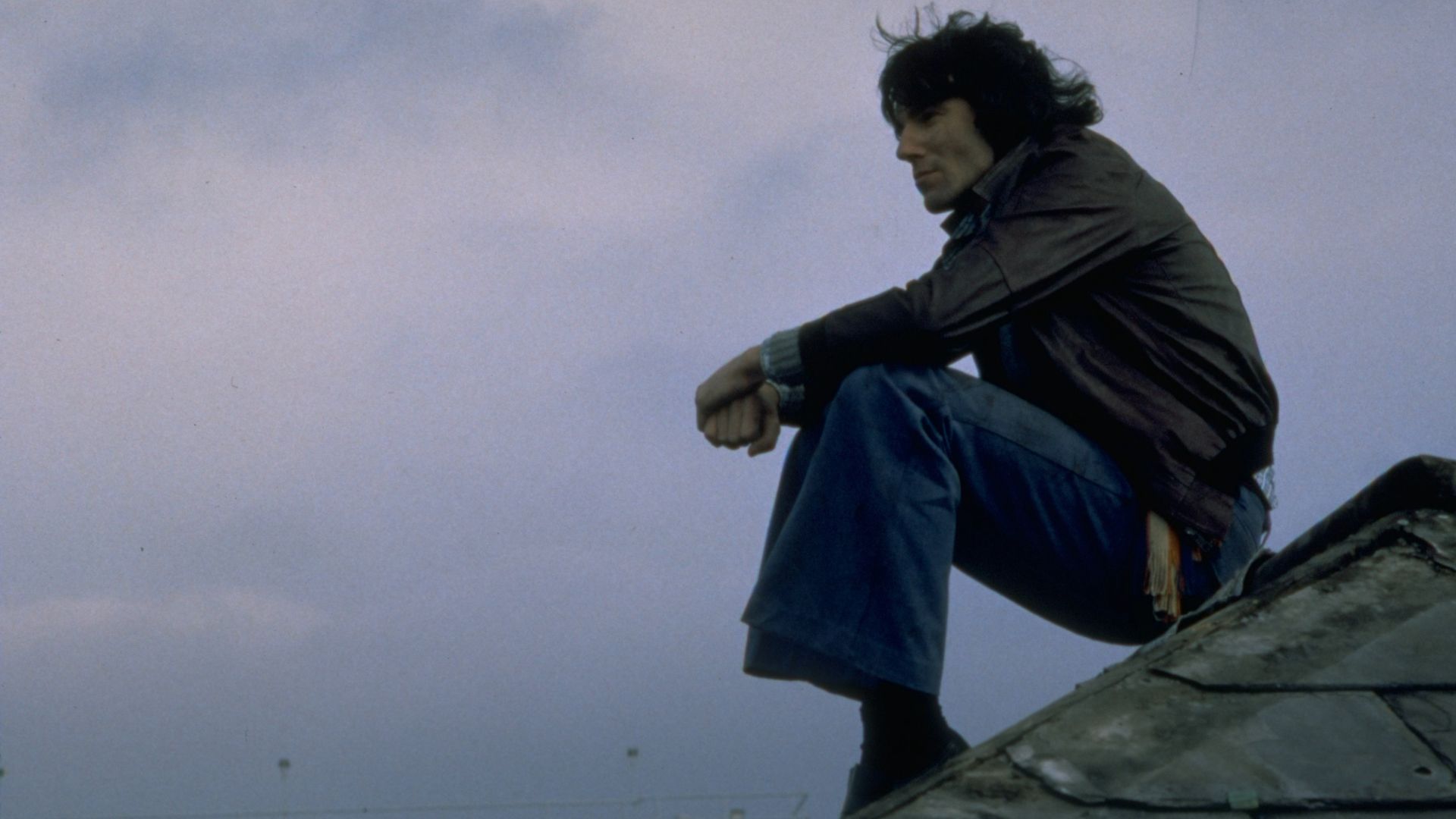
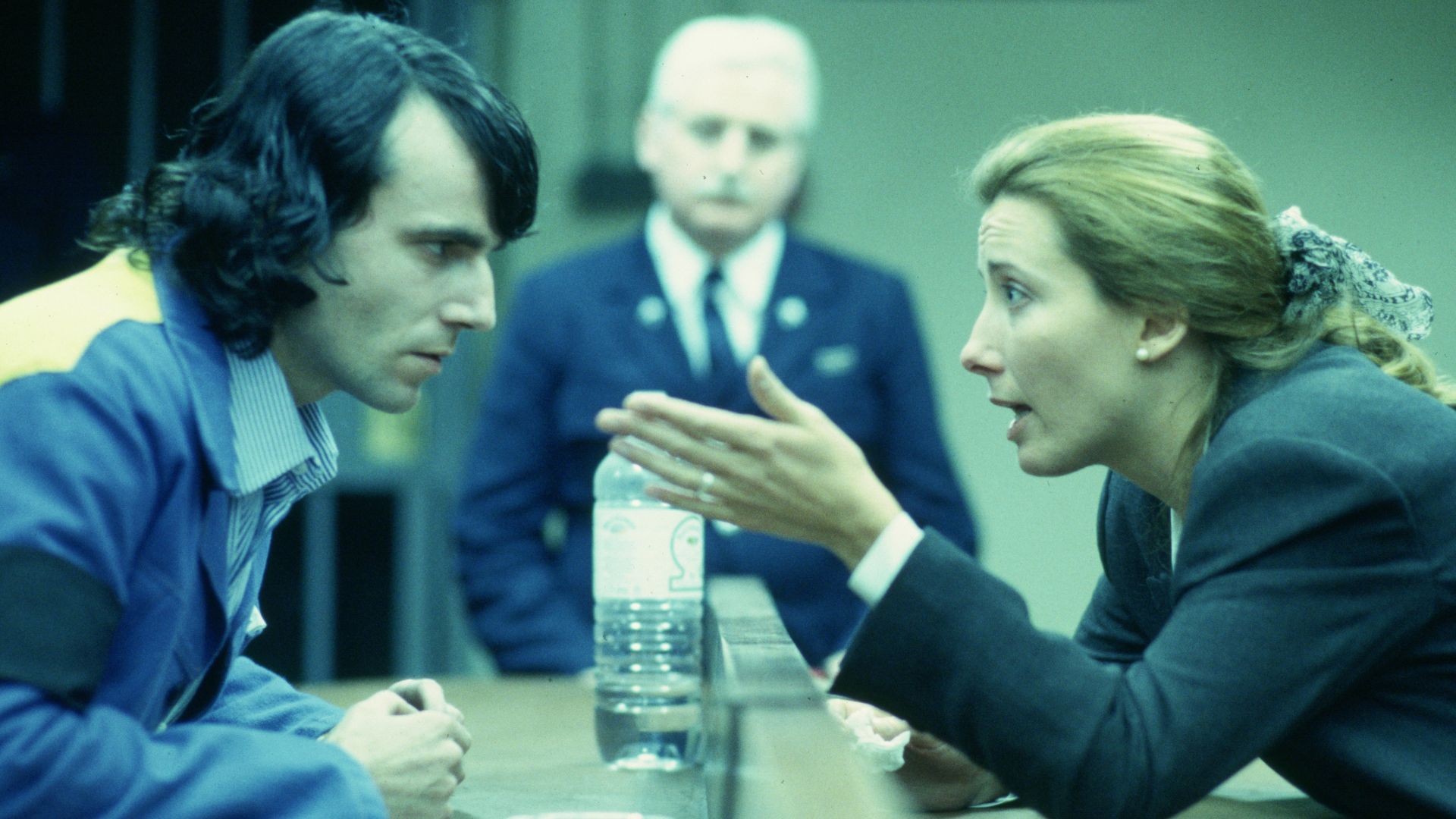
W 1974 roku, w samym środku Kłopotów (Troubles), Irlandzka Armia Republikańska podłożyła bombę w dwóch pubach angielskiego miasta Guildford – w zamachu zginęło pięć osób, w tym czterech żołnierzy brytyjskich (IRA wiedziała, że lokale te chętnie odwiedzają wojskowi). Władzy zależało na niezwłocznym wskazaniu winnych – policja aresztowała czworo podejrzanych, w tym Gerry’ego Conlona, młodego chłopaka z Belfastu. Choć transparentność procesu budziła wątpliwości, cała „Czwórka z Guilford” została skazana. Do Gerry’ego, który miał spędzić w więzieniu resztę życia, dołączył jego ojciec, oskarżony o produkcję substancji wybuchowych dla IRA. Dopiero po kilkunastu latach, dzięki staraniom angielskiej prawniczki, sprawa została wznowiona.
Jim Sheridan, opierając swój film na faktach, połączył wątek walki o sprawiedliwość w starciu z machiną upolitycznionego brytyjskiego sądownictwa z wątkiem konfliktu, a potem pojednania między synem i ojcem. W ten sposób problem polityczny został związany z tym, co prywatne i osobiste. W IMIĘ OJCA, zrealizowany na 5 lat przed Porozumieniami Wielkopiątkowymi formalnie kończącymi północnoirlandzką wojnę, stał się międzynarodowym wydarzeniem, a rola Daniela Day-Lewisa jedną z najważniejszych w jego dorobku. Ten intensywny, pełen pasji, budzący skrajne emocje dramat doskonale, jest zarówno bolesnym oskarżeniem, jak i politycznym manifestem.
EN
In 1974, at the height of the Troubles, the Irish Republican Army planted a bomb in two pubs in the English town of Guildford – five people were killed in the attack, including four British soldiers (the IRA knew that these pubs were popular with military personnel). The authorities were keen to identify the culprits without delay – the police arrested four suspects, including Gerry Conlon, a young man from Belfast.
Although the fairness of the trial was called into question, all four of the ‘Guildford Four’ were convicted. Gerry, who was to spend the rest of his life in prison, was joined by his father, who was accused of manufacturing explosives for the IRA. Years later, thanks to the efforts of an English lawyer, when the case was reopened.
Drawing on real events, Jim Sheridan combines the struggle for justice against a politicised British legal system with the story of conflict and eventual reconciliation between father and son. In doing so, he binds the political to the deeply personal.
IN THE NAME OF THE FATHER, made five years before the Good Friday Agreement which formally ended the Northern Ireland conflict, became an international sensation, and Daniel Day-Lewis’s performance one of the most significant of his career. This intense, passionate drama, which stirs up extreme emotions, is both a poignant indictment and a political manifesto.
Kadry
Jeszcze dziś
 15:45
SALA 1
Otwiera się w nowym oknie - Bilety24
Lalka
Dzieło Prusa od blisko 140 lat rozpala emocje i wyobraźnię kolejnych pokoleń. Teraz ta ponadczasowa historia trafia na wielki ekran w nowej, spektakularnej, filmowej odsłonie.
 16:00
SALA 1
Otwiera się w nowym oknie - Bilety24
Klara i słońce
Historia Klary, robota zasilanego energią słoneczną, stworzonego po to, by wspierać i towarzyszyć ludziom w ich codziennym życiu.
 16:30
SALA 1
Otwiera się w nowym oknie - Bilety24
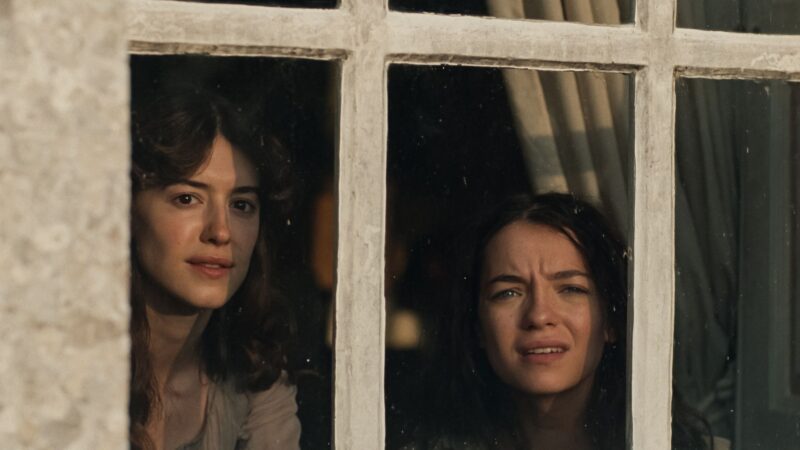
Rozważna i romantyczna
Akcja, osadzona w Anglii epoki georgiańskiej, podąża za losami zamożnego pana Dashwooda, który umiera, pozostawiając swoją drugą żonę oraz trzy córki w trudnej sytuacji finansow...
 18:15
SALA 1
Otwiera się w nowym oknie - Bilety24
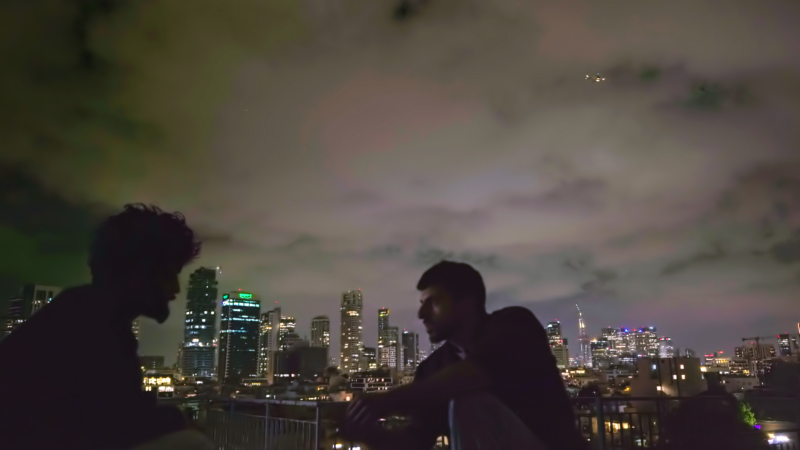
NAZA
Nocą, na dachach Tel Awiwu, z dala od oficjalnych komunikatów i kamer, byli i obecni członkowie izraelskich struktur wojskowych opowiadają o systemach, które współtworzyli.
18:45
SALA 1
Otwiera się w nowym oknie - Bilety24
Klara i słońce
Historia Klary, robota zasilanego energią słoneczną, stworzonego po to, by wspierać i towarzyszyć ludziom w ich codziennym życiu.
 19:00
SALA 1
Otwiera się w nowym oknie - Bilety24
Czas, który nie nadszedł
Przyszłość jest teraz i nie ma w niej miejsca na starość, brzydotę i autentyczność. Pasujesz tu?
 20:00
SALA 1
Otwiera się w nowym oknie - Bilety24
Anatomia upadku
Mistrzowski thriller, w którym poszukiwanie odpowiedzi na pytanie czy zabiła? ogląda się jak pełną napięcia intrygę rodem z Zaginionej dziewczyny Davida Finchera.
21:00
SALA 1
Otwiera się w nowym oknie - Bilety24
Rozważna i romantyczna
Akcja, osadzona w Anglii epoki georgiańskiej, podąża za losami zamożnego pana Dashwooda, który umiera, pozostawiając swoją drugą żonę oraz trzy córki w trudnej sytuacji finansow...
 21:00
SALA 1
Otwiera się w nowym oknie - Bilety24
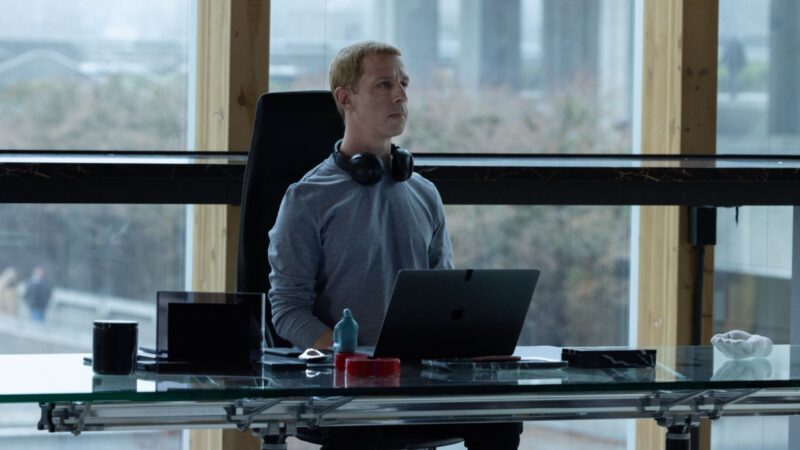
The Social Reckoning: W sieci konsekwencji
Opowieść o losach młodej inżynierki Facebooka, która we współpracy z reportem z „Wall Street Journal” – stara się ujawnić skryte tajemnice portalu społeczności...
