Limbo
Wielka Brytania
104’
W repertuarze


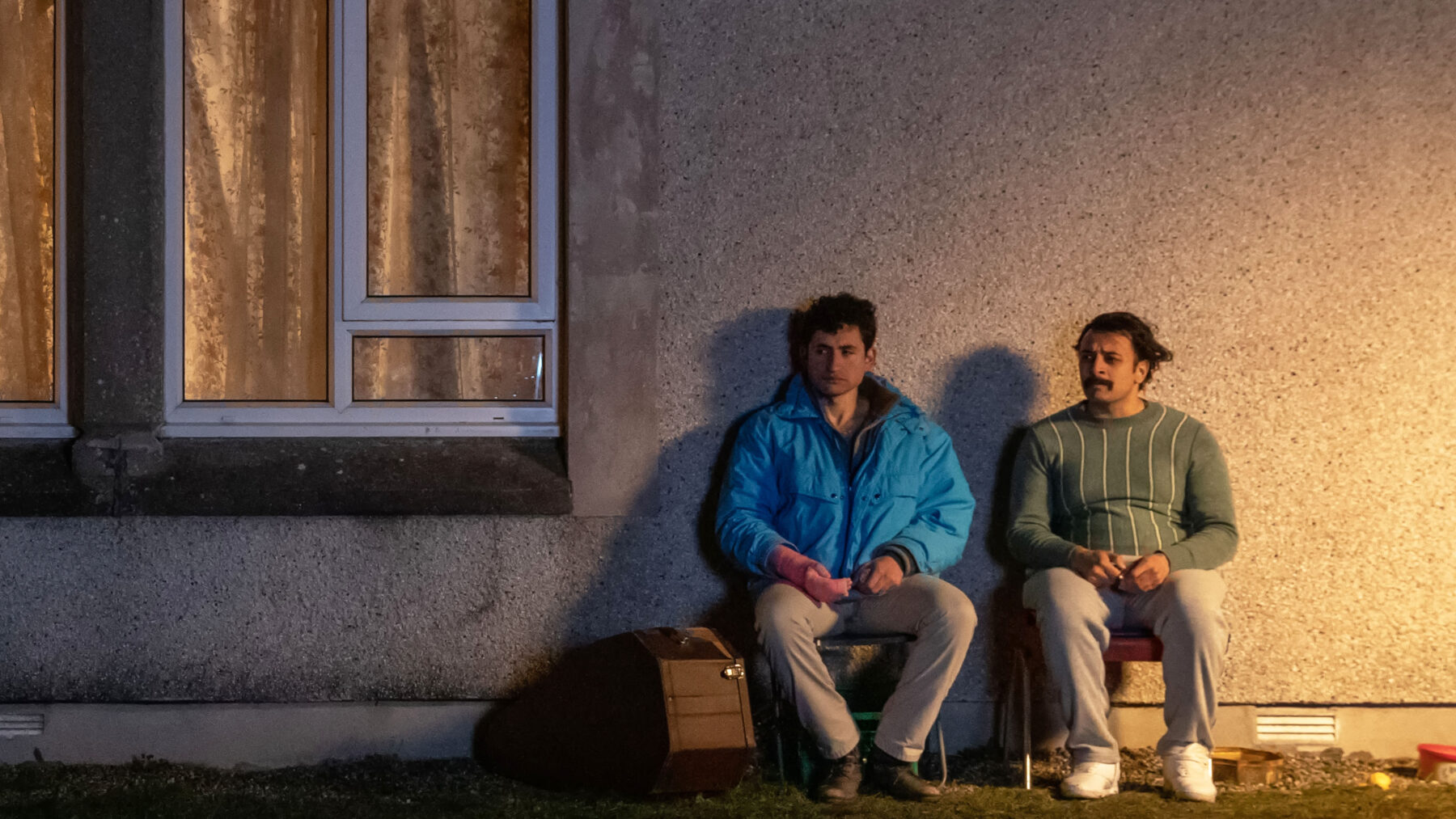
Czterech mężczyzn w ośrodku detencyjnym dla imigrantów oczekujących na rozpatrzenie wniosku o azyl. Najbliżej widzów jest Omar – młody, zdolny muzyk z Syrii, dla którego ud, tradycyjny instrument, jest na obczyźnie największym skarbem. Obok niego jest Farhad, afgański fan Freddiego Mercury’ego, do którego stara się upodobnić. Dalej stoją młodziutki Abedi z Ghany i Nigeryjczyj Wasef. Wszyscy czterej pozostają w swoistym limbo – ośrodek ulokowany jest na kompletnym bezludziu w Szkocji, a pustka tego miejsca jeszcze silniej drenuje wystarczająco już odrętwiałą psychikę bohaterów.
Ben Sharrock składa swój film z obrazków życia. Fabuła jest tu szczątkowa, bo też w życiu Omara i reszty niewiele się dzieje. Na wpół surrealistyczne sytuacje oddają absurd sytuacji imigrantów: system pozbawia ich szansy na włączenie się w życie społeczeństwa, choć oficjalnie tego właśnie od nich oczekuje. LIMBO gra więc nastrojem, długimi ujęciami przestrzennego, surowego krajobrazu, oszczędnością.
W ten apatyczny świat wrzuca jednak i humor, który, paradoksalnie, podkreśla jeszcze smutek i dramat całości. To film ponury, lecz czuły. Choć bohaterowie tkwią w apatii, starają się wykrzesać z siebie iskrę życia. Twórcy zwracają im odebraną godność, sprawczość, indywidualność, człowieczeństwo. Formułując oskarżenie przeciw bezdusznej machinie państwa, obnażają okrucieństwo współczesnego świata.
EN
Four men in a detention centre for migrants awaiting the outcome of their asylum applications. At the heart of the story is Omar – a young, talented musician from Syria, for whom the ud, a traditional instrument, is his greatest treasure whilst in a foreign land. Alongside him is Farhad, an Afghan Freddie Mercury fan who does his best to emulate his idol. Then there are the very young Abedi from Ghana and Wasef from Nigeria. The centre is stuck in the middle of nowhere in Scotland, and the emptiness of the place makes the numbness that they are already feeling even worse.
Ben Sharrock builds his film from snapshots of life. The plot is minimal here, as not much happens in the lives of Omar and the others. The semi-surreal situations reflect the absurdity of the immigrants’ reality: the system deprives them of any chance of integrating into society, while officially that is precisely what is expected of them. Consequently, LIMBO plays on atmosphere, with long shots of a vast, austere landscape and an economy of means.
Yet Sharrock also brings humour into this listless world, paradoxically making the sadness and tragedy of it all more acute. It is a bleak yet tender film. Though its characters remain mired in apathy, they still try to summon some spark of life. The filmmakers restore what has been taken from them: their dignity, agency, individuality and humanity. In levelling an accusation against the soulless machinery of the state, they lay bare the cruelty of the modern world.
Kadry

Jeszcze dziś
 15:45
SALA 1
Otwiera się w nowym oknie - Bilety24
Lalka
Dzieło Prusa od blisko 140 lat rozpala emocje i wyobraźnię kolejnych pokoleń. Teraz ta ponadczasowa historia trafia na wielki ekran w nowej, spektakularnej, filmowej odsłonie.
 16:00
SALA 1
Otwiera się w nowym oknie - Bilety24
Klara i słońce
Historia Klary, robota zasilanego energią słoneczną, stworzonego po to, by wspierać i towarzyszyć ludziom w ich codziennym życiu.
 16:30
SALA 1
Otwiera się w nowym oknie - Bilety24
Rozważna i romantyczna
Akcja, osadzona w Anglii epoki georgiańskiej, podąża za losami zamożnego pana Dashwooda, który umiera, pozostawiając swoją drugą żonę oraz trzy córki w trudnej sytuacji finansow...
 18:15
SALA 1
Otwiera się w nowym oknie - Bilety24
NAZA
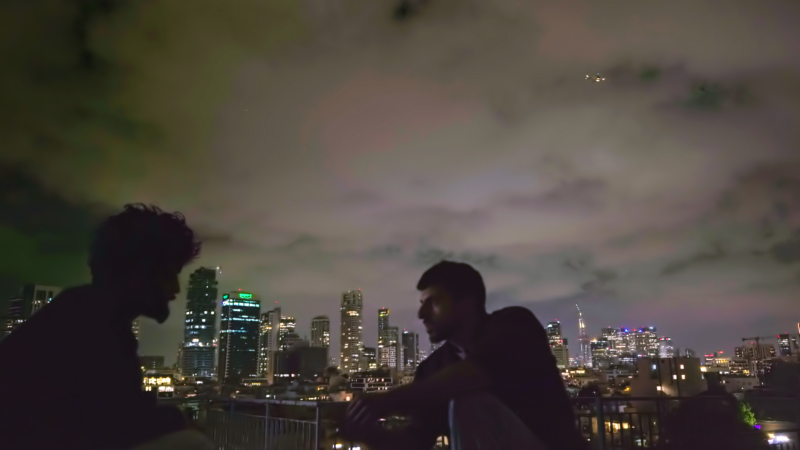
Nocą, na dachach Tel Awiwu, z dala od oficjalnych komunikatów i kamer, byli i obecni członkowie izraelskich struktur wojskowych opowiadają o systemach, które współtworzyli.
18:45
SALA 1
Otwiera się w nowym oknie - Bilety24
Klara i słońce
Historia Klary, robota zasilanego energią słoneczną, stworzonego po to, by wspierać i towarzyszyć ludziom w ich codziennym życiu.
 19:00
SALA 1
Otwiera się w nowym oknie - Bilety24
Czas, który nie nadszedł
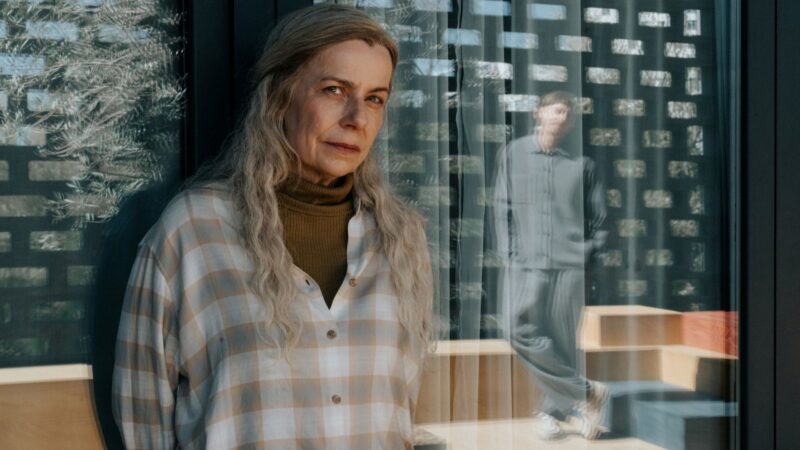
Przyszłość jest teraz i nie ma w niej miejsca na starość, brzydotę i autentyczność. Pasujesz tu?
 20:00
SALA 1
Otwiera się w nowym oknie - Bilety24
Anatomia upadku
Mistrzowski thriller, w którym poszukiwanie odpowiedzi na pytanie czy zabiła? ogląda się jak pełną napięcia intrygę rodem z Zaginionej dziewczyny Davida Finchera.
21:00
SALA 1
Otwiera się w nowym oknie - Bilety24
Rozważna i romantyczna
Akcja, osadzona w Anglii epoki georgiańskiej, podąża za losami zamożnego pana Dashwooda, który umiera, pozostawiając swoją drugą żonę oraz trzy córki w trudnej sytuacji finansow...
 21:00
SALA 1
Otwiera się w nowym oknie - Bilety24
The Social Reckoning: W sieci konsekwencji
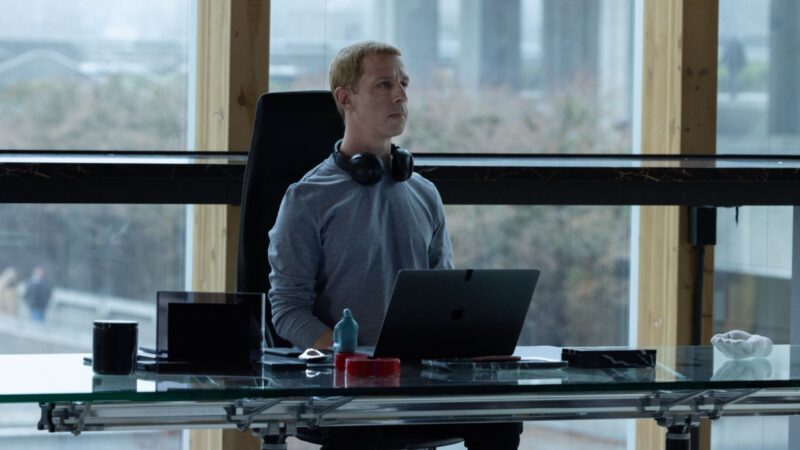
Opowieść o losach młodej inżynierki Facebooka, która we współpracy z reportem z „Wall Street Journal” – stara się ujawnić skryte tajemnice portalu społeczności...