Kontrakt rysownika

Wielka Brytania
103’
W repertuarze


Anglia, koniec XVII wieku. Pyszałkowaty rysownik Neville przyjmuje od pani Herbert zamówienie na dwanaście rysunków jej posiadłości. Cena za zlecenie jest korzystna, bo w umowie znalazł się jeszcze jeden punkt – dama ma w bonusie zaspokajać potrzeby seksualne artysty. Neville zabiera się do pracy z pedantyczną dokładnością. Nie zauważa przy tym, że na jego rycinach pojawiają się drobne ślady, które nie powinny się tam znaleźć: porzucona koszula, para butów, drabina pod oknem. Wszystko wskazuje na to, że w posiadłości doszło do zbrodni, a arogancki rysownik, który zdążył zrazić do siebie całe arystokratyczne towarzystwo, nie wie, że to on może okazać się idealnym kozłem ofiarnym.
Już w debiucie nie brakuje absurdu, który stanie się znakiem rozpoznawczym Greenawaya: po dachu rezydencji przechadza się od czasu do czasu nagi mężczyzna – przysłuchuje się rozmowom, kradnie rzeźby i wspina się po murach, a mało kto zdaje się go zauważać. KONTRAKT RYSOWNIKA, pełnometrażowy debiut fabularny Greenawaya, to kostiumowy kryminał, w którym sztuka okazuje się lepszym detektywem niż człowiek i odsłania to, co w bezpośrednim oglądzie pozostaje ukryte. Kadry są niemal nieruchome, wyraźnie pozowane, a kamera rzadko się porusza, przez co każde ujęcie wygląda rysunek wykonany zgodnie z surowymi regułami perspektywy. To już w pełni dojrzały artystycznie Greenaway – wyrafinowany, przewrotny, absurdalny i zmysłowy.
Film okazał się przy tym kasowym sukcesem i natychmiast pokazał, że jego twórca nie zamierza iść drogą mainstreamu.
EN
England, the late 17th century. The conceited draughtsman Neville accepts a commission from Mrs Herbert to produce twelve drawings of her country estate. The terms are unusually favourable: alongside his fee, the contract also stipulates that the lady of the house must satisfy the artist’s sexual demands. Neville sets to work with meticulous precision. He fails to notice, however, that small details are appearing in his drawings that ought not to be there: an abandoned shirt, a pair of shoes, a ladder by the window. Everything suggests that a crime has taken place on the estate, and the arrogant artist, who has already managed to alienate the entire aristocratic circle around him, has no idea that he may be the perfect scapegoat.
Even in his debut, Greenaway displays the absurdist streak that would become one of his trademarks. From time to time, a naked man wanders across the roof of the house, listening in on conversations, stealing statues and clambering over walls, and almost no one seems to notice him. Greenaway’s feature debut is a period mystery in which art proves a better detective than man, revealing what direct observation leaves hidden.
The compositions are almost static and deliberately posed – the camera rarely moves, making each shot resemble a drawing constructed according to strict rules of perspective. This is already Greenaway at full artistic strength: refined, mischievous, absurd and sensual. The film was also a box-office success, immediately making it clear that its creator had no intention of following the mainstream.
Kadry


Jeszcze dziś
 14:45
SALA 1
Otwiera się w nowym oknie - Bilety24
Primetime
Charyzmatyczny dziennikarz wkracza do podziemnego świata przestępczego i pragnie zmienić oblicze telewizji. Ulega własnej obsesji i w drodze na szczyt popularności zaczyna zatra...
 14:45
SALA 1
Otwiera się w nowym oknie - Bilety24
W tym kraju nie ma dobrych mężczyzn
Połączenie historii miłosnej z szerszym spojrzeniem na afgańskie społeczeństwo, począwszy od patriarchatu i walki o prawa kobiet, po tragiczne konsekwencje powrotu Talibów.
 15:00
SALA 1
Otwiera się w nowym oknie - Bilety24
Rozważna i romantyczna
Akcja, osadzona w Anglii epoki georgiańskiej, podąża za losami zamożnego pana Dashwooda, który umiera, pozostawiając swoją drugą żonę oraz trzy córki w trudnej sytuacji finansow...
 17:00
SALA 1
Otwiera się w nowym oknie - Bilety24
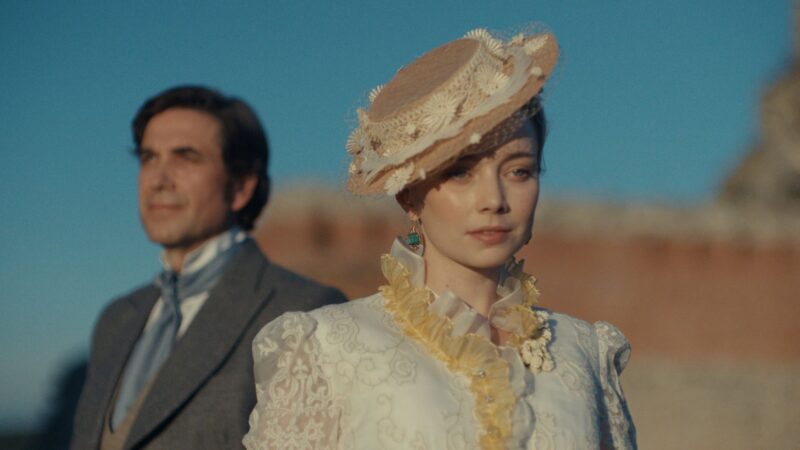
Czas, który nie nadszedł
Przyszłość jest teraz i nie ma w niej miejsca na starość, brzydotę i autentyczność. Pasujesz tu?
 18:00
SALA 1
Otwiera się w nowym oknie - Bilety24
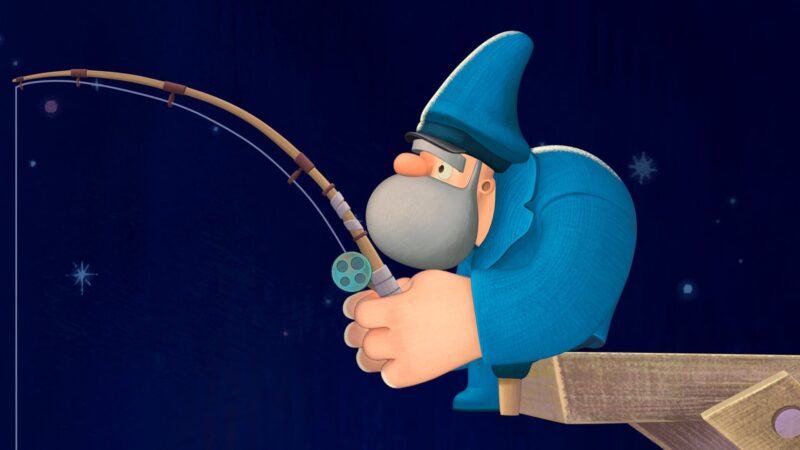
Lalka
Dzieło Prusa od blisko 140 lat rozpala emocje i wyobraźnię kolejnych pokoleń. Teraz ta ponadczasowa historia trafia na wielki ekran w nowej, spektakularnej, filmowej odsłonie.
 19:00
SALA 1
Otwiera się w nowym oknie - Bilety24
Międzynarodowy Dzień Animacji
28 października obchodzimy Międzynarodowy Dzień Animacji – święto ustanowione przez międzynarodową organizację twórców filmu animowanego ASIFA (Association Internationale du Fil...
19:00
SALA 1
Otwiera się w nowym oknie - Bilety24
Rozważna i romantyczna
Akcja, osadzona w Anglii epoki georgiańskiej, podąża za losami zamożnego pana Dashwooda, który umiera, pozostawiając swoją drugą żonę oraz trzy córki w trudnej sytuacji finansow...
 21:00
SALA 1
Otwiera się w nowym oknie - Bilety24
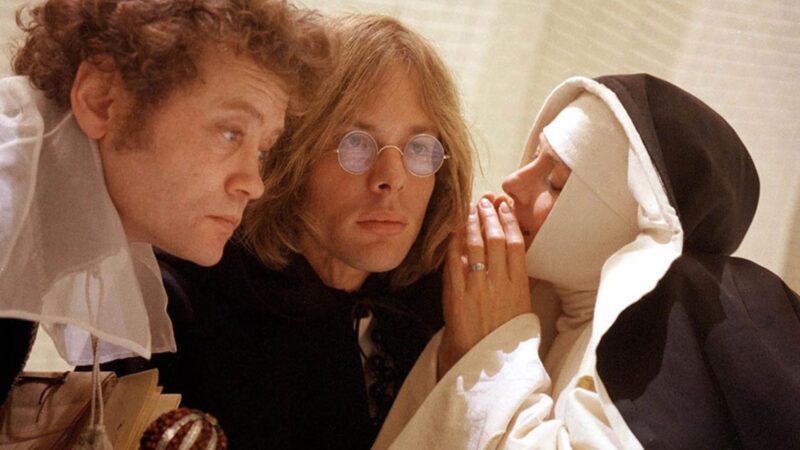
Diabły
Diabły Kena Russella to jeden z najbardziej bezkompromisowych i kontrowersyjnych filmów w historii brytyjskiego kina.
 21:00
SALA 1
Otwiera się w nowym oknie - Bilety24
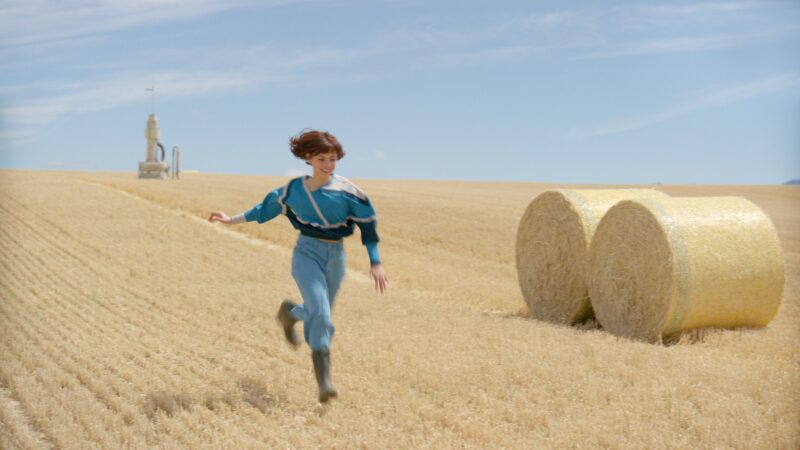
Klara i słońce
Historia Klary, robota zasilanego energią słoneczną, stworzonego po to, by wspierać i towarzyszyć ludziom w ich codziennym życiu.
 21:30
SALA 1
Otwiera się w nowym oknie - Bilety24
Pieśni lasu
Zatrzymaj się i poczuj magię natury podczas prawdziwego kinowego doświadczenia, które angażuje wszystkie zmysły!