Kinowa przygoda z Polą i Piotrusiem
Wielka Brytania
53’
W repertuarze

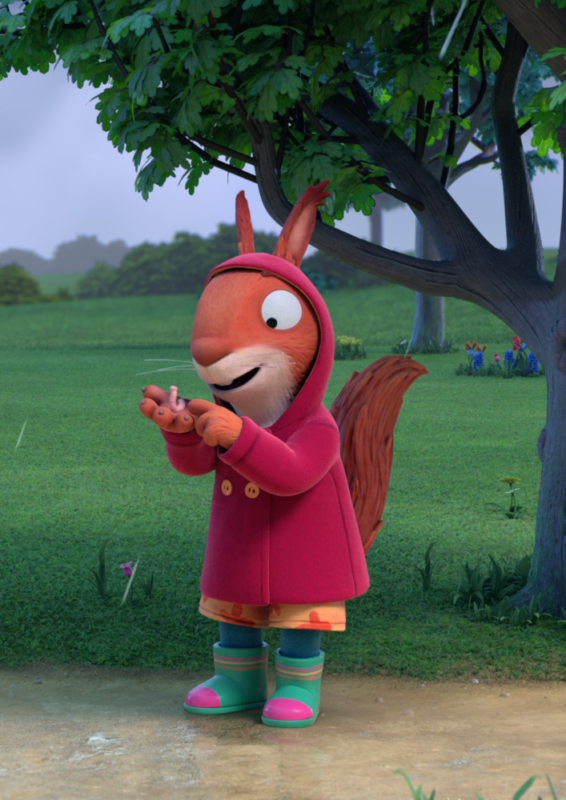
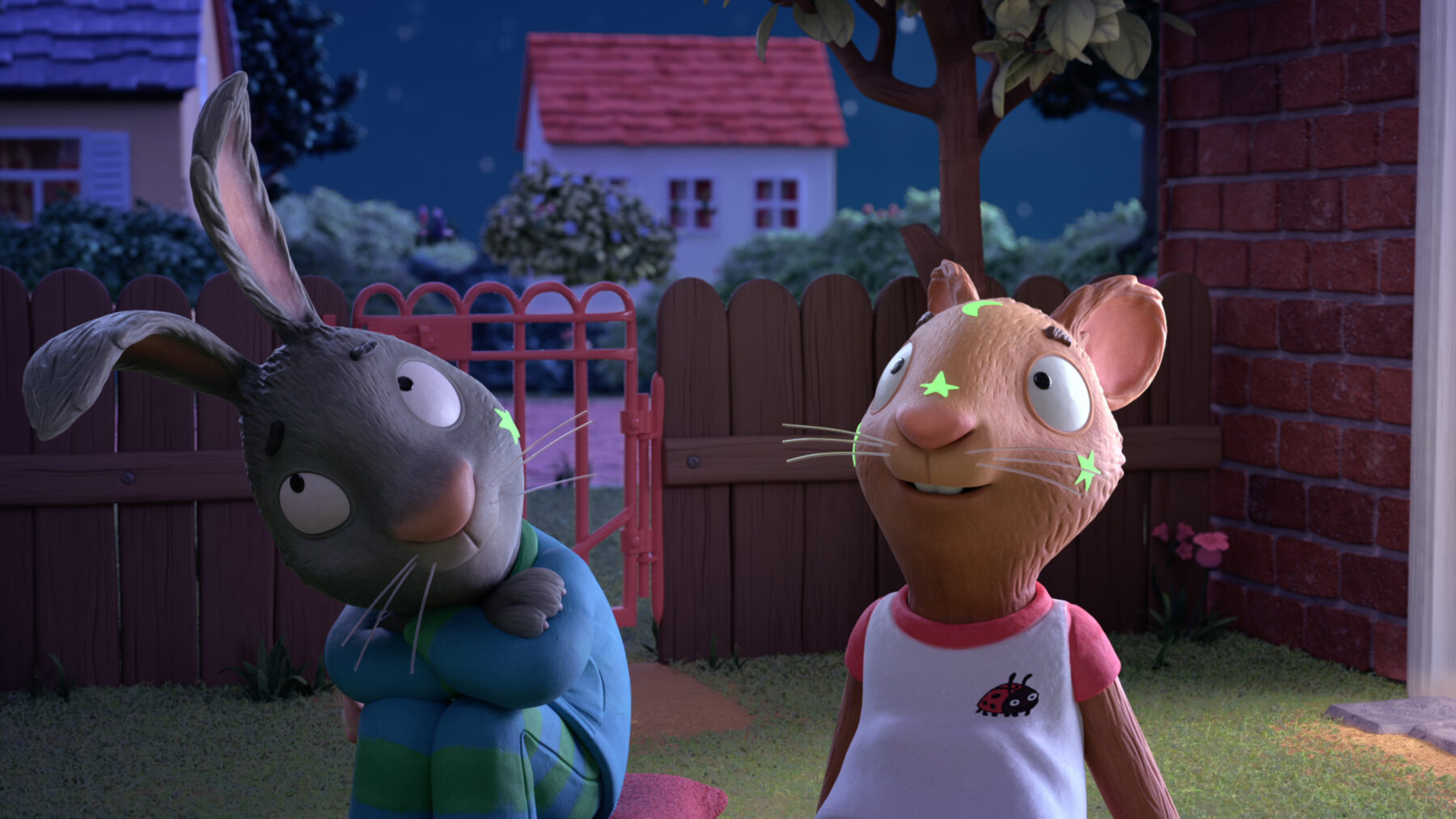
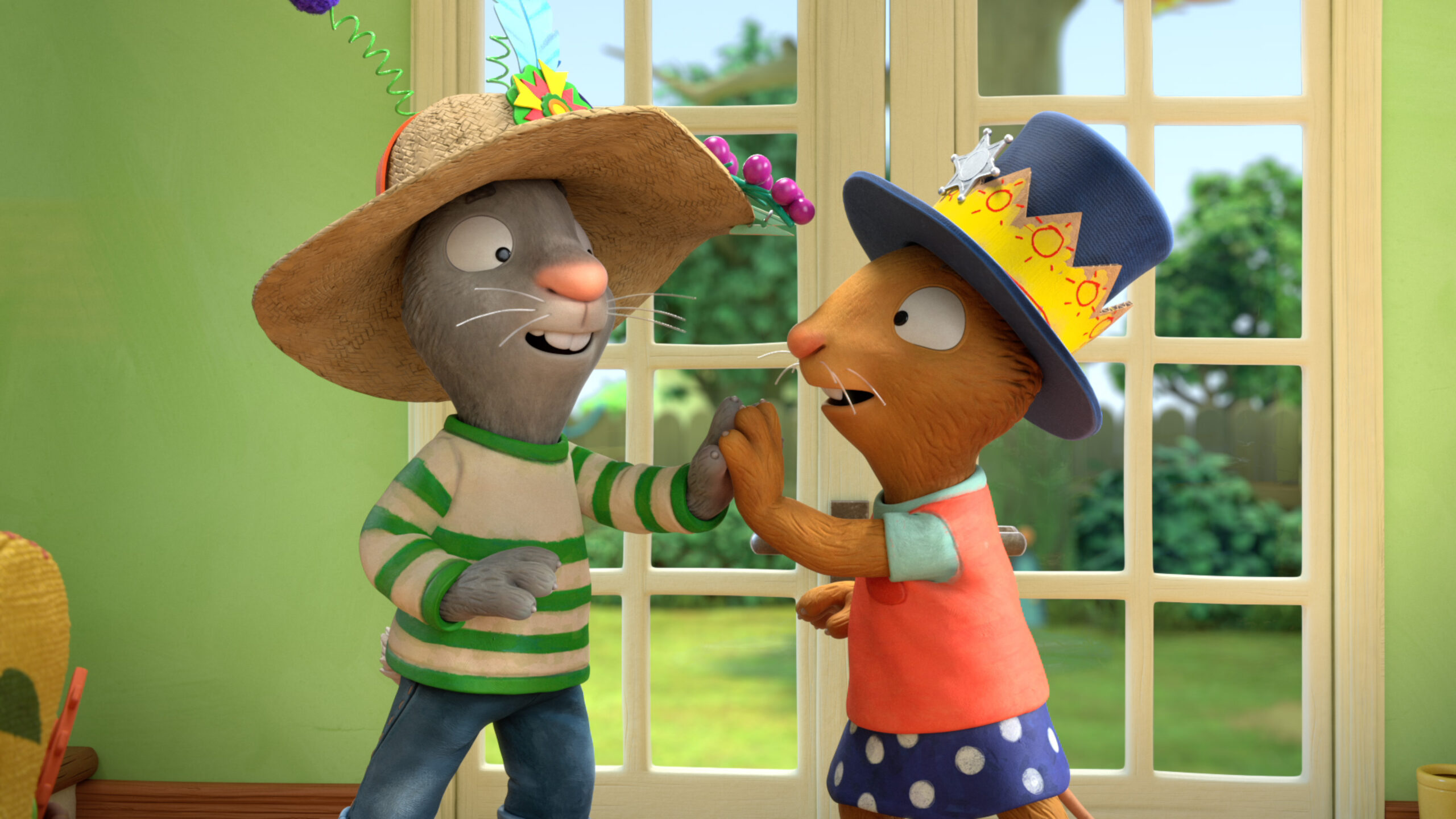
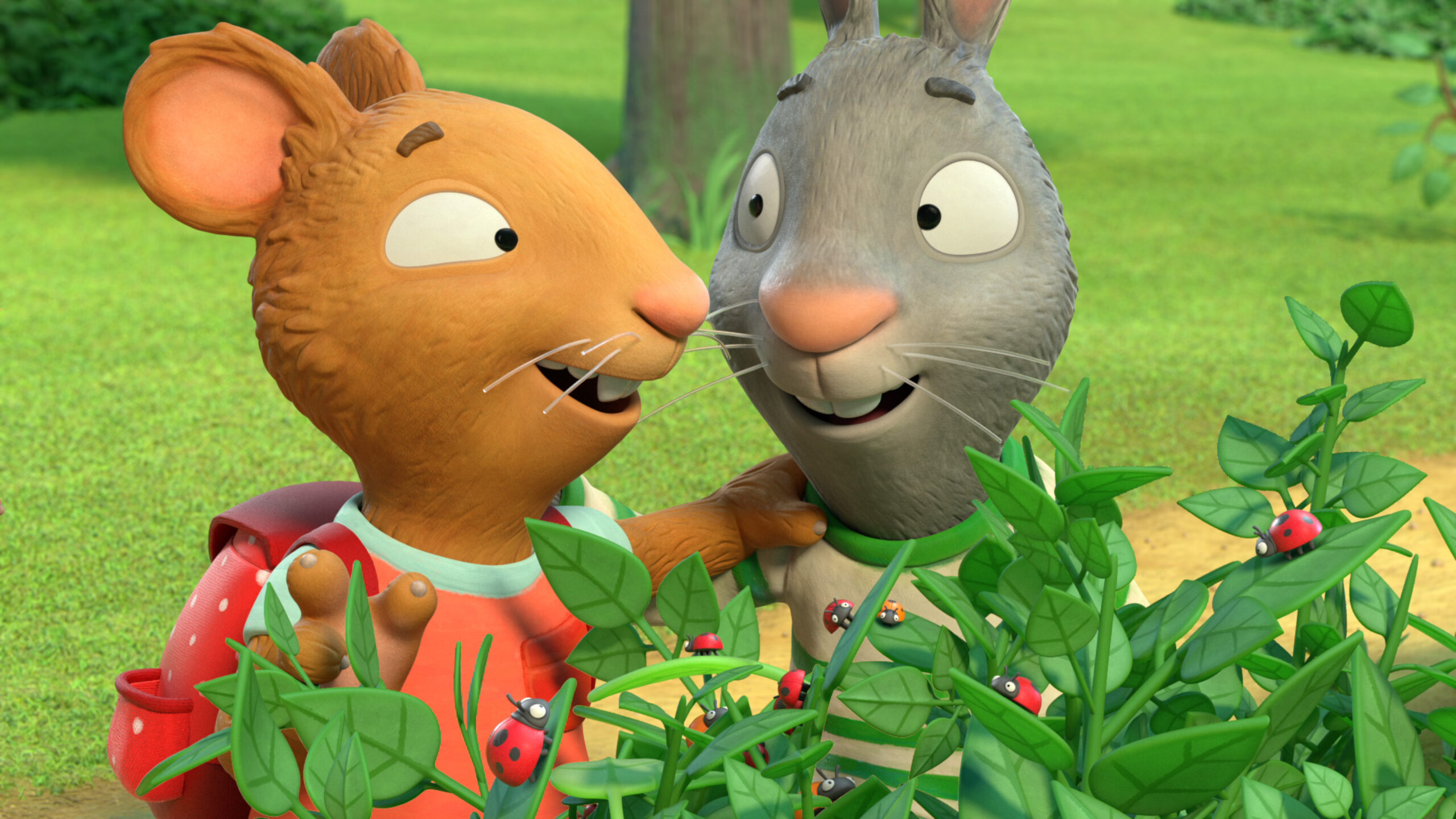
POLA I PIOTRUŚ (eng. PIP AND POSY) są najlepszymi przyjaciółmi. Razem wymyślają zabawy, przeżywają małe przygody, czasem się sprzeczają, bywają zazdrośni albo obrażeni, ale równie szybko uczą się przepraszać, dzielić i zauważać potrzeby drugiej osoby. Polscy mali czytelnicy znają ich dobrze z popularnej serii książek Camilli Reid. Na świecie książki o tej parze sprzedały się już w ponad pięciu milionach egzemplarzy i zostały przełożone na 26 języków.
Brytyjski serial przeniósł dobrze znany książkowy świat na ekran, zachowując to, co stanowi jego największą siłę: codzienność oglądaną z perspektywy kilkulatka. Najważniejsze wydarzenia mogą zacząć się od zgubionej zabawki, nieudanej zabawy, drobnej kłótni czy poczucia, że ktoś został pominięty. Nie ma tu wielkich morałów – są za to emocje, które dla kilkuletniego widza bywają naprawdę wielkie, oraz przyjaźń, która nie oznacza zgodności we wszystkim. Serial zdobył British Animation Award dla najlepszej produkcji przedszkolnej, a jego twórcy konsekwentnie stawiają w centrum swobodną zabawę, wyobraźnię i uczenie się relacji z innymi.
PIP AND POSY’S CINEMA SHOW powstało specjalnie z myślą o dużym ekranie i angażującej interakcji z najmłodszą publicznością. Między kolejnymi z siedmiu odcinków będzie można spróbować rozpoznać przyjaciół po ich cieniach, policzyć małych mieszkańców ogrodu, uważnie wykonywać polecenia, a nawet wspólnie zaśpiewać. Dzięki temu seans nie wymaga siedzenia w bezruchu i ciszy – zachęca do odpowiadania bohaterom i zabawy razem z nimi.
Za animacją stoi Magic Light Pictures – studio od lat specjalizujące się w przenoszeniu na ekran najlepszej brytyjskiej literatury dla dzieci. Również tutaj rozpoznamy miękką kreskę i charakterystyczne postaci Axela Schefflera, ilustratora m.in. Grufołaka. Kinowy zestaw przygód Poli i Piotrusia zachowuje kameralność książek i serialu, ale dodaje do niej coś, co trudno odtworzyć w domu: przyjemność wspólnego przeżywania i reagowania całej sali kinowej.
EN
Pip and Posy are the best of friends. Together they make up games, go on little adventures, sometimes fall out, get jealous or sulk, but they are just as quick to learn to apologise, share and be mindful of each other’s needs. Young readers in Poland already know them well from Camilla Reid’s popular book series, which has sold more than five million copies worldwide and been translated into 26 languages.
The British television series brings this familiar world to the screen while preserving what makes it so special: everyday life seen through the eyes of a small child. The biggest dramas can begin with a lost toy, a game that goes wrong, a minor argument or the feeling of being left out. There are no grand moral lessons here – instead, there are emotions that can feel truly immense to a young viewer, and a friendship that doesn’t mean agreeing on everything. The series won a British Animation Award for Best Pre-School Series, and its creators consistently place free play, imagination and learning how to relate to others at the heart of the stories.
PIP AND POSY’S CINEMA SHOW was created especially for the big screen, with plenty of opportunities for the youngest audience members to join in. Across the seven episodes, children can try to recognise friends from their shadows, count the tiny creatures in the garden, follow instructions carefully, and even sing along. As a result, the screening doesn’t require you to sit still and be quiet – it encourages you to respond to the characters and have fun with them.
The animation comes from Magic Light Pictures, a studio with a long track record of bringing some of the best British children’s literature to the screen. Here, too, audiences will recognise Axel Scheffler’s soft, distinctive style and instantly familiar characters; Scheffler also illustrates The Gruffalo. This cinema collection of Pip and Posy’s adventures retains the intimacy of the books and television series while adding something hard to recreate at home: the pleasure of experiencing and reacting to it together with a whole cinema audience.
Kadry
Jeszcze dziś
 15:45
SALA 1
Otwiera się w nowym oknie - Bilety24
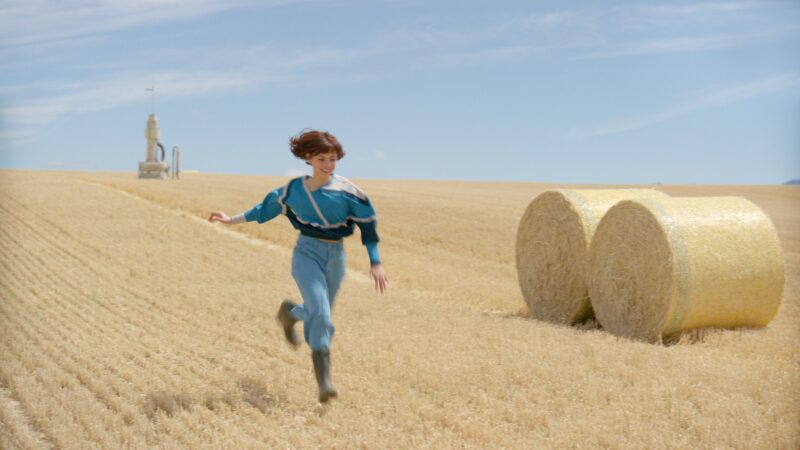
Lalka
Dzieło Prusa od blisko 140 lat rozpala emocje i wyobraźnię kolejnych pokoleń. Teraz ta ponadczasowa historia trafia na wielki ekran w nowej, spektakularnej, filmowej odsłonie.
 16:00
SALA 1
Otwiera się w nowym oknie - Bilety24
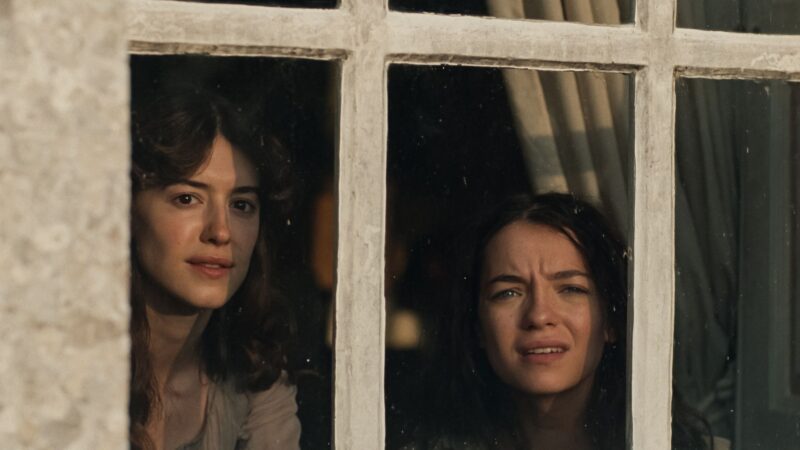
Klara i słońce
Historia Klary, robota zasilanego energią słoneczną, stworzonego po to, by wspierać i towarzyszyć ludziom w ich codziennym życiu.
 16:30
SALA 1
Otwiera się w nowym oknie - Bilety24
Rozważna i romantyczna
Akcja, osadzona w Anglii epoki georgiańskiej, podąża za losami zamożnego pana Dashwooda, który umiera, pozostawiając swoją drugą żonę oraz trzy córki w trudnej sytuacji finansow...
 18:15
SALA 1
Otwiera się w nowym oknie - Bilety24
NAZA
Nocą, na dachach Tel Awiwu, z dala od oficjalnych komunikatów i kamer, byli i obecni członkowie izraelskich struktur wojskowych opowiadają o systemach, które współtworzyli.
18:45
SALA 1
Otwiera się w nowym oknie - Bilety24
Klara i słońce
Historia Klary, robota zasilanego energią słoneczną, stworzonego po to, by wspierać i towarzyszyć ludziom w ich codziennym życiu.
 19:00
SALA 1
Otwiera się w nowym oknie - Bilety24
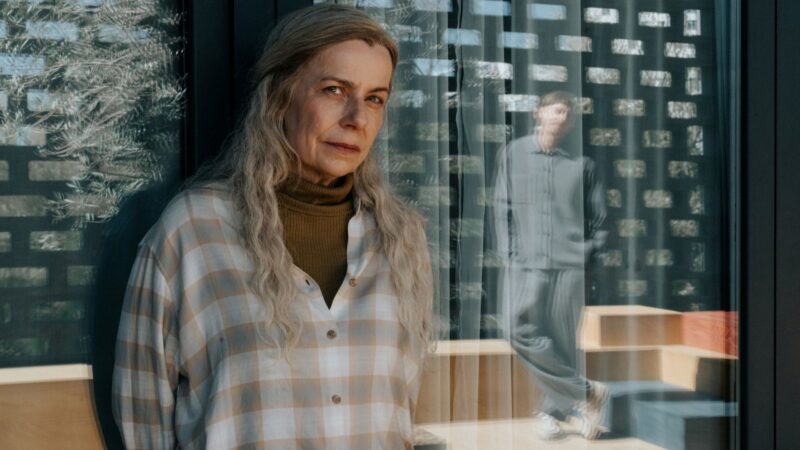
Czas, który nie nadszedł
Przyszłość jest teraz i nie ma w niej miejsca na starość, brzydotę i autentyczność. Pasujesz tu?
 20:00
SALA 1
Otwiera się w nowym oknie - Bilety24
Anatomia upadku
Mistrzowski thriller, w którym poszukiwanie odpowiedzi na pytanie czy zabiła? ogląda się jak pełną napięcia intrygę rodem z Zaginionej dziewczyny Davida Finchera.
21:00
SALA 1
Otwiera się w nowym oknie - Bilety24
Rozważna i romantyczna
Akcja, osadzona w Anglii epoki georgiańskiej, podąża za losami zamożnego pana Dashwooda, który umiera, pozostawiając swoją drugą żonę oraz trzy córki w trudnej sytuacji finansow...
 21:00
SALA 1
Otwiera się w nowym oknie - Bilety24
The Social Reckoning: W sieci konsekwencji
Opowieść o losach młodej inżynierki Facebooka, która we współpracy z reportem z „Wall Street Journal” – stara się ujawnić skryte tajemnice portalu społeczności...