Ish

Wielka Brytania
89’
W repertuarze

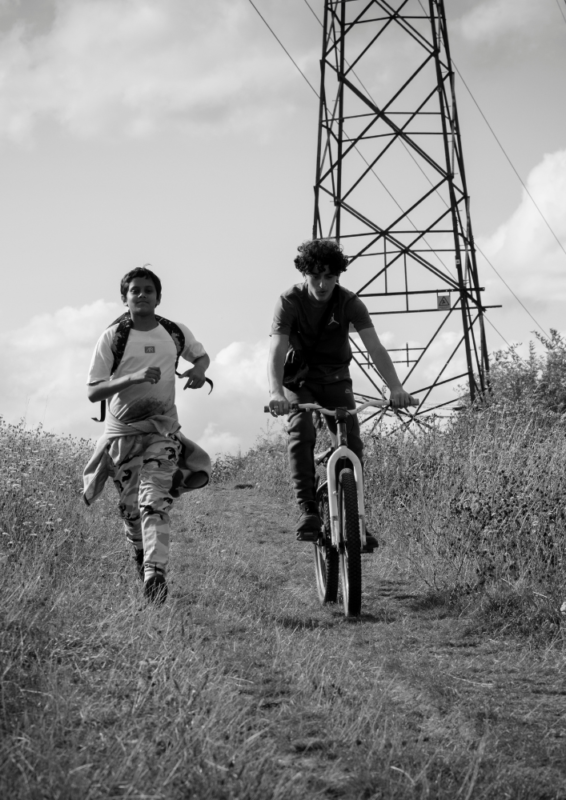
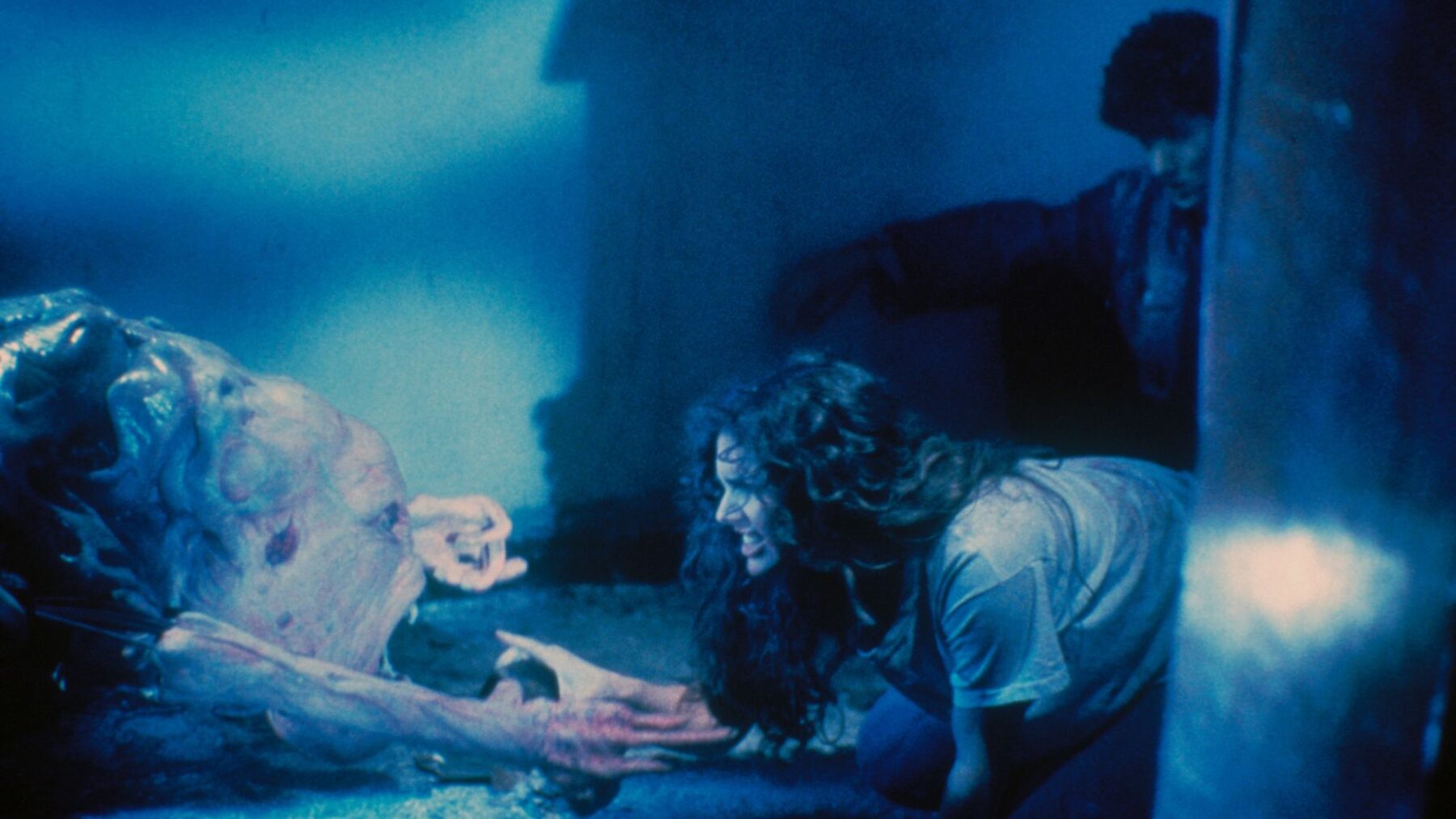
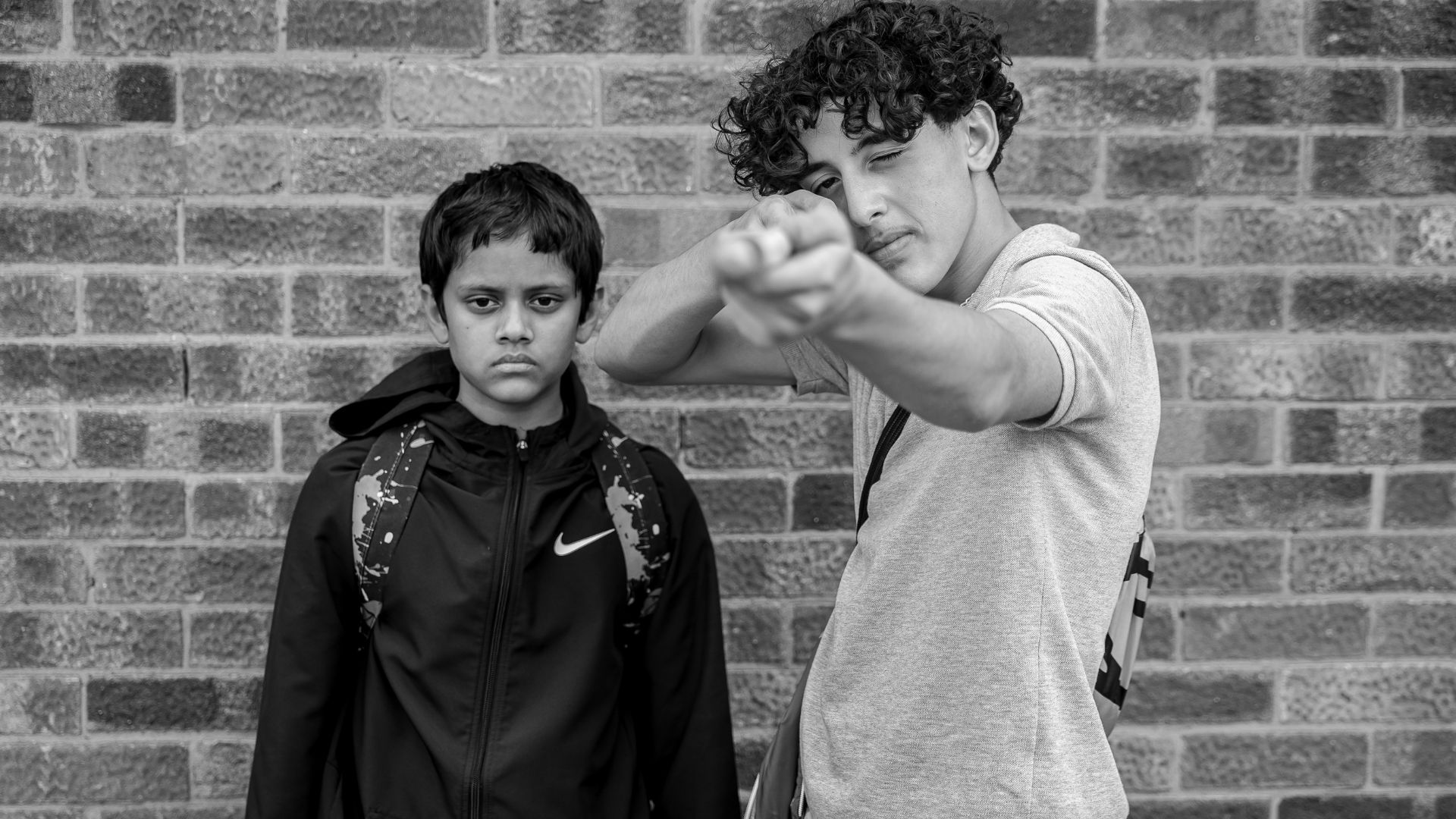
Jeśli nie zdecydujesz kim jesteś, inni ludzie zdecydują za Ciebie – słyszy Ish (Farhan Hasnat), żyjący w Luton nastolatek pochodzenia bangladeskiego. Pretendenci do definiowania jego tożsamości stanowią liczną grupę, która reprezentuje brytyjskiego organy władzy. Jednak z uporem redukują jego istnienie do bycia intruzem i zagrożeniem dla białej rasy oraz judeochrześcijańskiej, europejskiej cywilizacji. Imran Perreta, artysta audiowizualny i reżyser ISHA, wskazuje, że wiek chłopaka nie gra roli dla brytyjskiej policji i jest to uniwersalne doświadczenie młodych osób migranckich, którego sam doświadczył.
ISH, laureat nagrody BIFA za przełom produkcyjny, przedstawia rzeczywistość tytułowego nastolatka i jego przyjaciela Marama (Yahya Kitana), zmuszającej ich do szybszego pożegnania się z dzieciństwem. Rasowe profilowanie mniejszości i wyrywkowe kontrole policyjne sprawiają, że żyją w przytłaczającym napięciu, strachu i poczuciu nieustannej obserwacji. Wkrótce wpływa to nawet na ich przyjaźń, nacechowaną niewinnością i braterskością, a w konsekwencji wystawia ich relację na próbę. Chłopcy po raz pierwszy mierzą się z dotkliwą stratą, cierpieniem i w końcu z brutalną dorosłością.
Poetycki i chwytający za serce film debiutującego Perretty skutecznie ucieka od schematów realizmu społecznego skoncentrowanego na portretowaniu miasta i społeczeństwa w ponurych barwach. W jego soczewce Luton – pomimo porażających nierówności społecznych i monochromatycznej estetyki – jest miejscem, w którym chłopcy odnajdują pierwiastek nadzwyczajności. Magię można odnaleźć również w chemii młodych aktorów, będących prywatnie przyjaciółmi. Choć scenariusz cenionego dramaturga Endy Walsha (ZGIŃ, KOCHANIE i WIDZĘ BUDYNKI UPADAJĄCE NICZYM BŁYSKAWICE) jest pełen empatii i wrażliwości na człowieka, to właśnie ich szczere spojrzenia i dynamika stanowią duszę filmu Perretty.
EN
If you don’t decide who you are, other people will decide for you – Ish (Farhan Hasnat), a Bangladeshi teenager living in Luton, is told. Plenty of people are ready to define him, not least those who represent the British authorities. Yet they persist in reducing his existence to that of an intruder and a threat to the white race and to Judeo-Christian European civilisation. Imran Perretta, the audiovisual artist and director of ISH, points out that Ish’s age makes little difference to the British police, and that this is a common experience for young people from migrant backgrounds – one he has lived through himself.
Winner of the BIFA award for breakthrough production, ISH portrays the reality faced by its teenage protagonist and his friend Maram (Yahya Kitana), forcing them to leave childhood behind far too soon. Racial profiling and random police stops leave them living under constant pressure, fear and a sense of being watched. Before long, this begins to affect even their friendship, defined by innocence and brotherly closeness, ultimately putting their bond to the test. For the first time, the boys are confronted with painful loss, suffering and, finally, the brutality of adulthood.
Poetic and deeply affecting, Perretta’s debut avoids the familiar conventions of social realism that portray cities and communities solely in bleak tones. Through Perretta’s lens, Luton – for all its stark inequalities and monochrome palette – still holds moments of wonder for the boys. There is magic, too, in the chemistry between the young actors, who are friends in real life. Although the screenplay by acclaimed playwright Enda Walsh (DIE MY LOVE, I SEE BUILDINGS FALL LIKE LIGHTNING) is full of empathy and sensitivity to the human experience, it is their openness, their glances and the energy between them that form the true heart of Perretta’s film.
Kadry

Jeszcze dziś
 15:45
SALA 1
Otwiera się w nowym oknie - Bilety24
Lalka
Dzieło Prusa od blisko 140 lat rozpala emocje i wyobraźnię kolejnych pokoleń. Teraz ta ponadczasowa historia trafia na wielki ekran w nowej, spektakularnej, filmowej odsłonie.
 16:00
SALA 1
Otwiera się w nowym oknie - Bilety24
Klara i słońce
Historia Klary, robota zasilanego energią słoneczną, stworzonego po to, by wspierać i towarzyszyć ludziom w ich codziennym życiu.
 16:30
SALA 1
Otwiera się w nowym oknie - Bilety24
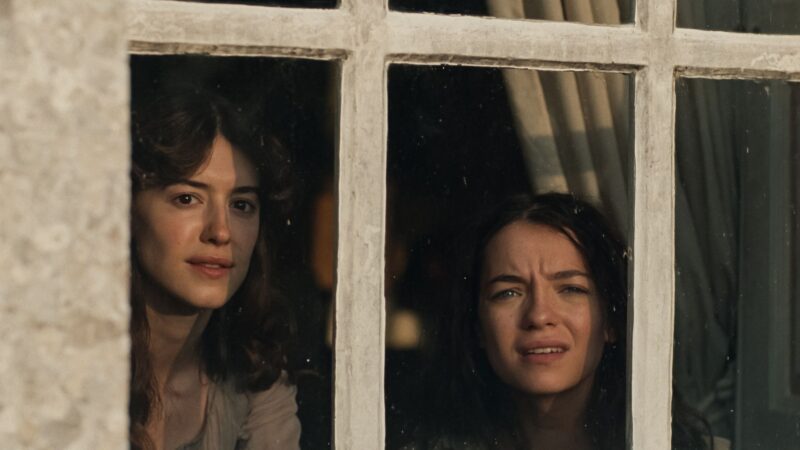
Rozważna i romantyczna
Akcja, osadzona w Anglii epoki georgiańskiej, podąża za losami zamożnego pana Dashwooda, który umiera, pozostawiając swoją drugą żonę oraz trzy córki w trudnej sytuacji finansow...
 18:15
SALA 1
Otwiera się w nowym oknie - Bilety24
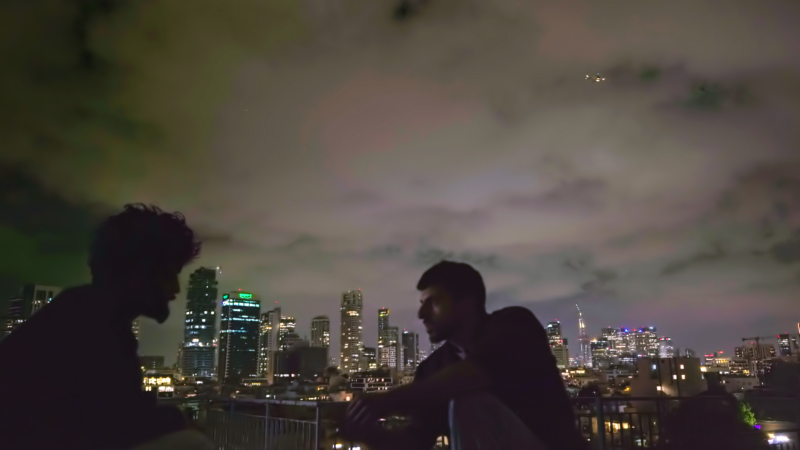
NAZA
Nocą, na dachach Tel Awiwu, z dala od oficjalnych komunikatów i kamer, byli i obecni członkowie izraelskich struktur wojskowych opowiadają o systemach, które współtworzyli.
18:45
SALA 1
Otwiera się w nowym oknie - Bilety24
Klara i słońce
Historia Klary, robota zasilanego energią słoneczną, stworzonego po to, by wspierać i towarzyszyć ludziom w ich codziennym życiu.
 19:00
SALA 1
Otwiera się w nowym oknie - Bilety24
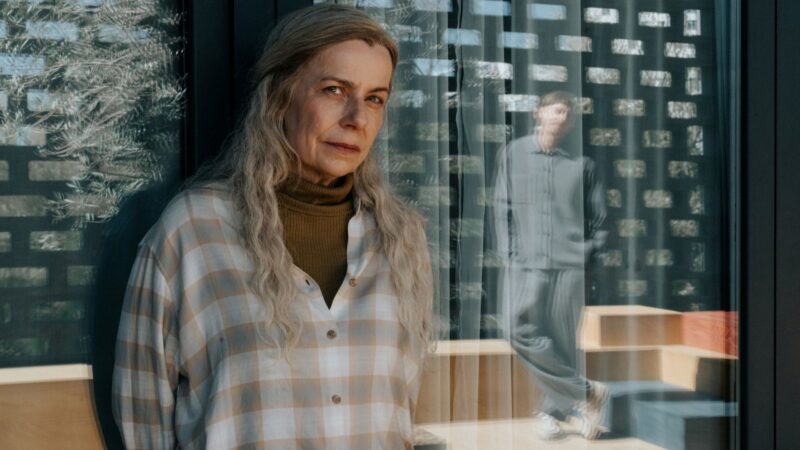
Czas, który nie nadszedł
Przyszłość jest teraz i nie ma w niej miejsca na starość, brzydotę i autentyczność. Pasujesz tu?
 20:00
SALA 1
Otwiera się w nowym oknie - Bilety24
Anatomia upadku
Mistrzowski thriller, w którym poszukiwanie odpowiedzi na pytanie czy zabiła? ogląda się jak pełną napięcia intrygę rodem z Zaginionej dziewczyny Davida Finchera.
21:00
SALA 1
Otwiera się w nowym oknie - Bilety24
Rozważna i romantyczna
Akcja, osadzona w Anglii epoki georgiańskiej, podąża za losami zamożnego pana Dashwooda, który umiera, pozostawiając swoją drugą żonę oraz trzy córki w trudnej sytuacji finansow...
 21:00
SALA 1
Otwiera się w nowym oknie - Bilety24
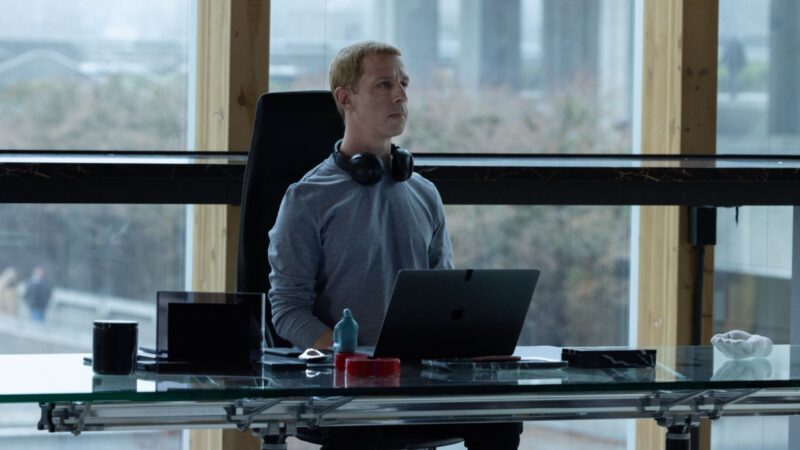
The Social Reckoning: W sieci konsekwencji
Opowieść o losach młodej inżynierki Facebooka, która we współpracy z reportem z „Wall Street Journal” – stara się ujawnić skryte tajemnice portalu społeczności...