Daleko od brzegu
Wielka Brytania
121’
W repertuarze

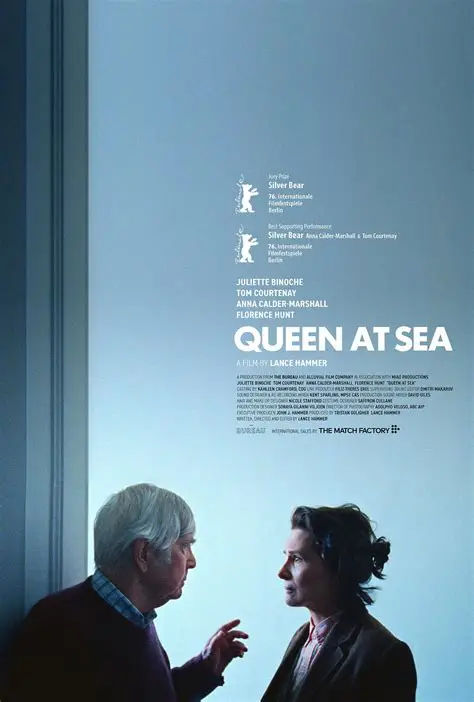
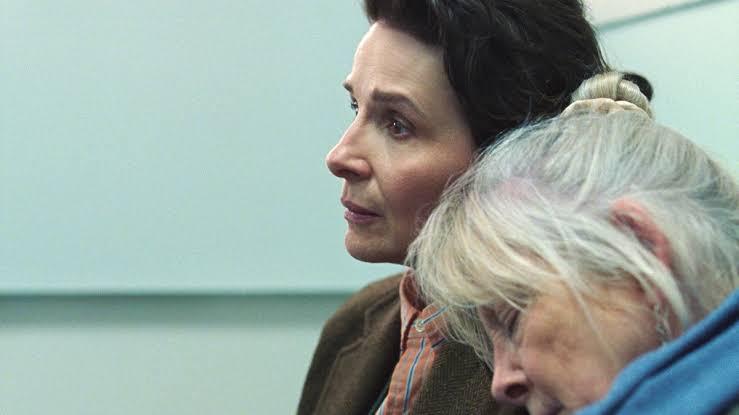
Lance Hammer doskonale wie, jak skupić uwagę widowni na swojej opowieści już od pierwszych minut. Podczas gdy wiele produkcji stara się przygotować dla nas emocjonalny rollercoaster w finale, reżyser DALEKO OD BRZEGU stawia na scenę otwierającą, która wwierca się w głowę i zostawia z pytaniem: „Dlaczego?” Całe szczęście Hammer to odpowiedzialny twórca, który po zszokowaniu widowni, skrupulatnie dokłada kolejne cegiełki narracyjne i eksploruje tkankę moralną trudnych zdarzeń w życiu rodziny Amandy (Juliette Binoche).
Kobieta regularnie odwiedza swoją matkę Leslie (Anna Calder-Marshall), która cierpi na bardzo zaawansowaną demencję. Nie jest jednak sama w roli opiekunki. Bardzo zaangażowany w dbanie o schorowaną kobietę jest również jej drugi mąż Martin (Tom Courtenay). Pewnego razu Amanda dokonuje odkrycia, które staje się kością niezgody pomiędzy nią a ojczymem. Wspólnie mierzą się z ogromnym dylematem moralnym, uniemożliwiającym odnalezienia łatwych odpowiedzi.
DALEKO OD BRZEGU jest pozornie wyciszonym, chłodnym filmem zanurzonym w ponurym londyńskim otoczeniu, co akcentują świetne zdjęcia Adolpha Veloso (SNY O POCIĄGACH). Jednak spod tej warstwy wizualnej wydobywają się błagania o odnalezienie recepty na niewyobrażalnie ciężką chorobę. Hammer, który w wyniku obszernych poszukiwań historii o członkach rodzin cierpiących na demencję, decyduje się, aby pozostać nieoceniającym obserwatorem bez roszczeń do deklarowania kategorycznego stanowiska. Jest świadomy złożoności problemu odczytywania potrzeb osób, które straciły umiejętność komunikowania swoich uczuć i granic, a jednocześnie rozumie potrzebę bliskości i okazywania miłości choremu. Dzięki drugoplanowym rolom Courtenaya i Calder-Marshall (nagrodzeni Srebrnym Niedźwiedziem na Berlinale) ta refleksja przybiera na naszych oczach w siłę.
EN
Lance Hammer knows exactly how to seize the audience’s attention from the very first minutes. While many films save their emotional rollercoaster for the finale, the director of QUEEN AT SEA opens with a scene that lodges itself in the mind and leaves us with a single question: why? Thankfully, Hammer is a responsible filmmaker. Having shaken the audience, he painstakingly begins to fill in the narrative gaps, probing the moral fabric of the difficult events unfolding within Amanda’s (Juliette Binoche) family.
Amanda regularly visits her mother Leslie (Anna Calder-Marshall), who is living with advanced dementia. However, she is not the only person caring for her. Leslie’s second husband, Martin (Tom Courtenay), is equally devoted to looking after her. One day, Amanda makes a discovery that drives a wedge between her and her stepfather. They must face a significant moral dilemma without easy answers.
On the surface, QUEEN AT SEA is a restrained, coolly observed film steeped in the gloom of its London setting, captured in Adolpho Veloso’s superb cinematography (TRAIN DREAMS). Beneath that visual austerity, however, lies a desperate search for some way of grappling with an unimaginably cruel illness. Having carried out extensive research into the experiences of families affected by dementia, Hammer chooses to remain a non-judgemental observer rather than impose a categorical position of his own. He recognises the complexity of interpreting the needs of people who have lost the ability to communicate their feelings and boundaries, while also understanding the human need for closeness and for expressing love towards someone who is ill.
Thanks to the supporting performances of Courtenay and Calder-Marshall, both of whom received the Silver Bear at the Berlinale, this reflection gains ever greater emotional force before our eyes.
Kadry

Jeszcze dziś
 15:45
SALA 1
Otwiera się w nowym oknie - Bilety24
Lalka
Dzieło Prusa od blisko 140 lat rozpala emocje i wyobraźnię kolejnych pokoleń. Teraz ta ponadczasowa historia trafia na wielki ekran w nowej, spektakularnej, filmowej odsłonie.
 16:00
SALA 1
Otwiera się w nowym oknie - Bilety24
Klara i słońce
Historia Klary, robota zasilanego energią słoneczną, stworzonego po to, by wspierać i towarzyszyć ludziom w ich codziennym życiu.
 16:30
SALA 1
Otwiera się w nowym oknie - Bilety24
Rozważna i romantyczna
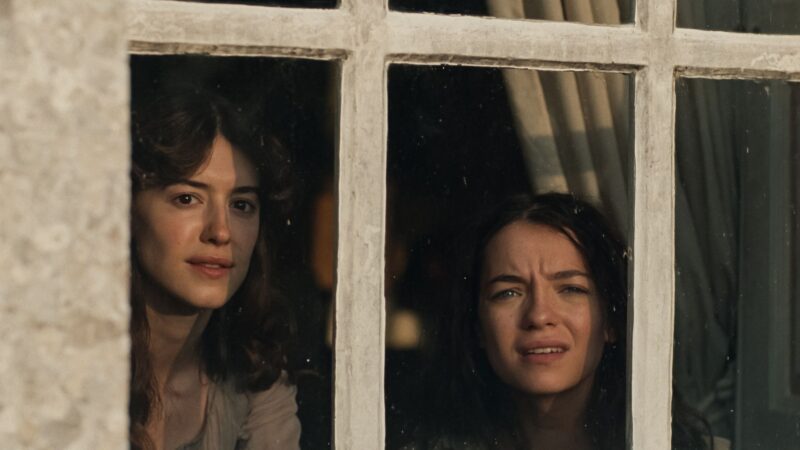
Akcja, osadzona w Anglii epoki georgiańskiej, podąża za losami zamożnego pana Dashwooda, który umiera, pozostawiając swoją drugą żonę oraz trzy córki w trudnej sytuacji finansow...
 18:15
SALA 1
Otwiera się w nowym oknie - Bilety24
NAZA
Nocą, na dachach Tel Awiwu, z dala od oficjalnych komunikatów i kamer, byli i obecni członkowie izraelskich struktur wojskowych opowiadają o systemach, które współtworzyli.
18:45
SALA 1
Otwiera się w nowym oknie - Bilety24
Klara i słońce
Historia Klary, robota zasilanego energią słoneczną, stworzonego po to, by wspierać i towarzyszyć ludziom w ich codziennym życiu.
 19:00
SALA 1
Otwiera się w nowym oknie - Bilety24
Czas, który nie nadszedł
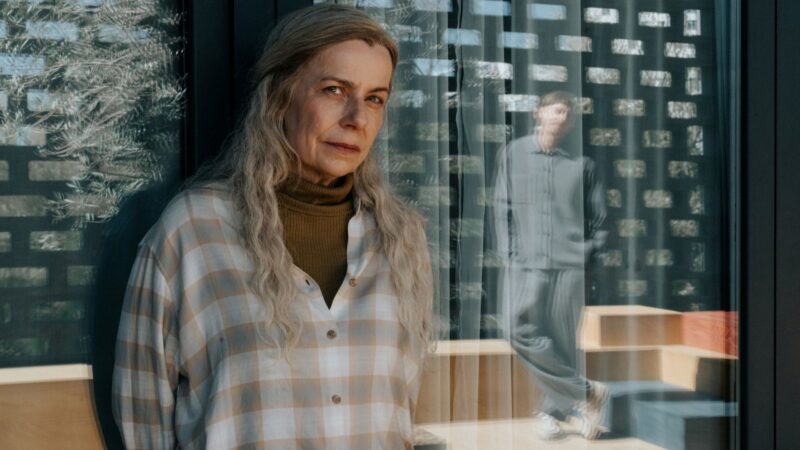
Przyszłość jest teraz i nie ma w niej miejsca na starość, brzydotę i autentyczność. Pasujesz tu?
 20:00
SALA 1
Otwiera się w nowym oknie - Bilety24
Anatomia upadku
Mistrzowski thriller, w którym poszukiwanie odpowiedzi na pytanie czy zabiła? ogląda się jak pełną napięcia intrygę rodem z Zaginionej dziewczyny Davida Finchera.
21:00
SALA 1
Otwiera się w nowym oknie - Bilety24
Rozważna i romantyczna
Akcja, osadzona w Anglii epoki georgiańskiej, podąża za losami zamożnego pana Dashwooda, który umiera, pozostawiając swoją drugą żonę oraz trzy córki w trudnej sytuacji finansow...
 21:00
SALA 1
Otwiera się w nowym oknie - Bilety24
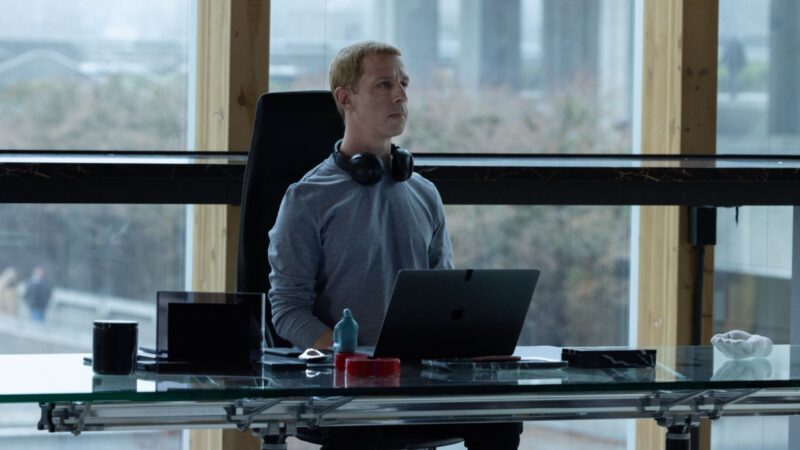
The Social Reckoning: W sieci konsekwencji
Opowieść o losach młodej inżynierki Facebooka, która we współpracy z reportem z „Wall Street Journal” – stara się ujawnić skryte tajemnice portalu społeczności...
