Burn!

Francja, Włochy
112’
W repertuarze

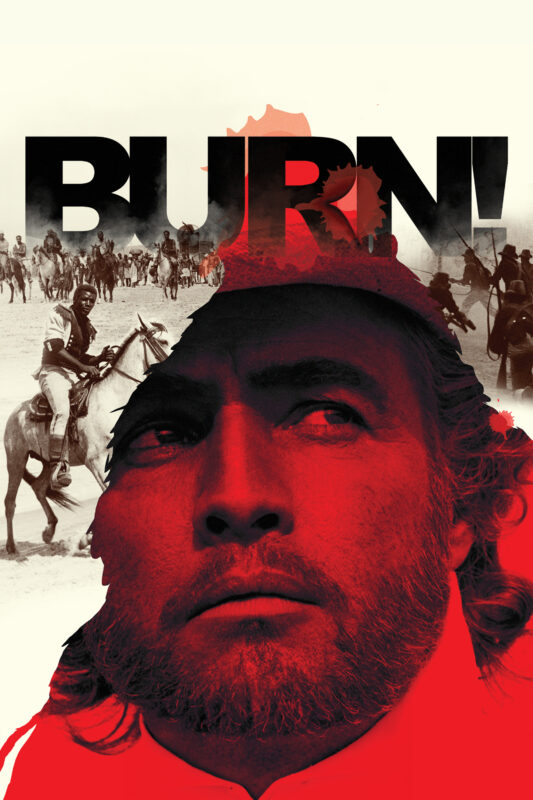
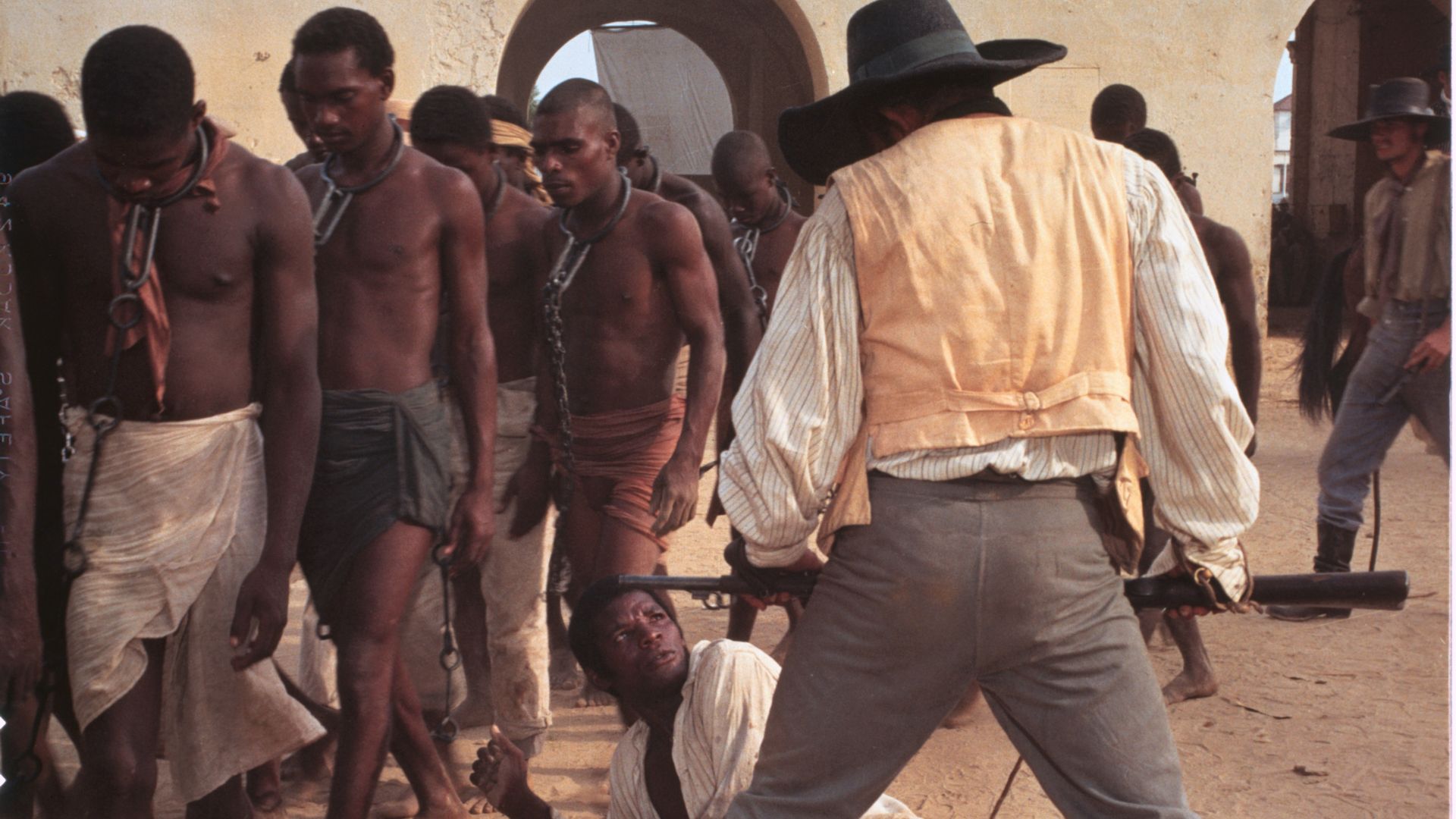
Queimada – tak brzmi oryginalny tytuł filmu – to nazwa filmowej (fikcyjnej) wyspy na Antylach, skolonizowanej przez Portugalczyków. Nazwa ta oznacza tyle, co „spalona” – bo w ten właśnie sposób kolonizatorzy pozbyli się miejscowych wiosek i jej mieszkańców, by sprowadzić niewolników i rozpocząć plantacyjną eksploatację. Jest połowa XIX w., na wyspę przybywa William Walker, najęty przez Koronę Brytyjską agent, którego zadaniem będzie zradykalizowanie zniewolonych i wzniecenie powstania – to pozwoli zręcznie wyeliminować Portugalczyków i przejęcie plantacji.
Epicki film Gilla Pontecorvo, włoskiego reżysera uznawanego za jednego z najważniejszych twórców zaangażowanego kina politycznego, jest jednocześnie dramatem kostiumowym, filmem akcji i przenikliwym traktatem na temat kolonializmu. Mechanizmy zniewolenia, manipulacji i eksploatacji są tu przedstawione klarownie i wprost, uderzając swoją aktualnością. Choć BURN! Nie jest filmem historycznym, a opowieść fikcyjna, można go potraktować jako wierny obraz rzeczywistości, o której mówi. W czasie, gdy powstał, traktowano go także jako mocny komentarz na temat toczącej się wojny w Wietnamie.
Udział Marlona Brando w tym filmowym przedsięwzięciu w nieoczywisty sposób wzmacnia wymowę filmu. Jego bohater zdaje się być jednocześnie cynikiem i ideowcem, jest na wskroś współczesny, komplikuje sensy, wypychając film poza granice kina przygodowego. Ujawnione przez niego dyskryminacyjne zachowania wobec aktorów dodały jeszcze kontrowersji, wpisując BURN! w dyskurs, który sam film piętnował.
EN
The film’s original title is the name of the fictional Caribbean island on which the story takes place, colonised by the Portuguese. The name translates as ‘burnt’ – a reference to the way the colonisers razed local villages and disposed of their inhabitants to bring in enslaved people and begin exploiting the island through plantation agriculture. In the mid-19th century, William Walker arrives on the island as an agent hired by the British Crown. His task is to radicalise the enslaved population and foment an uprising – a move designed to oust the Portuguese and enable the plantations to be taken over.
This epic film by Gillo Pontecorvo, the Italian director regarded as one of the foremost figures in politically engaged cinema, is at once a period drama, an action film, and an incisive treatise on colonialism. The mechanisms of subjugation, manipulation, and exploitation are laid bare with striking clarity and directness, and their relevance to the present day is hard to miss. Although BURN! is not a historical film and its story is fictional, it can be seen as a faithful reflection of the reality it depicts. At the time of its release, it was also regarded as a powerful commentary on the ongoing war in Vietnam.
Marlon Brando’s involvement in this film project subtly enhances the film’s impact. His character appears to be both a cynic and an idealist; he is thoroughly contemporary, complicating the film’s meanings and pushing it beyond the boundaries of the adventure genre. The discriminatory behaviour towards actors that he revealed added further controversy, placing BURN! within the very discourse that the film itself condemned.
Kadry

Jeszcze dziś
 15:45
SALA 1
Otwiera się w nowym oknie - Bilety24
Lalka
Dzieło Prusa od blisko 140 lat rozpala emocje i wyobraźnię kolejnych pokoleń. Teraz ta ponadczasowa historia trafia na wielki ekran w nowej, spektakularnej, filmowej odsłonie.
 16:00
SALA 1
Otwiera się w nowym oknie - Bilety24
Klara i słońce
Historia Klary, robota zasilanego energią słoneczną, stworzonego po to, by wspierać i towarzyszyć ludziom w ich codziennym życiu.
 16:30
SALA 1
Otwiera się w nowym oknie - Bilety24
Rozważna i romantyczna
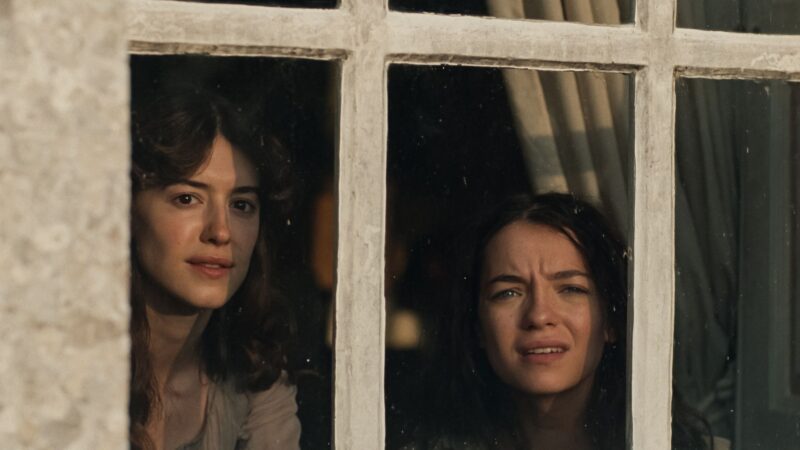
Akcja, osadzona w Anglii epoki georgiańskiej, podąża za losami zamożnego pana Dashwooda, który umiera, pozostawiając swoją drugą żonę oraz trzy córki w trudnej sytuacji finansow...
 18:15
SALA 1
Otwiera się w nowym oknie - Bilety24
NAZA
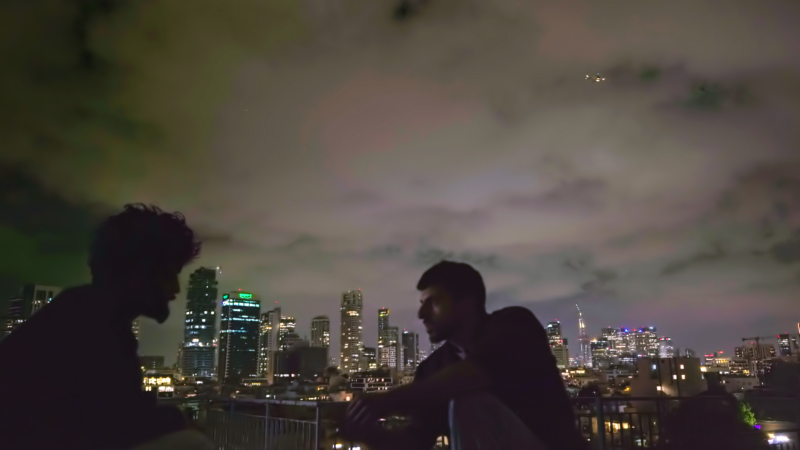
Nocą, na dachach Tel Awiwu, z dala od oficjalnych komunikatów i kamer, byli i obecni członkowie izraelskich struktur wojskowych opowiadają o systemach, które współtworzyli.
18:45
SALA 1
Otwiera się w nowym oknie - Bilety24
Klara i słońce
Historia Klary, robota zasilanego energią słoneczną, stworzonego po to, by wspierać i towarzyszyć ludziom w ich codziennym życiu.
 19:00
SALA 1
Otwiera się w nowym oknie - Bilety24
Czas, który nie nadszedł
Przyszłość jest teraz i nie ma w niej miejsca na starość, brzydotę i autentyczność. Pasujesz tu?
 20:00
SALA 1
Otwiera się w nowym oknie - Bilety24
Anatomia upadku
Mistrzowski thriller, w którym poszukiwanie odpowiedzi na pytanie czy zabiła? ogląda się jak pełną napięcia intrygę rodem z Zaginionej dziewczyny Davida Finchera.
21:00
SALA 1
Otwiera się w nowym oknie - Bilety24
Rozważna i romantyczna
Akcja, osadzona w Anglii epoki georgiańskiej, podąża za losami zamożnego pana Dashwooda, który umiera, pozostawiając swoją drugą żonę oraz trzy córki w trudnej sytuacji finansow...
 21:00
SALA 1
Otwiera się w nowym oknie - Bilety24
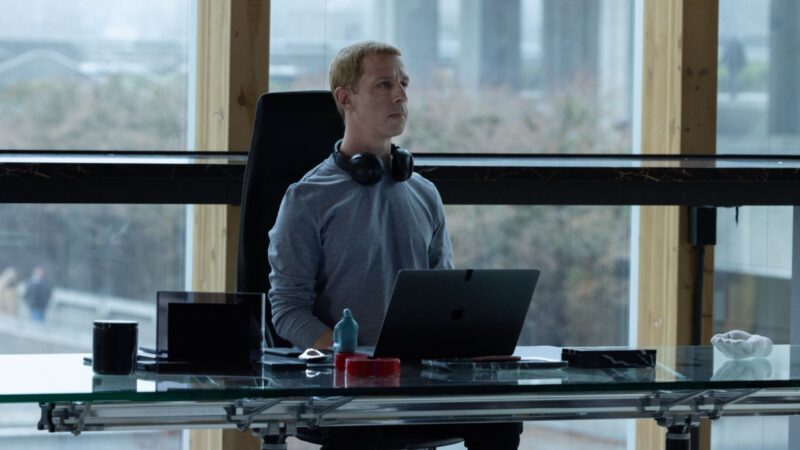
The Social Reckoning: W sieci konsekwencji
Opowieść o losach młodej inżynierki Facebooka, która we współpracy z reportem z „Wall Street Journal” – stara się ujawnić skryte tajemnice portalu społeczności...