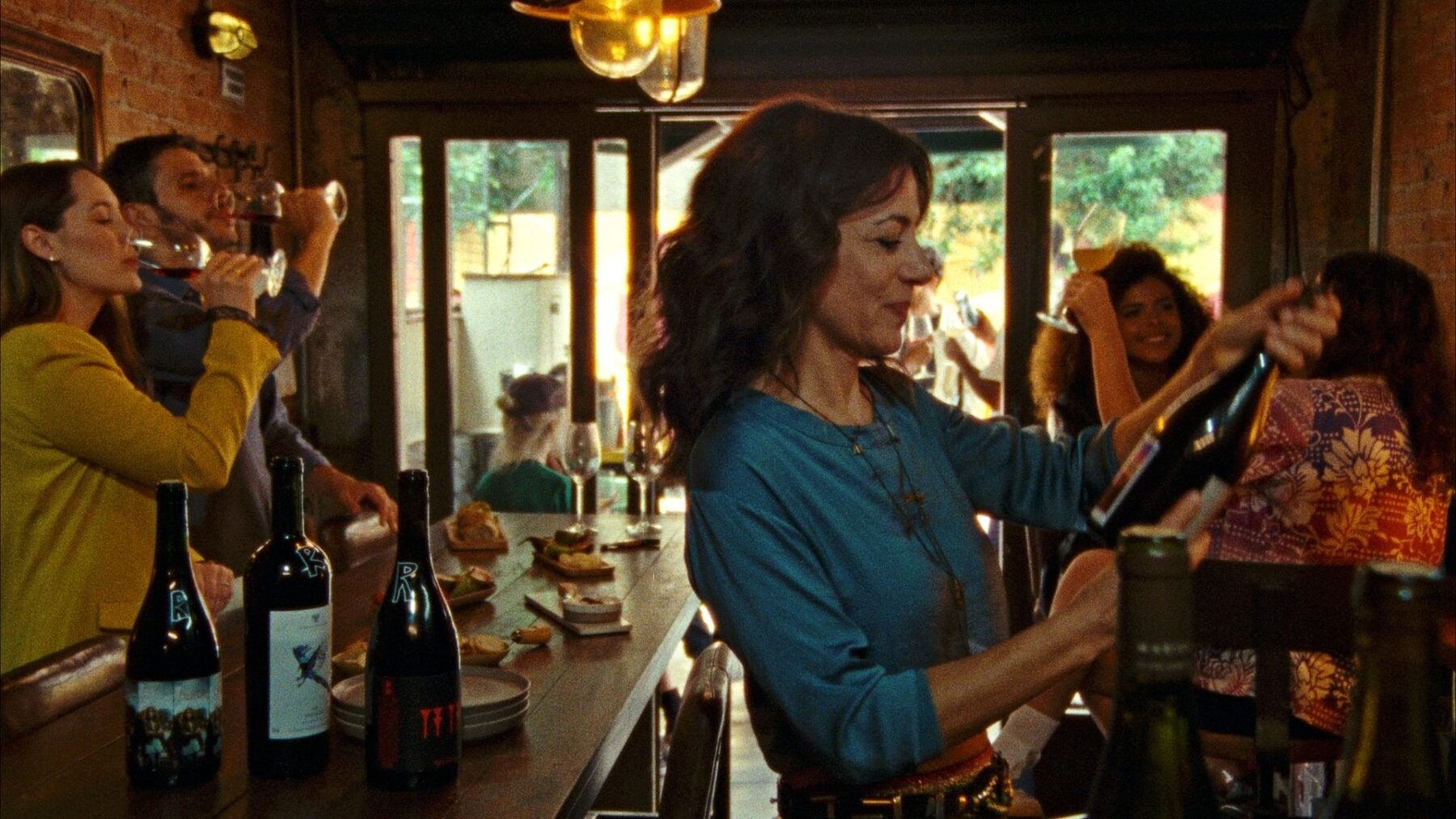
Czarny narcyz
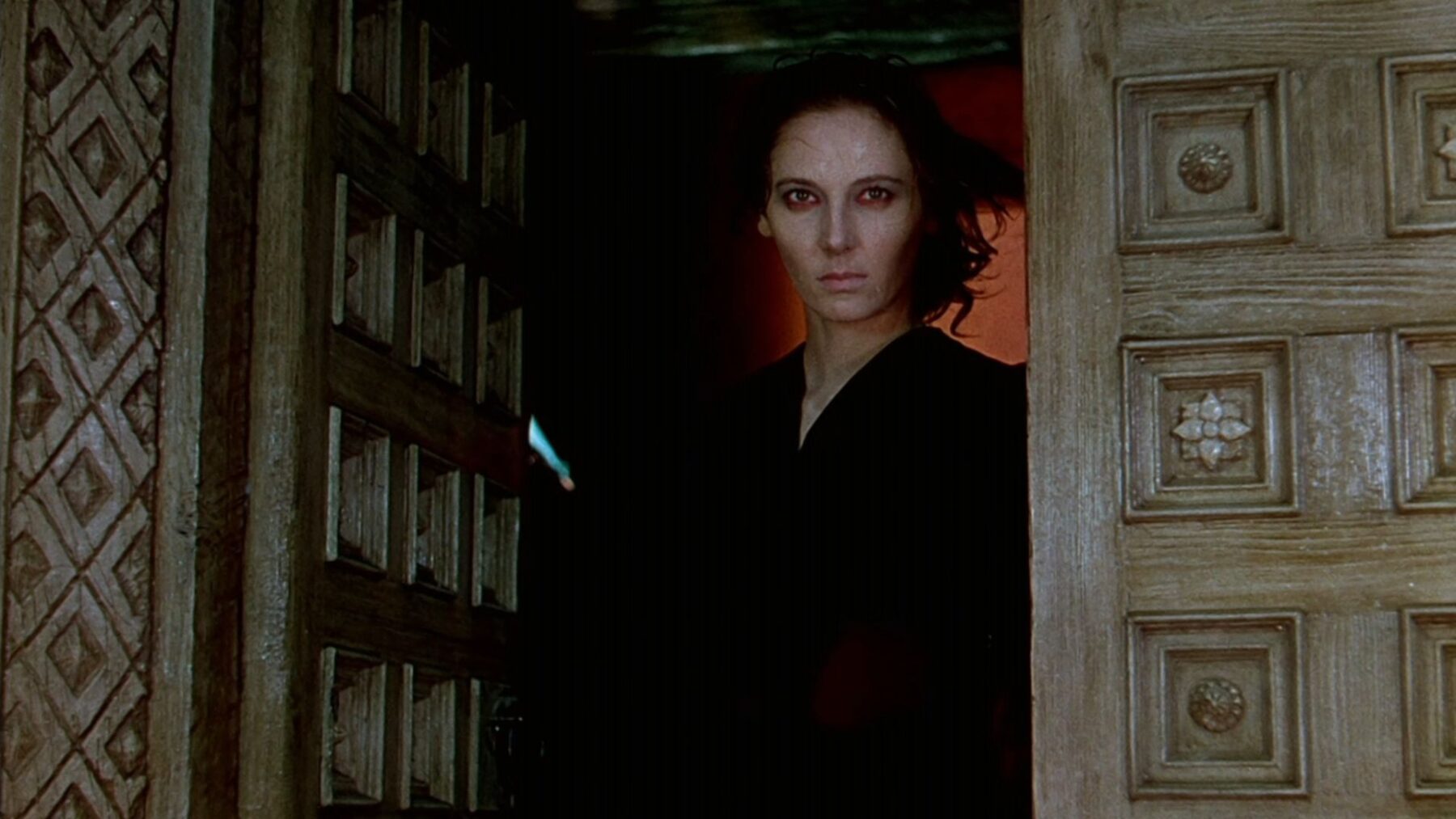
Wielka Brytania
102’
W repertuarze

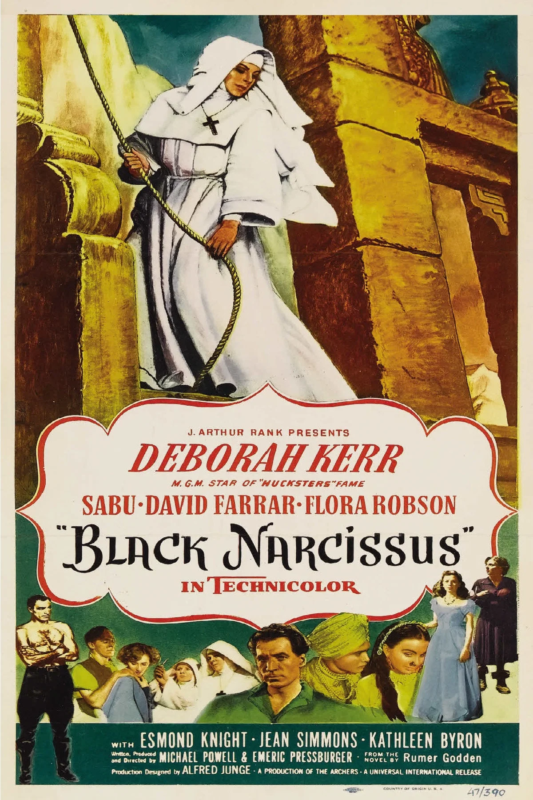
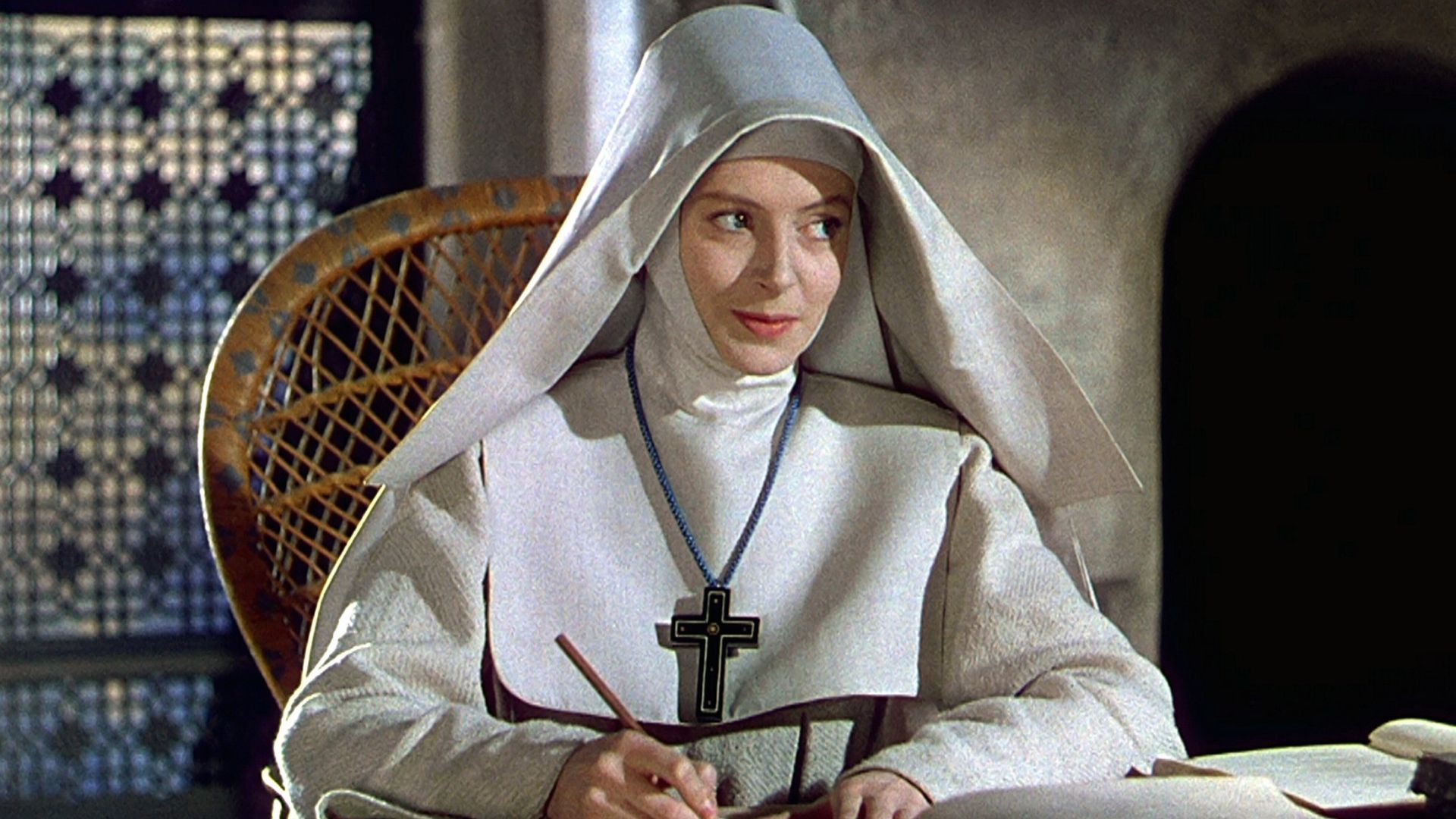
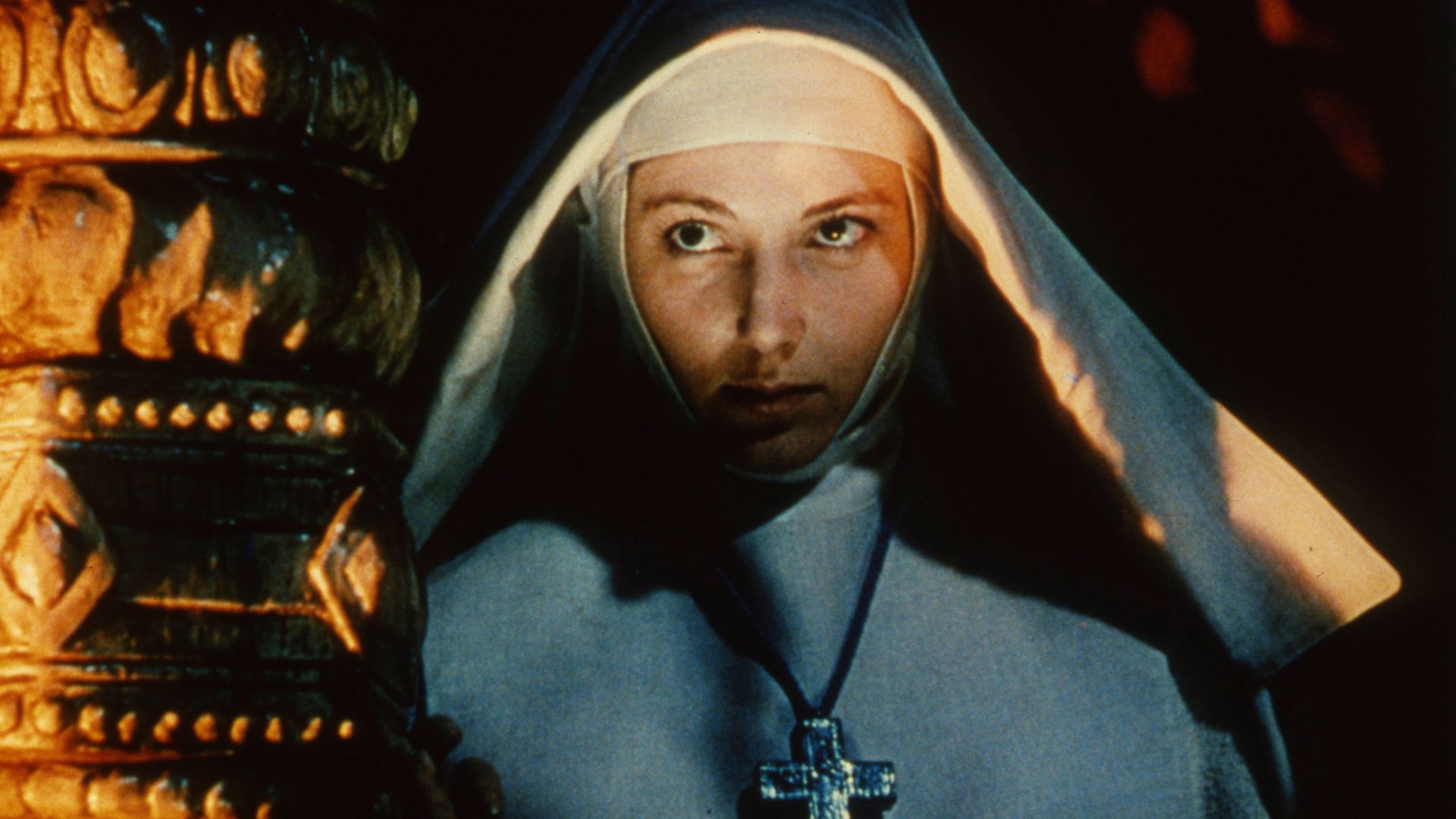
Grupa anglikańskich zakonnic pod przewodnictwem siostry Clodagh zajmuje niegdysiejszy harem na jednej z gór w Himalajach, by założyć szkołę i szpital dla miejscowej ludności. Przyjmuje je i roztacza nad nimi opiekę pan Dean, brytyjski agent stacjonujący w miasteczku. Misja nie jest jednak łatwym zadaniem – okoliczni mieszkańcy nie ufają zakonnicom, klimat rozstraja, nie pozwalając się skupić na pracy i modlitwie. W każdej z sióstr budzą się lub odżywają nieokiełznane żądze. Gmach czystości, pokory i równowagi zaczyna się rozpadać.
CZARNY NARCYZ powstał w 1947 roku. Powell i Pressburger – słynny duet „Łuczników” –– twórcy wówczas już bardzo uznani, zrealizowali swój film w czasie, gdy Indie uzyskały niepodległość (a Wielka Brytania straciła najważniejszą z kolonii), a także, co równie istotnie, kiedy dokonał się krwawy podział na Indie i Pakistan. Fabuła nie nawiązuje do żadnego z tych wydarzeń, a jednak świadomość przełomu określa odczytanie filmu.
Powell i Pressburger zrealizowali film psychologiczny o bardzo sugestywnym ładunku erotycznym (wedle ówczesnych standardów), a jednak trudno oprzeć się wrażeniu, że CZARNY NARCYZ stanowi refleksję o fantazmatycznej naturze kolonialnego uwikłania. Indie są przedstawione jako kraj poza cywilizacją, świat atawizmów i pierwotnych instynktów. Mieszkańcy są „jak dzieci” – prymitywni i nieoświeceni. Intensywność tej dzikości – niczym kuszący siostry zapach perfum o nazwie Czarny Narcyz – hipnotyzuje kobiety z zakonu, pozbawiając je zdrowego rozsądku, który powinien przecież być przymiotem brytyjskiej władzy.
EN
A group of Anglican nuns, led by Sister Clodagh, take over a former harem high in the Himalayas, where they set out to establish a school and hospital for the local community.
They are welcomed and looked after by Mr Dean, a British agent stationed in the town. However, the mission is no easy task – the residents do not trust the nuns, and the climate is unsettling, preventing them from concentrating on their work and prayers. Unruly desires awaken or resurface in each of the sisters. The edifice of purity, humility and balance begins to crumble.
The BLACK NARCISSUS was made in 1947. Powell and Pressburger – the famous duo known as ‘The Archers’ – were already highly acclaimed filmmakers at the time, made their film at a time when India gained independence (and Britain was losing the most important of its colonies), and, just as significantly, when the bloody partition of India and Pakistan took place. The plot does not refer to either event, yet an awareness of this turning point shapes the way the film is interpreted.
Powell and Pressburger made a psychological film with a highly evocative erotic undertone (by the standards of the time), and yet it is hard to shake off the impression that BLACK NARCISSUS is a reflection on the phantasmal nature of colonial entanglement. India is portrayed as a country beyond the bounds of civilisation, a world of atavism and primal instincts. The inhabitants are ‘like children’ – primitive and unenlightened. The intensity of this wildness – like the seductive scent of the perfume called ‚Black Narcissus’ that tempts the sisters – exerts a hypnotic pull over the nuns. It robs them of the sound judgement that ought, after all, to be a hallmark of British rule.
Kadry
Jeszcze dziś
 18:15
SALA 1
Otwiera się w nowym oknie - Bilety24
NAZA
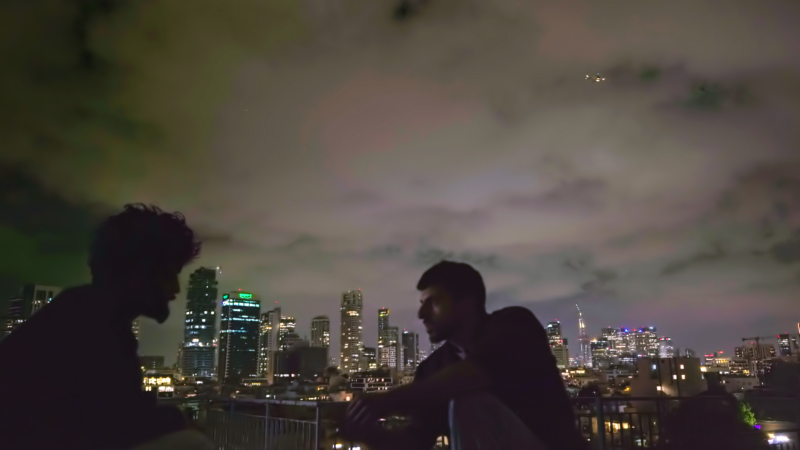
Nocą, na dachach Tel Awiwu, z dala od oficjalnych komunikatów i kamer, byli i obecni członkowie izraelskich struktur wojskowych opowiadają o systemach, które współtworzyli.
 18:45
SALA 1
Otwiera się w nowym oknie - Bilety24
Klara i słońce
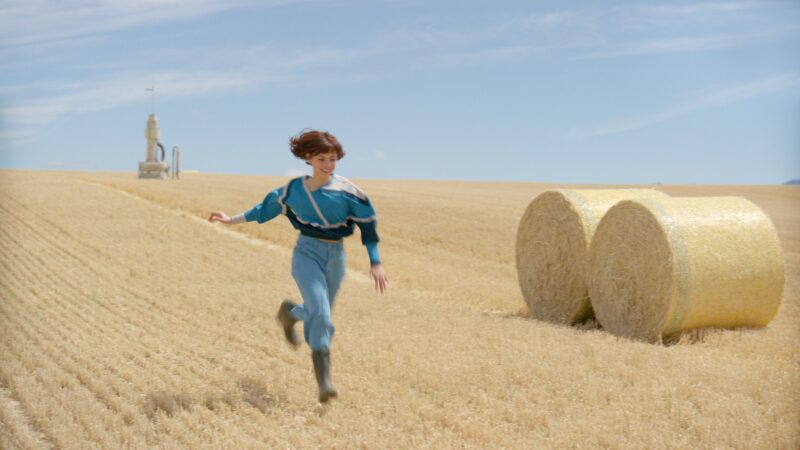
Historia Klary, robota zasilanego energią słoneczną, stworzonego po to, by wspierać i towarzyszyć ludziom w ich codziennym życiu.
 19:00
SALA 1
Otwiera się w nowym oknie - Bilety24
Czas, który nie nadszedł
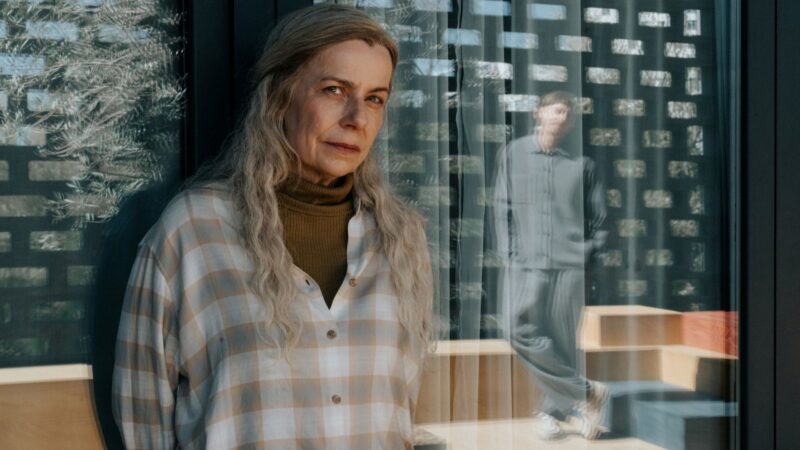
Przyszłość jest teraz i nie ma w niej miejsca na starość, brzydotę i autentyczność. Pasujesz tu?
 20:00
SALA 1
Otwiera się w nowym oknie - Bilety24
Anatomia upadku
Mistrzowski thriller, w którym poszukiwanie odpowiedzi na pytanie czy zabiła? ogląda się jak pełną napięcia intrygę rodem z Zaginionej dziewczyny Davida Finchera.
 21:00
SALA 1
Otwiera się w nowym oknie - Bilety24
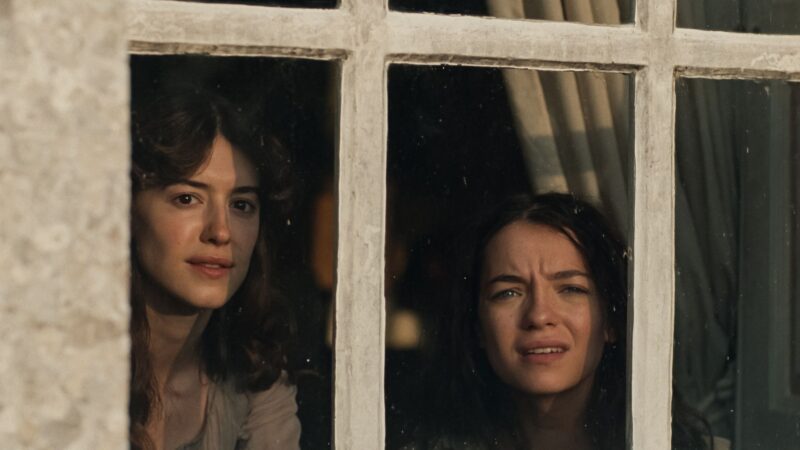
Rozważna i romantyczna
Akcja, osadzona w Anglii epoki georgiańskiej, podąża za losami zamożnego pana Dashwooda, który umiera, pozostawiając swoją drugą żonę oraz trzy córki w trudnej sytuacji finansow...
 21:00
SALA 1
Otwiera się w nowym oknie - Bilety24
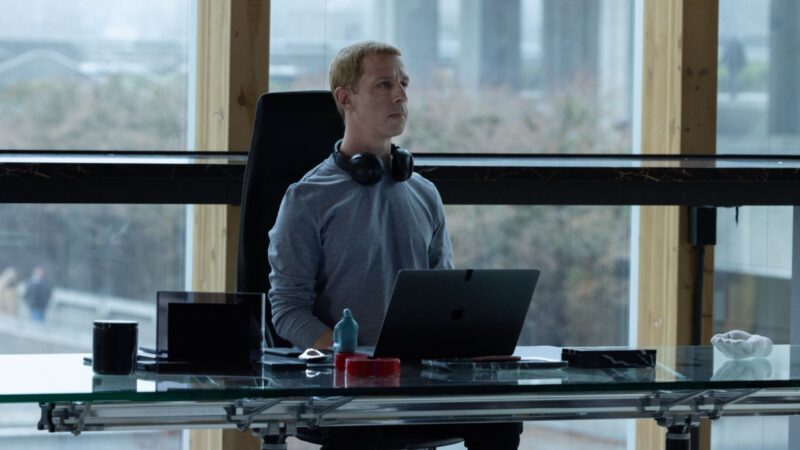
The Social Reckoning: W sieci konsekwencji
Opowieść o losach młodej inżynierki Facebooka, która we współpracy z reportem z „Wall Street Journal” – stara się ujawnić skryte tajemnice portalu społeczności...