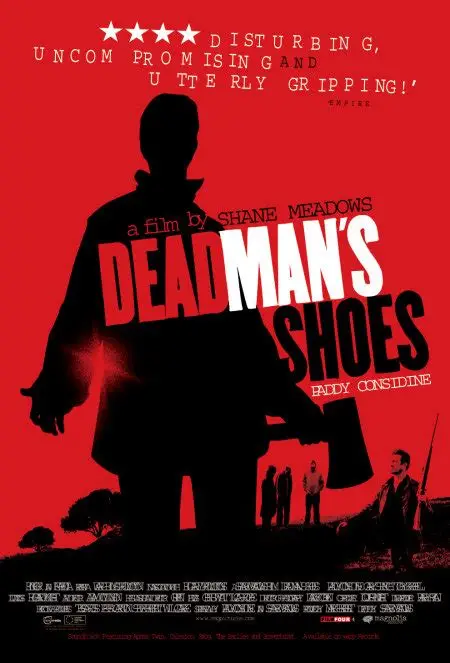
Buty nieboszczyka
Wielka Brytania
87’
W repertuarze

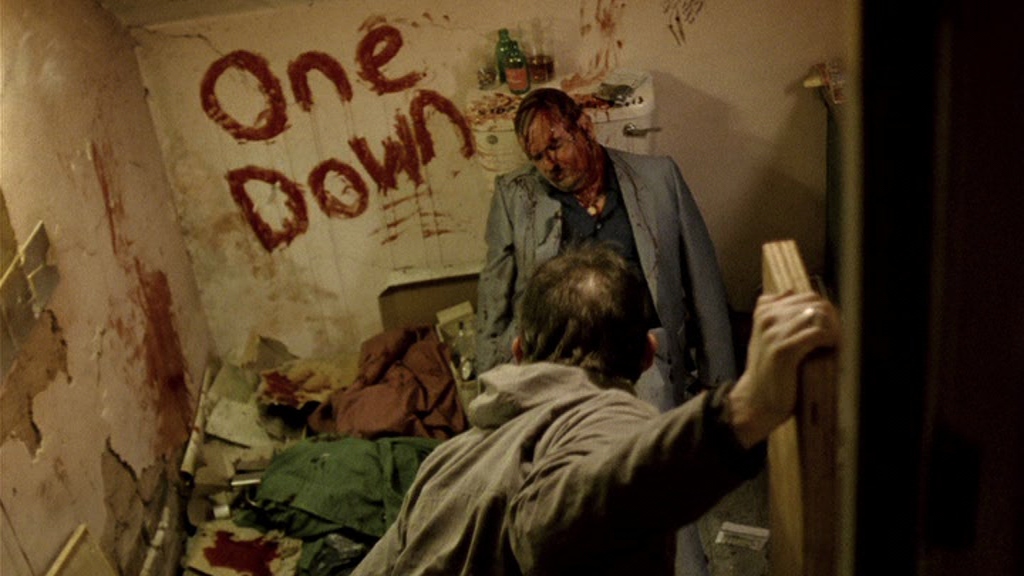
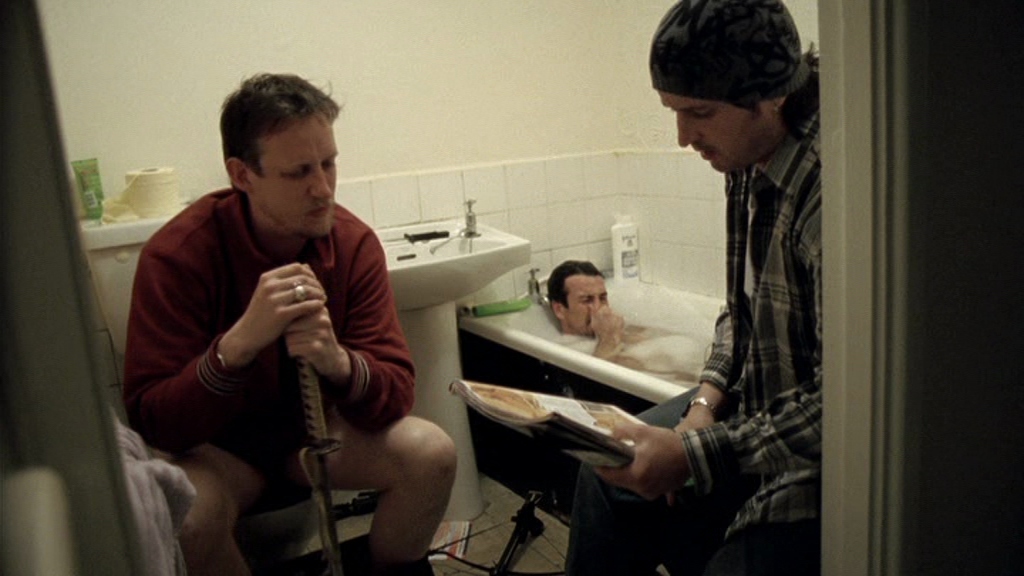
Do małego miasteczka w hrabstwie Derbyshire wraca po latach Richard, były żołnierz. Towarzyszy mu młodszy, niepełnosprawny intelektualnie brat Anthony. Richard zaczyna po kolei odwiedzać lokalnych dilerów, z którymi Anthony zadawał się, gdy nie było komu go pilnować. Na początku tylko ich obserwuje. Potem zaczyna straszyć. A potem robi się naprawdę nieprzyjemnie.
BUTY NIEBOSZCZYKA to pierwszy pełny metraż wytwórni Warp Films – filmowej odnogi legendarnej wytwórni płytowej Warp Records odpowiedzialnej za sukces Aphex Twin i Boards of Canada. Siedemset tysięcy funtów budżetu, trzy tygodnie zdjęć w Matlock i okolicznych miasteczkach, cała ekipa podróżująca jednym minibusem i scenariusz, który właściwie nie istniał: reżyser Shane Meadows i współautor Paddy Considine mieli szkic fabuły, a dialogi w większości powstawały na planie. Toby Kebbell, dziś rozpoznawalny aktor, trafił do obsady w ostatnim tygodniu zdjęć i zagrał w tym filmie swoją pierwszą w życiu rolę.
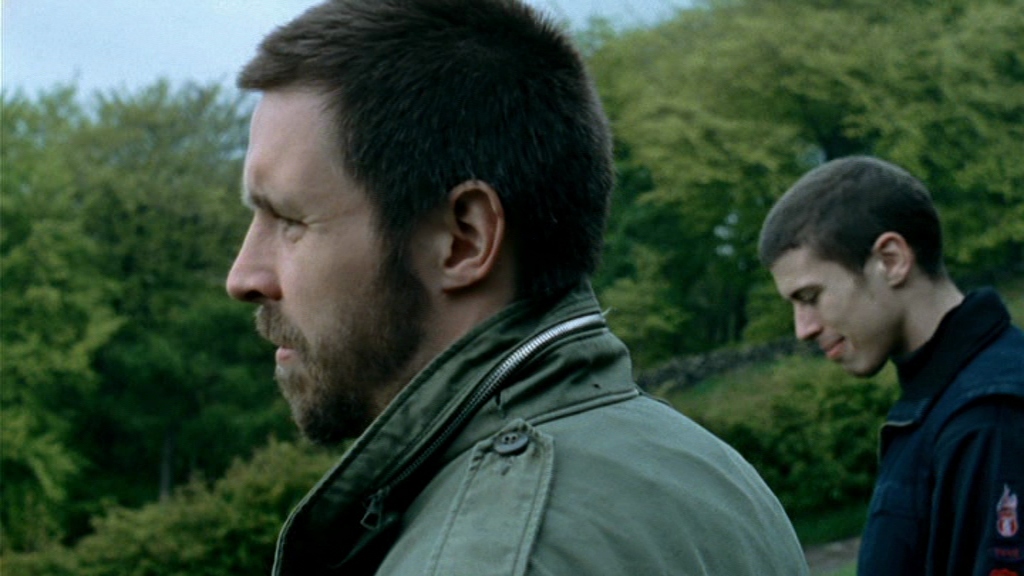
BUTY NIEBOSZCZYKA to prawdopodobnie jedyne w historii kina połączenie brytyjskiego realizmu społecznego ze spaghetti westernem i slasherem: obcy przyjeżdża do małego miasteczka, w którym wszyscy znają prawdę, ale nikt nie zamierza o tym mówić. Considine gra Richarda jak chodzącą zjawę, a przez część filmu porusza się w masce przeciwgazowej i wojskowym płaszczu. Ścieżka dźwiękowa, złożona z nagrań Aphex Twina, Calexico i M. Warda, jest zaskakująco liryczna, co tylko podbija wrażenie, że oglądamy nie tyle thriller, ile okrutny film o żałobie.
Bo choć BUTY NIEBOSZCZYKA formalnie są filmem o zemście, Meadows odchodzi daleko od prostych fabuł w rodzaju ŻYCZENIA ŚMIERCI i pozbawia widza satysfakcji. Vendetta jest w jego filmie smutna i mechaniczna, a odegranie się na sprawcach zła nie przynosi ukojenia.
EN
A small town in Derbyshire. Richard, a former soldier, returns after years away, accompanied by his younger brother Anthony, who has an intellectual disability. One by one, Richard starts paying visits to the local dealers Anthony used to hang around with when there was no one looking out for him. At first, he simply watches them. Then he starts making threats. And then things turn really nasty.
DEAD MAN’S SHOES was the first feature-length production from Warp Films, the film offshoot of the legendary record label Warp Records, which helped propel Aphex Twin and Boards of Canada to success. A £700,000 budget, three weeks of shooting in Matlock and the surrounding towns, the entire crew travelling in a single minibus – and a script that barely existed: director Shane Meadows and co-writer Paddy Considine had an outline of the story, while most of the dialogue was worked out on set. Toby Kebbell, now a familiar face, joined the cast in the final week of filming and made his screen debut in the film.
DEAD MAN’S SHOES is quite possibly the only film in cinema history to combine British social realism with the spaghetti western and the slasher: a stranger rides into a small town where everyone knows the truth, but no one is prepared to talk about it. Considine plays Richard like a walking ghost, spending part of the film roaming around in a gas mask and military coat. The soundtrack, featuring tracks by Aphex Twin, Calexico, and M. Ward, is unexpectedly lyrical, only heightening the sense that what we are watching is less a thriller than a brutal film about grief.
Because although DEAD MAN’S SHOES is, formally, a revenge film, Meadows moves far beyond the straightforward narratives of films such as DEATH WISH and denies the audience the satisfaction they might expect. Vengeance here is bleak and mechanical, and taking revenge on those responsible brings no solace.
Kadry
Jeszcze dziś
 18:15
SALA 1
Otwiera się w nowym oknie - Bilety24
NAZA
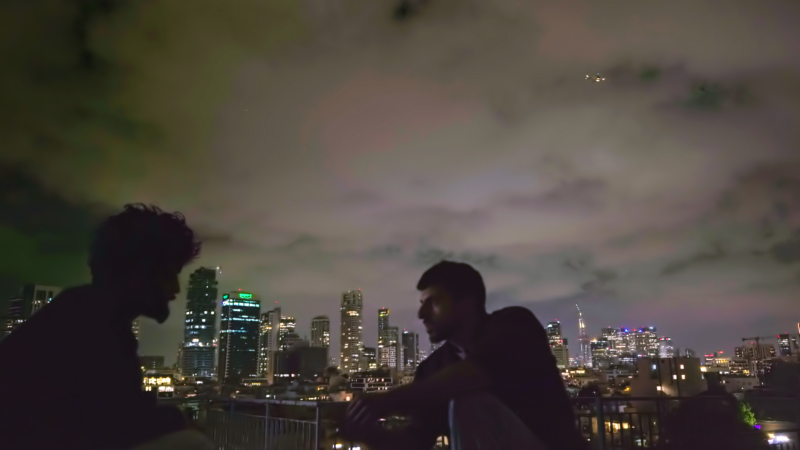
Nocą, na dachach Tel Awiwu, z dala od oficjalnych komunikatów i kamer, byli i obecni członkowie izraelskich struktur wojskowych opowiadają o systemach, które współtworzyli.
 18:45
SALA 1
Otwiera się w nowym oknie - Bilety24
Klara i słońce
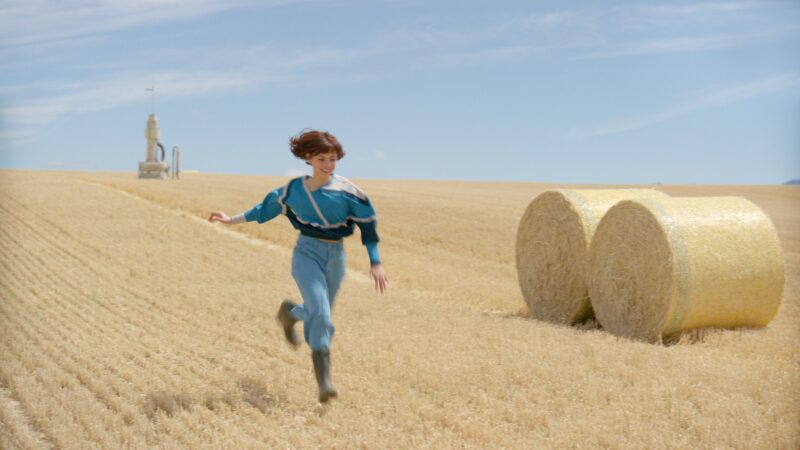
Historia Klary, robota zasilanego energią słoneczną, stworzonego po to, by wspierać i towarzyszyć ludziom w ich codziennym życiu.
 19:00
SALA 1
Otwiera się w nowym oknie - Bilety24
Czas, który nie nadszedł
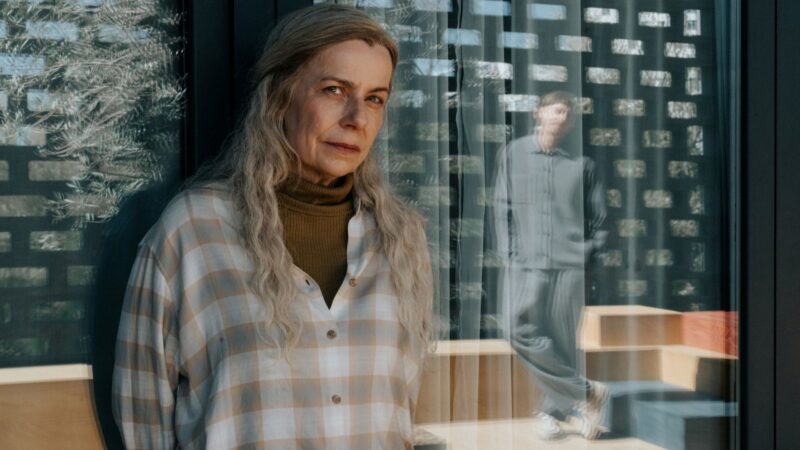
Przyszłość jest teraz i nie ma w niej miejsca na starość, brzydotę i autentyczność. Pasujesz tu?
 20:00
SALA 1
Otwiera się w nowym oknie - Bilety24
Anatomia upadku
Mistrzowski thriller, w którym poszukiwanie odpowiedzi na pytanie czy zabiła? ogląda się jak pełną napięcia intrygę rodem z Zaginionej dziewczyny Davida Finchera.
 21:00
SALA 1
Otwiera się w nowym oknie - Bilety24
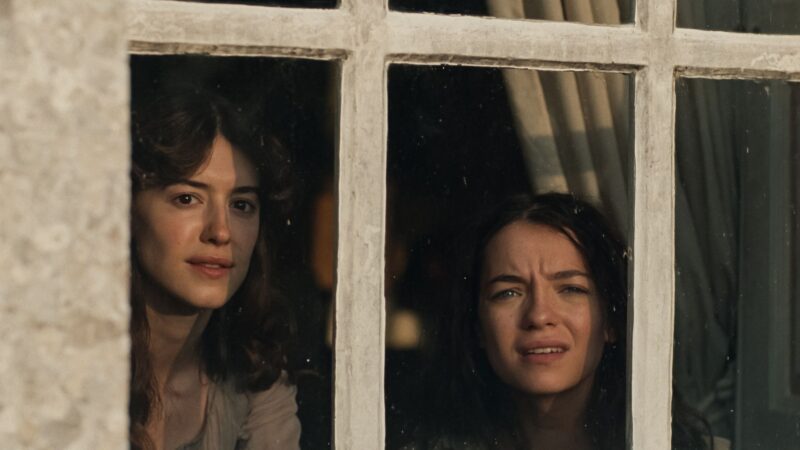
Rozważna i romantyczna
Akcja, osadzona w Anglii epoki georgiańskiej, podąża za losami zamożnego pana Dashwooda, który umiera, pozostawiając swoją drugą żonę oraz trzy córki w trudnej sytuacji finansow...
 21:00
SALA 1
Otwiera się w nowym oknie - Bilety24
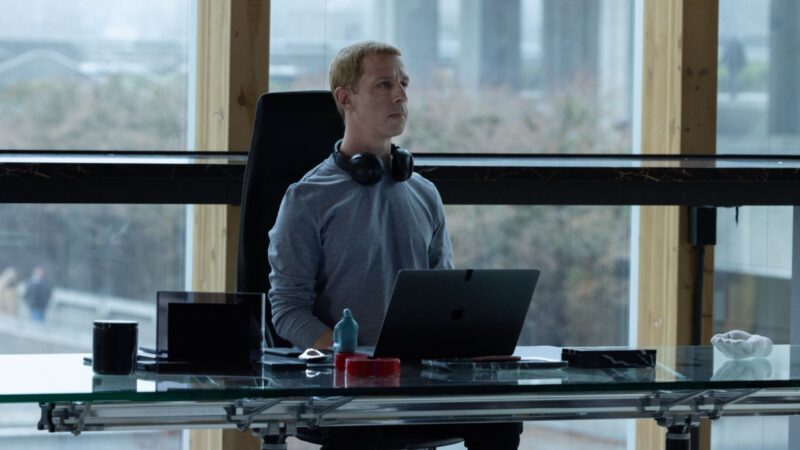
The Social Reckoning: W sieci konsekwencji
Opowieść o losach młodej inżynierki Facebooka, która we współpracy z reportem z „Wall Street Journal” – stara się ujawnić skryte tajemnice portalu społeczności...