Dzieciątko z Macon
Francja, Holandia, Niemcy, Wielka Brytania
122’
W repertuarze

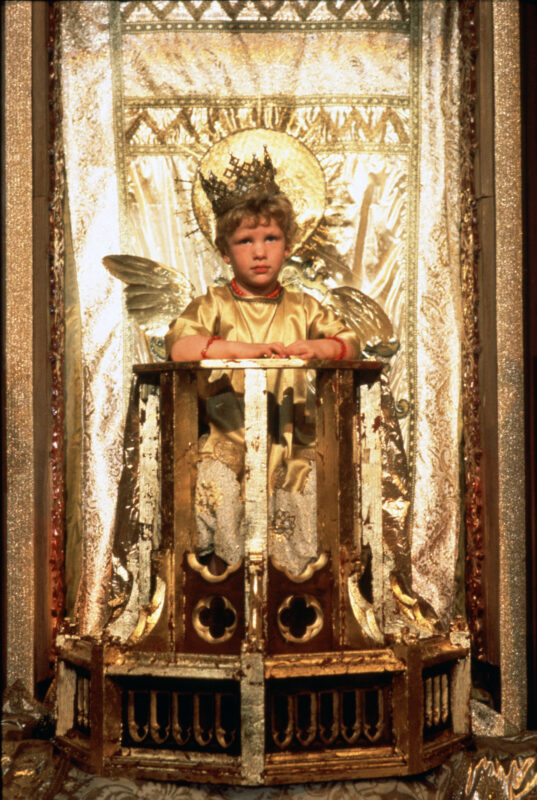
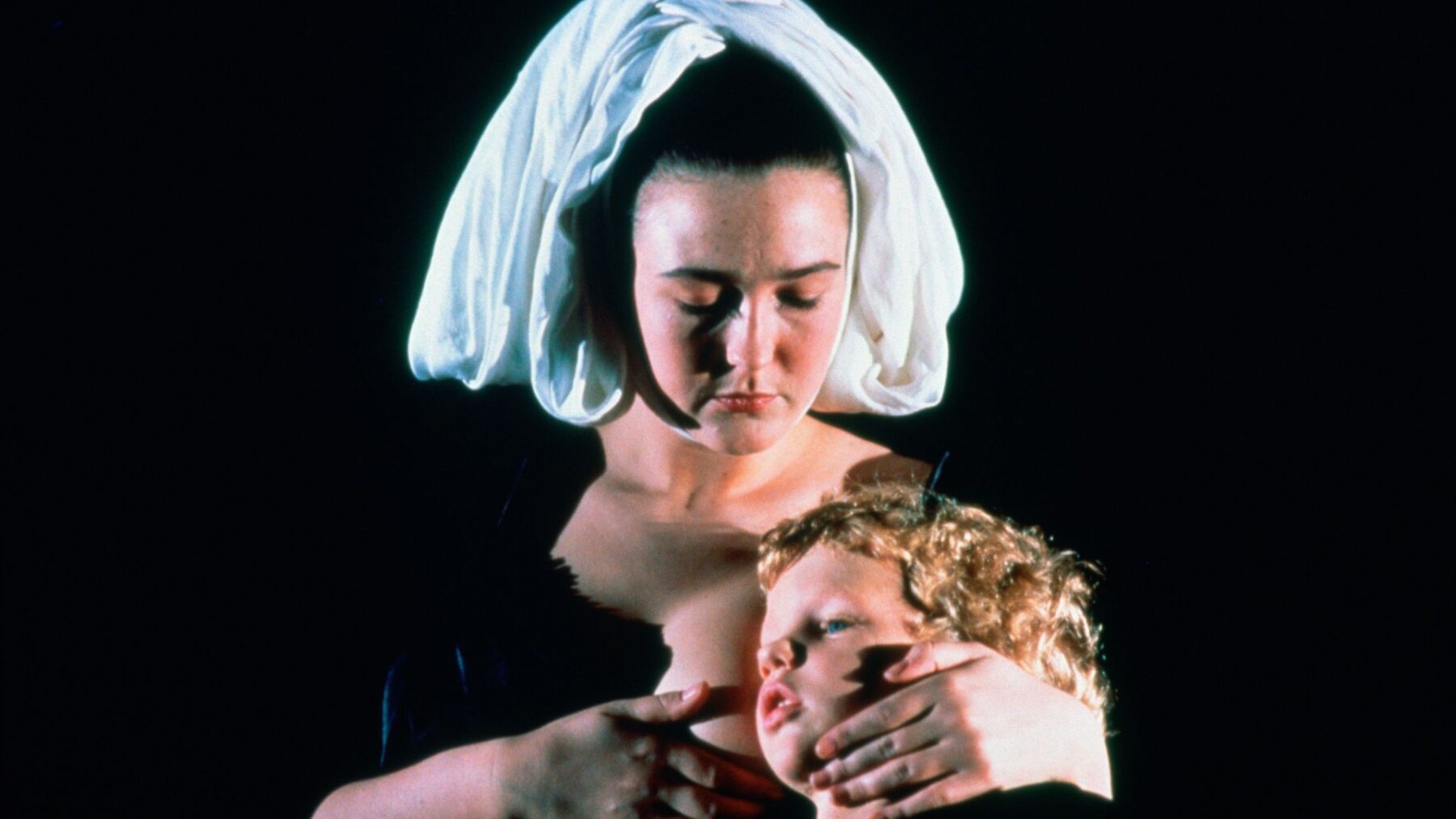
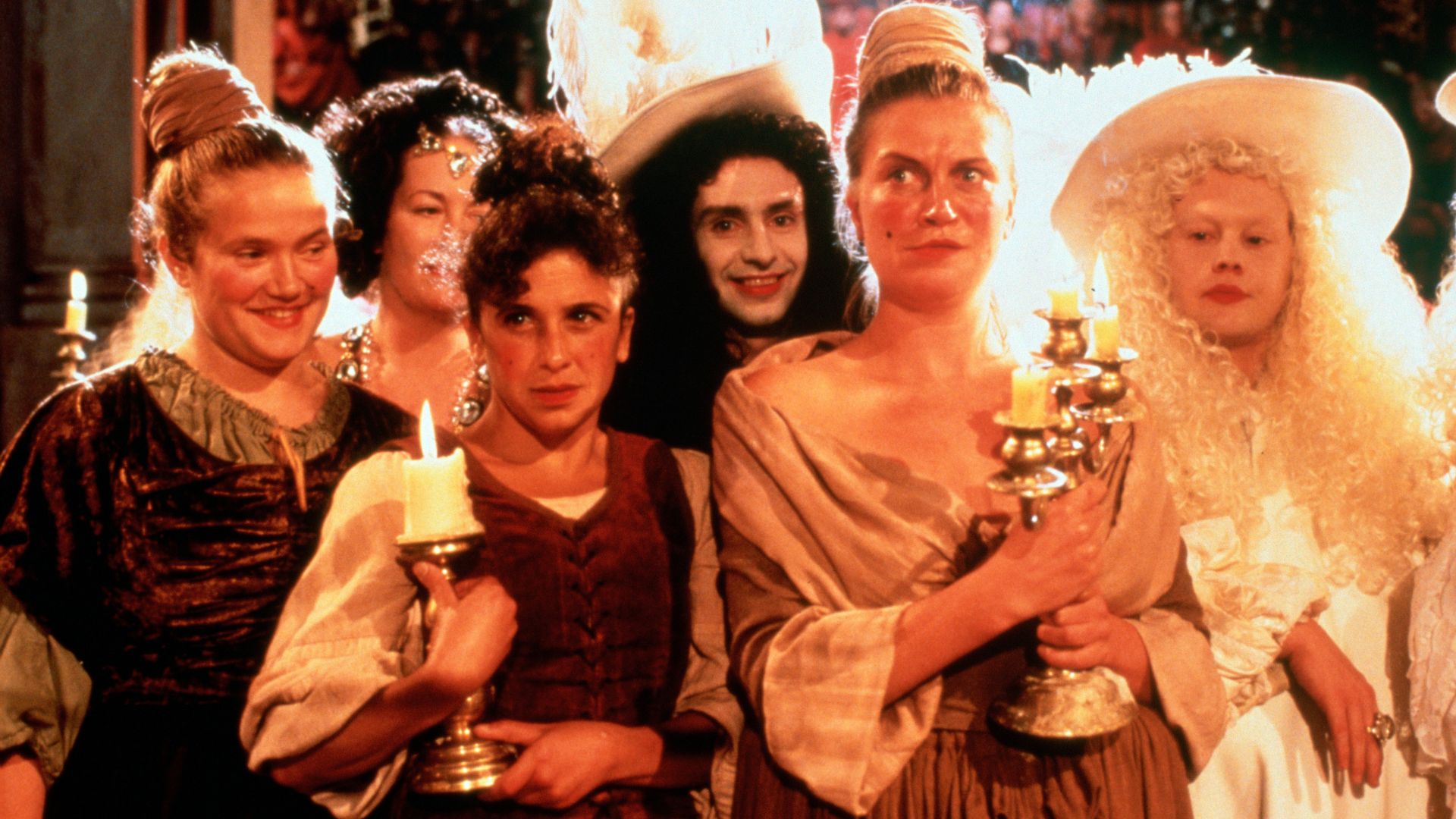
Miasto Mâcon jest bezpłodne. Od lat nie rodzą się tu dzieci, pola nie dają plonów, a mieszkańcy tracą nadzieję, że kiedykolwiek uda im się pozbyć klątwy nieurodzaju. Wszystko zmienia się, kiedy na świat przychodzi piękny, zdrowy chłopiec. Do opowieści o lokalnym cudzie nie pasuje jednak biologiczna matka dziecka, która – wedle opinii decydentów na dworze Medyceuszy – jest za stara i za brzydka, by wpisać się w historię o boskiej interwencji. Zostaje więc ukryta przed ludem i zastąpiona jej dorosłą córką, która przekonuje wszystkich, że jest dziewicą i matką cudownego dzieciątka. Od tej chwili dziecko staje się najcenniejszym towarem w mieście. Kto ma do niego dostęp, ten ma władzę – a o tę walczą ojciec, samozwańcza Madonna, Kościół i dwór. Błogosławieństwo zostaje wycenione, a cud – wyprodukowany i sprzedany jak każdy inny produkt.
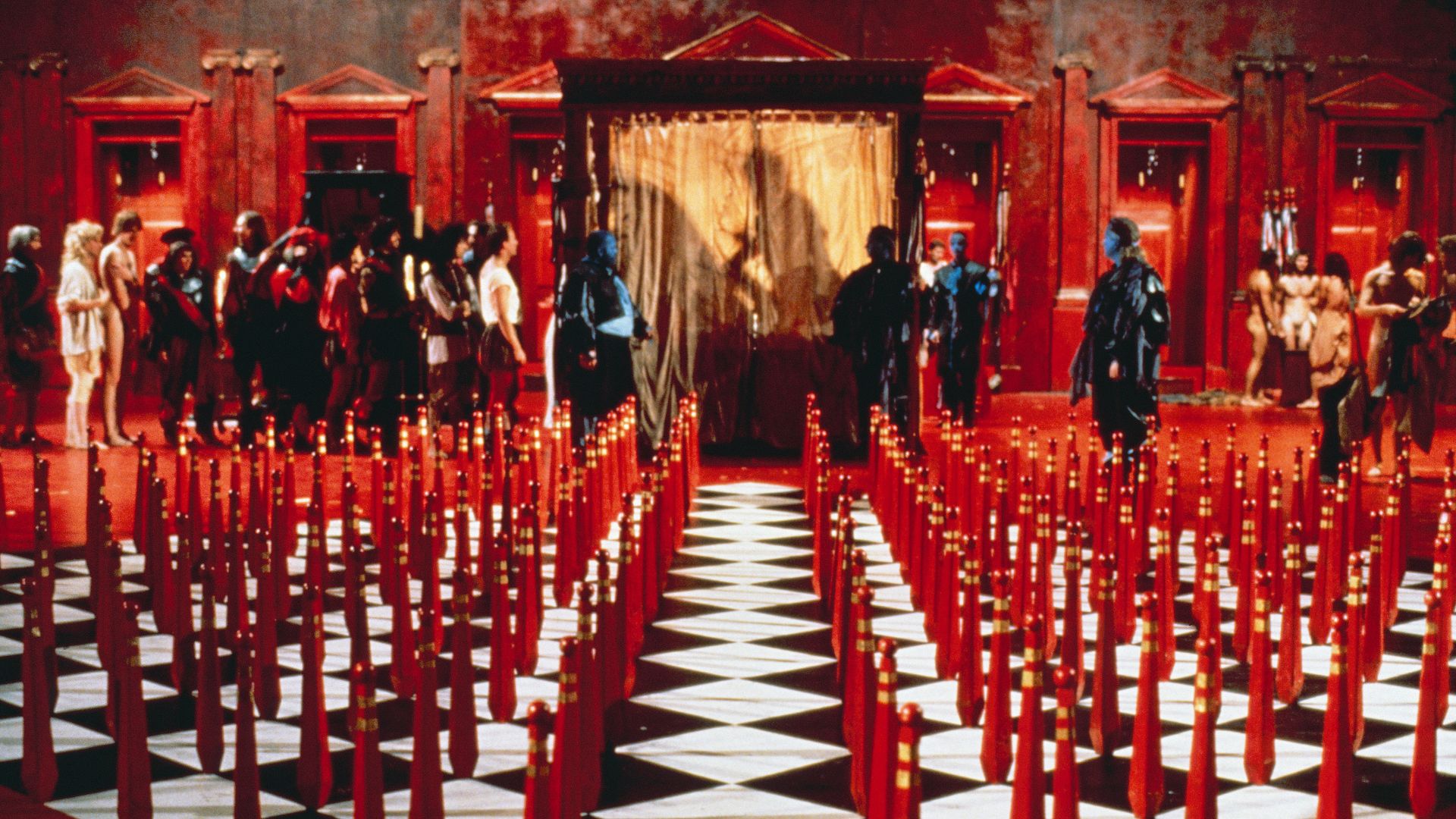
Greenaway nie oszczędza nikogo – ani możnych, ani duchownych, ani bezmyślnego tłumu. Szkatułkowa akcja rozgrywa się jako przedstawienie teatralne w XVII wieku, które fabularna publiczność ogląda jednocześnie z widzem kinowym. DZIECIĄTKO Z MÂCON to film olśniewający feerią barw, wystawnością kostiumów i kadrami jak z barokowych płócien, a zarazem nie stroniący od przedstawień zbrodni podłych i barbarzyńskich.
Po premierze w Cannes w 1993 roku film wywołał burzę i do dziś pozostaje jednym z najbardziej kontrowersyjnych dzieł Greenawaya – bezlitosnym portretem elit, dla których wiara jest spektaklem oraz krytyką chciwości, która nie zna podziałów klasowych.
EN
The city of Mâcon is barren. No children have been born there for years; the fields yield nothing, and its inhabitants are losing hope that the curse of sterility will ever be lifted. Everything changes with the birth of a beautiful, healthy boy. Yet the child’s biological mother does not fit the story of a local miracle. In the eyes of those in power at the Medici court, she is too old and too unattractive to belong in a tale of divine intervention. She is hidden from the public and replaced by her grown-up daughter, who convinces everyone that she is a virgin and the mother of the miraculous child.
From that moment on, the boy becomes the most valuable commodity in the city. Whoever has access to it holds the power – and it is this power that the father, the self-proclaimed Madonna, the Church and the court are all fighting for. Blessings are given a price, while the miracle itself is manufactured and sold like any other product.
Greenaway spares no one: neither the powerful nor the clergy nor the mindless crowd. The story unfolds as a play within a play, performed in the 17th century for an on-screen audience who watch alongside us. THE BABY OF MÂCON dazzles with saturated colour, sumptuous costumes and compositions that resemble Baroque paintings, while never shying away from acts of cruelty, degradation and violence.
When it premiered at Cannes in 1993, the film caused an uproar and remains one of Greenaway’s most controversial works. It is a merciless portrait of elites for whom faith becomes spectacle, and a critique of greed that cuts across every social class.
Kadry
Jeszcze dziś
 18:15
SALA 1
Otwiera się w nowym oknie - Bilety24
NAZA
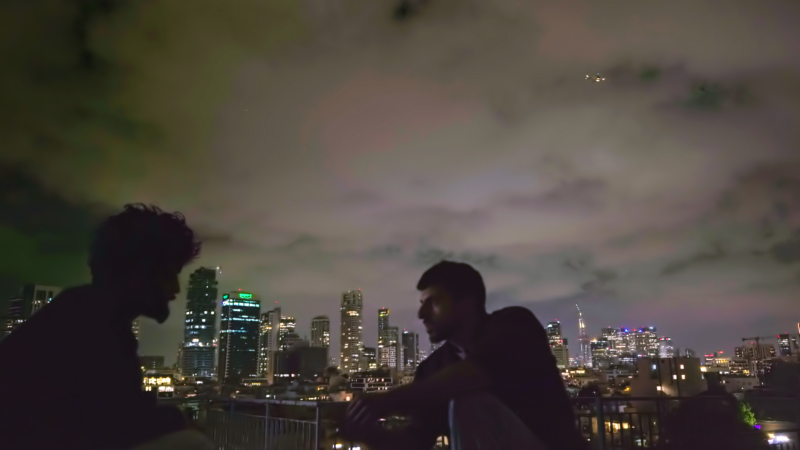
Nocą, na dachach Tel Awiwu, z dala od oficjalnych komunikatów i kamer, byli i obecni członkowie izraelskich struktur wojskowych opowiadają o systemach, które współtworzyli.
 18:45
SALA 1
Otwiera się w nowym oknie - Bilety24
Klara i słońce
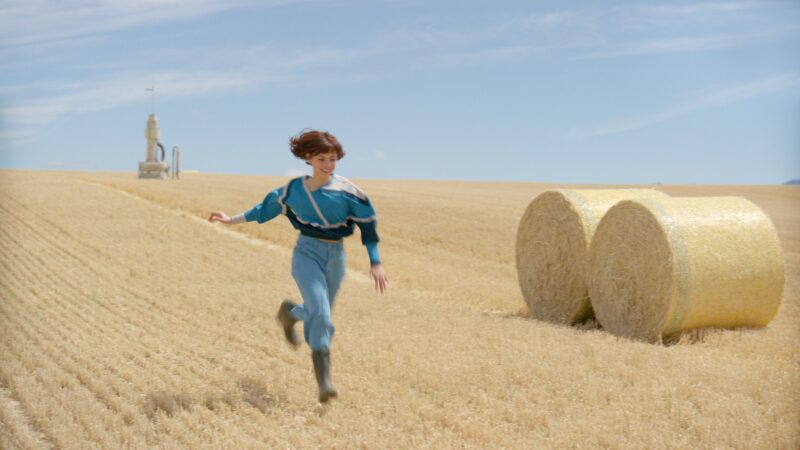
Historia Klary, robota zasilanego energią słoneczną, stworzonego po to, by wspierać i towarzyszyć ludziom w ich codziennym życiu.
 19:00
SALA 1
Otwiera się w nowym oknie - Bilety24
Czas, który nie nadszedł
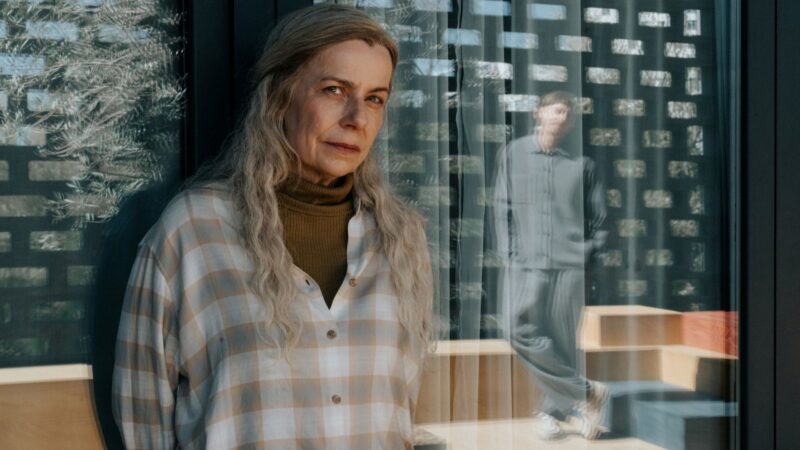
Przyszłość jest teraz i nie ma w niej miejsca na starość, brzydotę i autentyczność. Pasujesz tu?
 20:00
SALA 1
Otwiera się w nowym oknie - Bilety24
Anatomia upadku
Mistrzowski thriller, w którym poszukiwanie odpowiedzi na pytanie czy zabiła? ogląda się jak pełną napięcia intrygę rodem z Zaginionej dziewczyny Davida Finchera.
 21:00
SALA 1
Otwiera się w nowym oknie - Bilety24
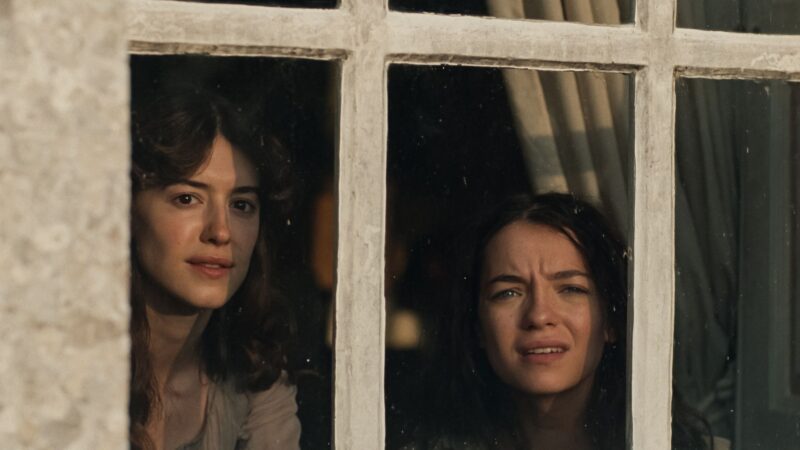
Rozważna i romantyczna
Akcja, osadzona w Anglii epoki georgiańskiej, podąża za losami zamożnego pana Dashwooda, który umiera, pozostawiając swoją drugą żonę oraz trzy córki w trudnej sytuacji finansow...
 21:00
SALA 1
Otwiera się w nowym oknie - Bilety24
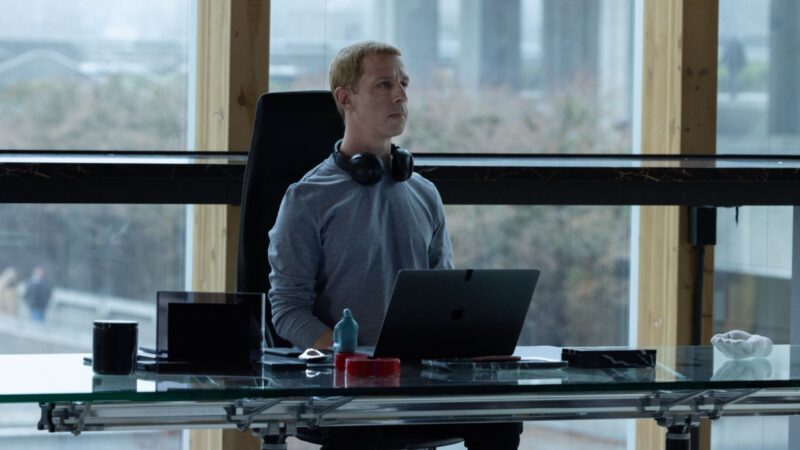
The Social Reckoning: W sieci konsekwencji
Opowieść o losach młodej inżynierki Facebooka, która we współpracy z reportem z „Wall Street Journal” – stara się ujawnić skryte tajemnice portalu społeczności...