Mangrove
Wielka Brytania
127’
W repertuarze


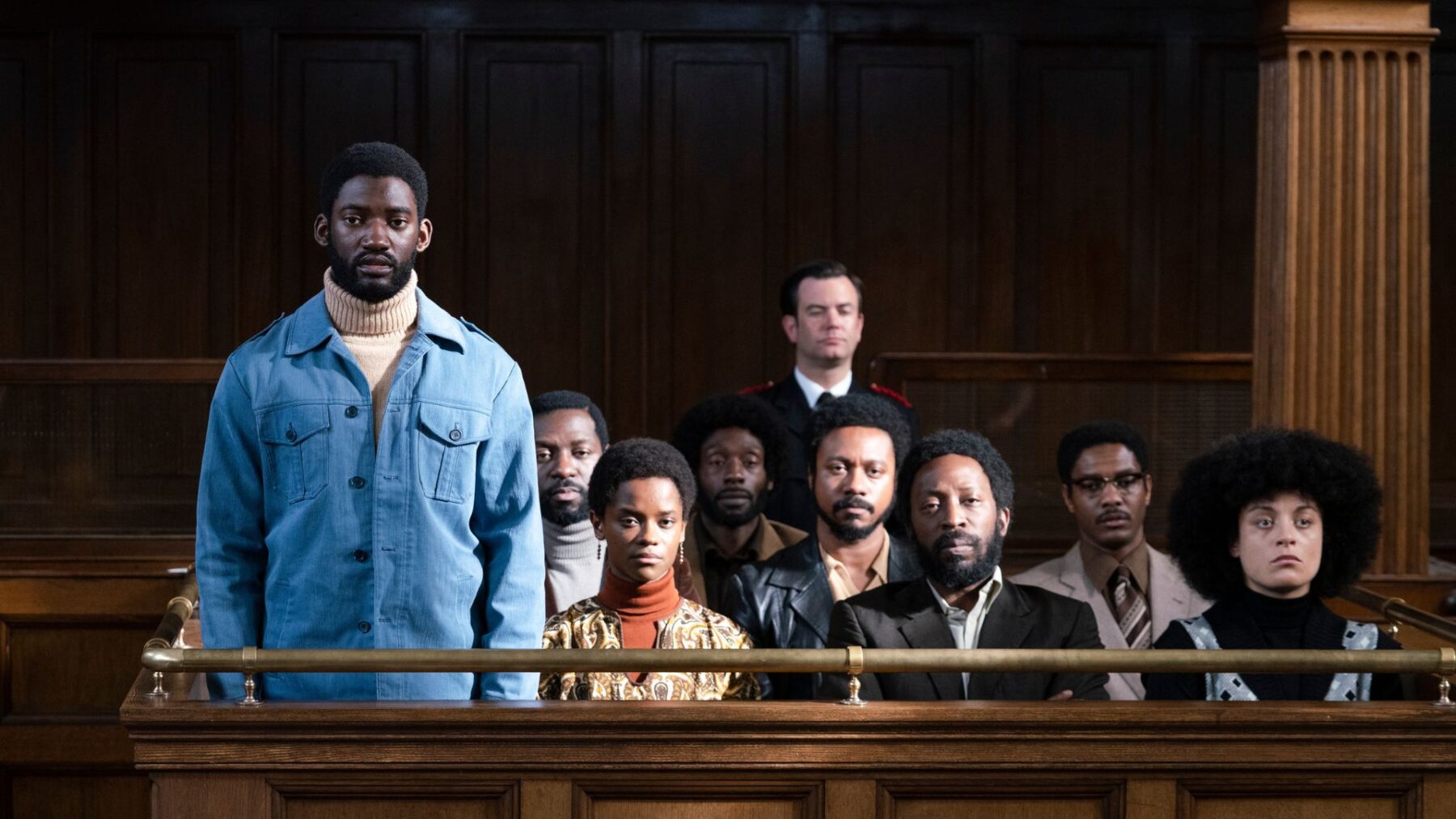
W 2020 roku Steve McQueen zrealizował projekt MAŁY TOPÓR – pięcioczęściową antologię filmów opowiadających o doświadczeniu i życiu imigrantów (i ich dzieci) z Indii Zachodnich w Wielkiej Brytanii lat 70. i 80. XX wieku. MANGROVE to pierwsza część tego szczególnego serialu. McQueen, wykorzystując konwencję dramatu sądowego, opowiada historię prawdziwego procesu tzw. dziewiątki z Mangrove z 1970 roku.
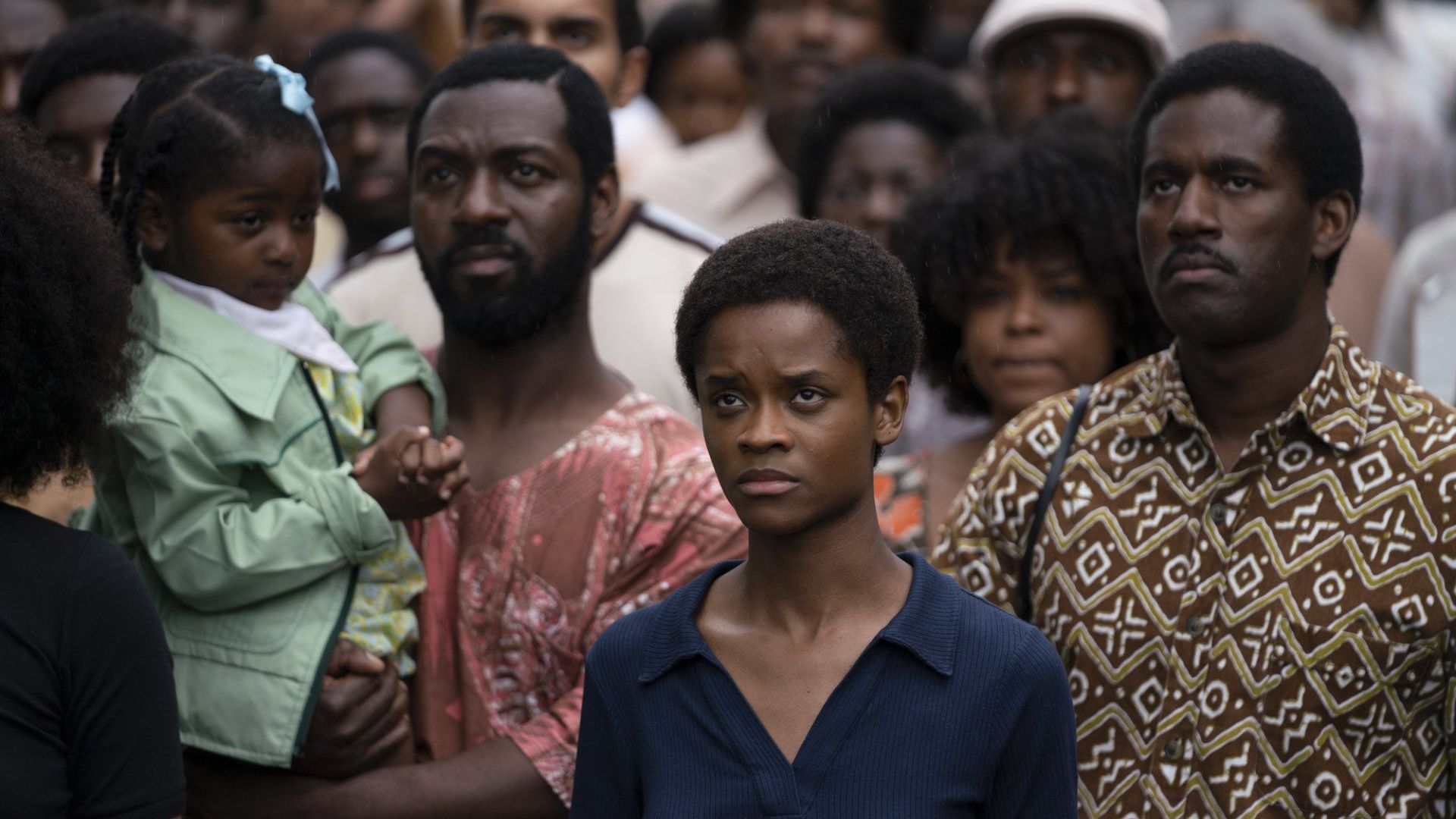
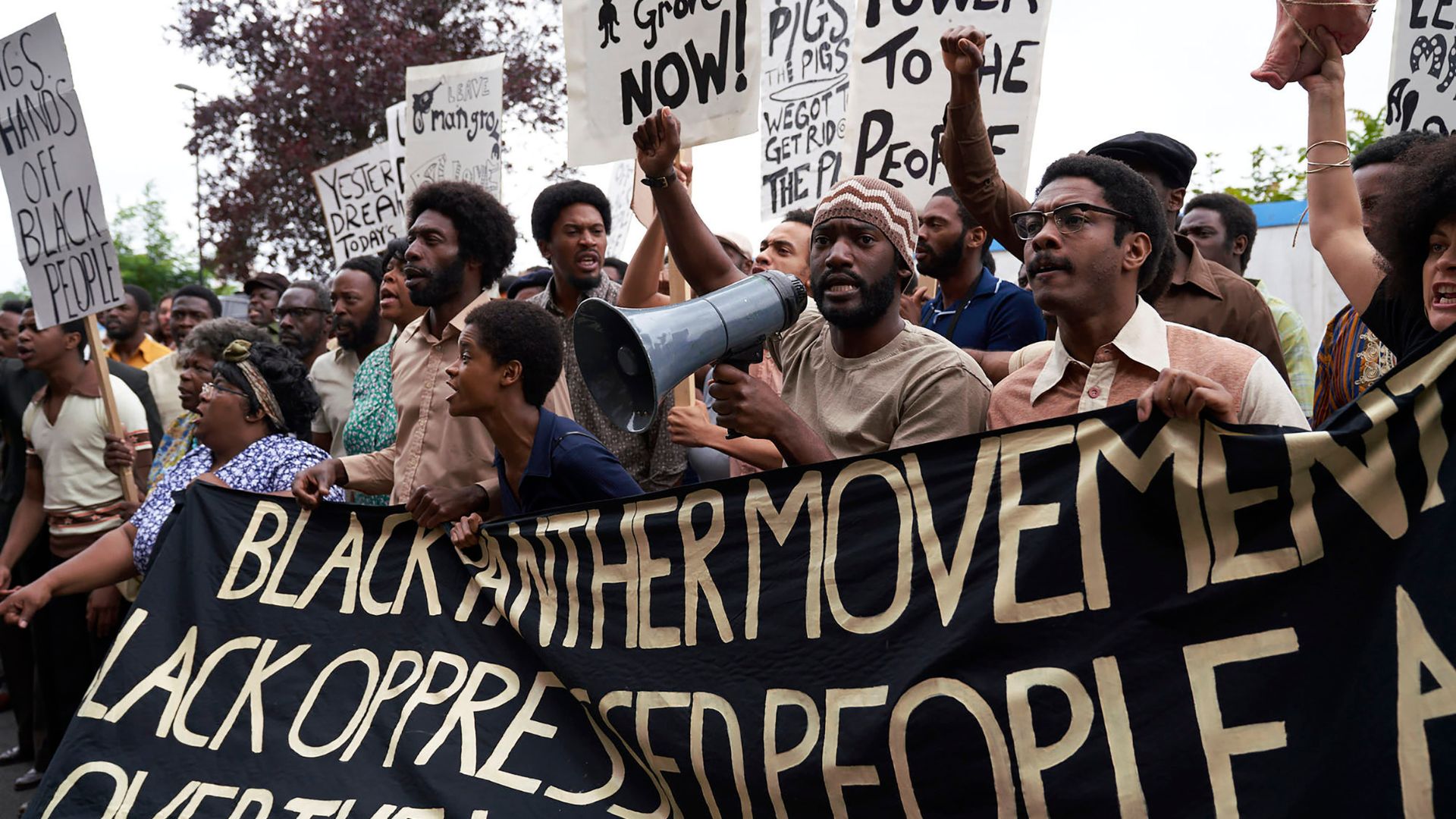
Mangrove to nazwa restauracji, którą Frank Crichlow, imigrant z Trynidadu, otworzył na Notting Hill pod koniec lat 60., kiedy okolica ta była jeszcze naturalnym środowiskiem przybyszy z Karaibów. Lokal natychmiast stał się sercem miejscowej społeczności, a to nie spodobało się białej policji. Puszczona w ruch spirala systemowego rasizmu i przemocy doprowadziła do protestów, a ostatecznie do procesu, w którym oskarżonymi są obrońcy Mangrove i Czarnej wspólnoty. Konwencja gatunku pozwala McQueenowi rozłożyć na części pierwsze mechanizm uprzedzeń i przemocy na kolejnych poziomach władzy, a jednocześnie podkreślić moc samostanowienia oraz zdolność do obrony własnych racji po stronie oskarżonych i aktywistów. Czarni obywatele nie dają się tu sprowadzić do ofiar, umiejętnie i z pasją walczą o sprawiedliwość.
W 1973 roku Bob Marley nagrał piosenkę SMALL AXE; jeden z jej wersów – Jeśli ty jesteś wielkim drzewem, ja jestem małym toporem – stanowi rodzaj motta dla antologii Steve’a McQueena. Historia dziewiątki z Mangrove jest jednym z uderzeń toporkiem w wielkie drzewo systemowego rasizmu.
EN
In 2020, Steve McQueen created SMALL AXE, a five-film anthology exploring the lives and experiences of West Indian immigrants and their children in Britain during the 1970s and 1980s. MANGROVE is the first instalment in this distinctive series. Drawing on the conventions of the courtroom drama, McQueen tells the true story of the 1970 trial of the so-called Mangrove Nine.
The Mangrove was a restaurant opened in Notting Hill by Trinidadian immigrant Frank Crichlow in the late 1960s, when the area was still home to a large Caribbean community. It quickly became the heart of local life – something the largely white police force took exception to. A spiral of systemic racism and police violence led first to protest and eventually to a trial in which those defending the Mangrove and the Black community found themselves in the dock.
The conventions of the genre allow McQueen to dissect the mechanisms of prejudice and violence at successive levels of power, and highlight the power of self-determination and the ability to defend one’s own cause on the part of the accused and activists. Black citizens are not reduced to the role of victims here; they fight skilfully and passionately for justice.
In 1973, Bob Marley recorded the song SMALL AXE. One of its lines – If you are the big tree, we are the small axe – serves as a kind of motto for McQueen’s anthology. The story of the Mangrove Nine becomes one such blow of the axe against the great tree of systemic racism.
Kadry
Jeszcze dziś
 18:15
SALA 1
Otwiera się w nowym oknie - Bilety24
NAZA
Nocą, na dachach Tel Awiwu, z dala od oficjalnych komunikatów i kamer, byli i obecni członkowie izraelskich struktur wojskowych opowiadają o systemach, które współtworzyli.
 18:45
SALA 1
Otwiera się w nowym oknie - Bilety24
Klara i słońce
Historia Klary, robota zasilanego energią słoneczną, stworzonego po to, by wspierać i towarzyszyć ludziom w ich codziennym życiu.
 19:00
SALA 1
Otwiera się w nowym oknie - Bilety24
Czas, który nie nadszedł
Przyszłość jest teraz i nie ma w niej miejsca na starość, brzydotę i autentyczność. Pasujesz tu?
 20:00
SALA 1
Otwiera się w nowym oknie - Bilety24
Anatomia upadku
Mistrzowski thriller, w którym poszukiwanie odpowiedzi na pytanie czy zabiła? ogląda się jak pełną napięcia intrygę rodem z Zaginionej dziewczyny Davida Finchera.
 21:00
SALA 1
Otwiera się w nowym oknie - Bilety24
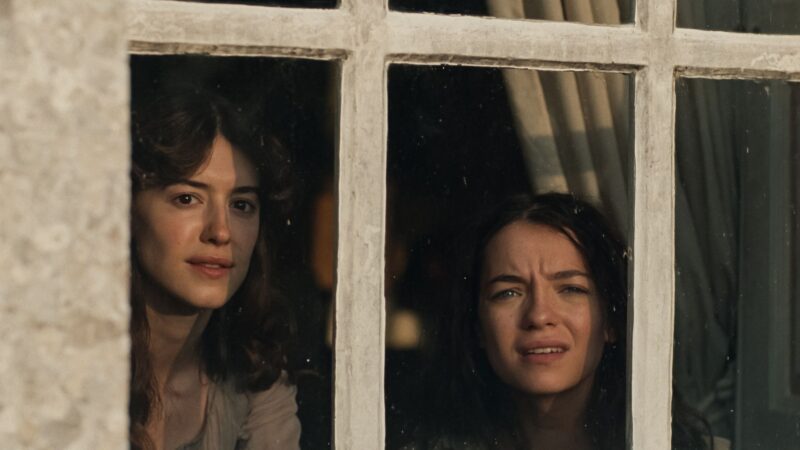
Rozważna i romantyczna
Akcja, osadzona w Anglii epoki georgiańskiej, podąża za losami zamożnego pana Dashwooda, który umiera, pozostawiając swoją drugą żonę oraz trzy córki w trudnej sytuacji finansow...
 21:00
SALA 1
Otwiera się w nowym oknie - Bilety24
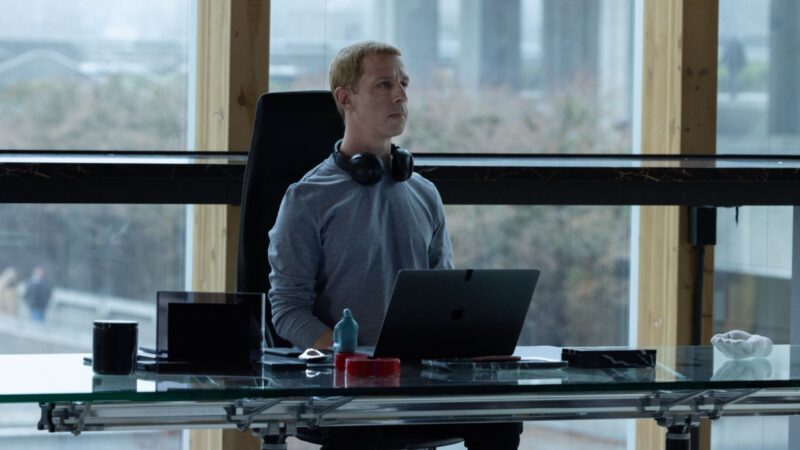
The Social Reckoning: W sieci konsekwencji
Opowieść o losach młodej inżynierki Facebooka, która we współpracy z reportem z „Wall Street Journal” – stara się ujawnić skryte tajemnice portalu społeczności...
